

Stop running to the bathroom at night. Doctors are urging a switch in magnesium supplements for better sleep. The popular choice, magnesium citrate, acts as a laxative, disrupting rest. Instead, magnesium glycinate stands out for its sleep-friendly profile. This magnesium glycinate vs citrate debate highlights a simple fix amid rising supplement use. Dated February 16, 2026, medical experts stress the difference to end sleepless nights.
Magnesium Citrate’s Laxative Effect Exposed
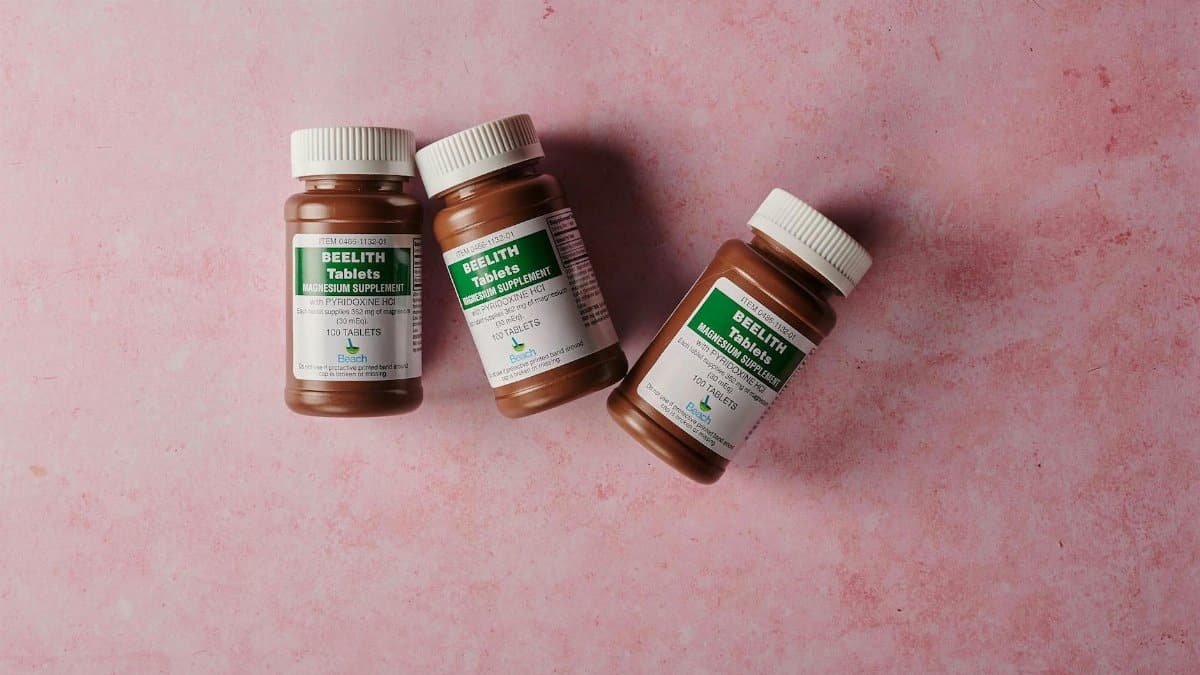
Magnesium citrate draws crowds for its affordability and availability. But doctors warn of its downside. It pulls water into the intestines, speeding digestion. That means frequent bathroom trips, especially at night. Users chasing relaxation end up wide awake. The result? Interrupted sleep cycles. This common supplement, often grabbed off shelves, backfires for bedtime use. Health professionals note its popularity stems from digestive aid claims, not rest.
Why Glycinate Wins for Sleep

Turn to magnesium glycinate for calm without the chaos. Bound to glycine, an amino acid, it absorbs efficiently. Doctors explain it supports nervous system relaxation. No laxative action here. It promotes steady sleep without midnight disruptions. This form targets rest directly, sidestepping citrate’s pitfalls. Experts position it as the go-to for those prioritizing overnight recovery.
Doctors Sound the Alarm

Medical voices are clear. “For sleep, you need magnesium glycinate,” they say. Citrate’s laxative properties keep users up. This guidance cuts through supplement hype. Physicians see patients frustrated by poor rest despite magnesium intake. The fix? Swap forms. Their advice aligns with basic physiology: choose absorption over evacuation. U.S. trends show more seeking sleep aids in 2026, making this distinction urgent.
The Nighttime Bathroom Trap

Picture endless trips disrupting deep sleep stages. Magnesium citrate triggers this cycle. Its osmotic effect swells the bowels, demanding release. Night owls become reluctant sprinters. Doctors link this to fragmented rest, daytime fatigue. Citrate shines for constipation relief, not slumber. Users report tossing and turning, unaware of the cause. Breaking free starts with understanding this dynamic.
Popularity of Citrate Misleads Users

Magnesium citrate dominates store aisles. Marketed for general wellness, it draws millions. Yet its laxative core clashes with sleep goals. Doctors highlight the mismatch. Glycinate flies under the radar but delivers where it counts. In 2026, as sleep complaints rise, this gap widens. Shoppers stock citrate for magnesium boosts, ignoring form matters. Awareness shifts could redefine routines.
Glycinate’s Absorption Advantage

Glycinate crosses into cells smoothly. Less waste, more benefit. Citrate, while bioavailable, prioritizes gut motility. Doctors favor glycinate for brain and muscle calm. It avoids the digestive uproar. Studies back magnesium’s sleep role, with forms dictating outcomes. For details, see the NIH Magnesium Fact Sheet, which outlines supplement variations and effects.
Real Impacts on Daily Life

Poor sleep from citrate ripples outward. Fatigue hits productivity. Mood dips. Doctors connect dots: laxative interruptions steal recovery hours. Glycinate users report steadier nights. No dashes to the restroom. This magnesium glycinate vs citrate choice influences energy levels. In busy U.S. lives, rest quality drives performance. Medical advice empowers better decisions.
Expert-Backed Switch Strategies

Start by checking labels. Ditch citrate for bedtime. Opt for glycinate doses suited to needs. Doctors recommend consulting pros for personalization. Timing matters—take earlier evenings. Track changes in sleep logs. This pivot ends the cycle. Resources like the Mayo Clinic Magnesium Overview detail forms and uses, supporting doctor insights.
U.S. Sleep Trends in 2026

Supplement sales surge as Americans battle insomnia. Magnesium tops lists, but wrong picks persist. Citrate’s allure fades under scrutiny. Glycinate gains traction via word-of-mouth and expert nods. Doctors predict broader adoption. This shift promises fewer disrupted nights. Public health pushes informed choices amid wellness booms.
Key Takeaway from Medical Pros
The message is straightforward: citrate for bowels, glycinate for beds. Doctors drive home the contrast. No more trading rest for relief. Embrace the right magnesium glycinate vs citrate matchup. Sleep improves. Days brighten. This 2026 alert redefines supplement smarts.