
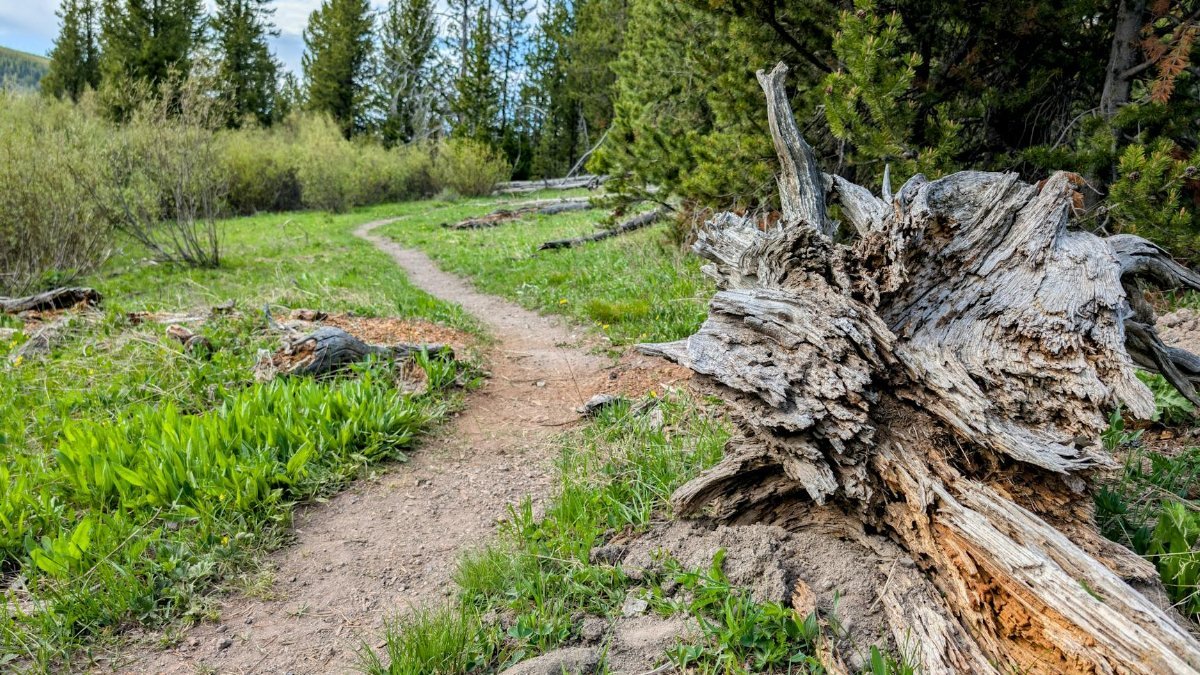
As summer draws near, a subtle but meaningful shift is underway in one of the nation’s most iconic natural sanctuaries. The completion of targeted yellowstone trail upgrades at Yellowstone National Park arrives at a pivotal moment when record numbers of visitors seek both adventure and renewal in its vast wilderness. Park managers have invested years of planning and resources to reinforce heavily used routes, install thoughtful erosion controls, and widen key segments without diminishing the raw character that makes the landscape so compelling. These changes reflect a growing understanding that preserving public access and ecological health must go hand in hand.
For many middle aged Americans, Yellowstone has long served as a place of perspective. Families return with adult children, couples celebrate milestones, and solo travelers come in search of quiet clarity. The newly improved trails promise safer footing, clearer wayfinding, and more opportunities to experience the park’s geothermal wonders and abundant wildlife at a pace that encourages reflection rather than haste. What emerges is not merely an infrastructure project but a careful recalibration of how humans move through a place that continues to inspire awe and reverence.
The Pressures of Record Visitation

Visitor numbers at Yellowstone have climbed steadily for more than a decade. Last year exceeded four million people, placing unprecedented strain on both frontcountry and backcountry routes. Soil compaction, widening ruts, and damaged vegetation became common sights along once pristine corridors. Rangers reported more incidents of visitors stepping off designated paths in search of firmer ground or better views, accelerating harm to delicate thermal features and sensitive meadows.
Park officials realized that simply adding more rangers or issuing warnings would not suffice. A comprehensive strategy was required. The resulting yellowstone trail upgrades focus on the most impacted areas, particularly around Old Faithful, the Grand Prismatic Spring boardwalks, and popular hiking trails in the Canyon and Lake districts. Data from trail counters and environmental monitoring guided every decision, ensuring resources were directed where they would produce the greatest benefit.
Details of the Trail Improvements

Crews replaced sections of worn tread with crushed gravel and native stone designed to shed water and resist erosion. New boardwalks now elevate hikers above fragile geothermal crust in several locations, reducing the risk of collapse while protecting underlying microbial mats. Improved signage incorporates universal design principles, making routes easier to follow for visitors of all abilities and ages.
Switchbacks were lengthened in steep terrain to create more gradual climbs that lessen both physical strain and downhill runoff. Rest platforms with simple benches now appear at thoughtful intervals, offering places to pause and absorb surroundings rather than pushing forward in fatigue. All materials were chosen for durability and visual compatibility with the surrounding landscape so the infrastructure recedes rather than competes for attention.
Protecting Fragile Ecosystems

Conservation biologists played a central role in the planning process. Their research showed that certain meadow systems could tolerate only limited additional foot traffic before native plant communities began to fail. By hardening select routes and strategically closing social trails, managers hope to concentrate use where it causes the least damage while allowing sensitive zones to recover.
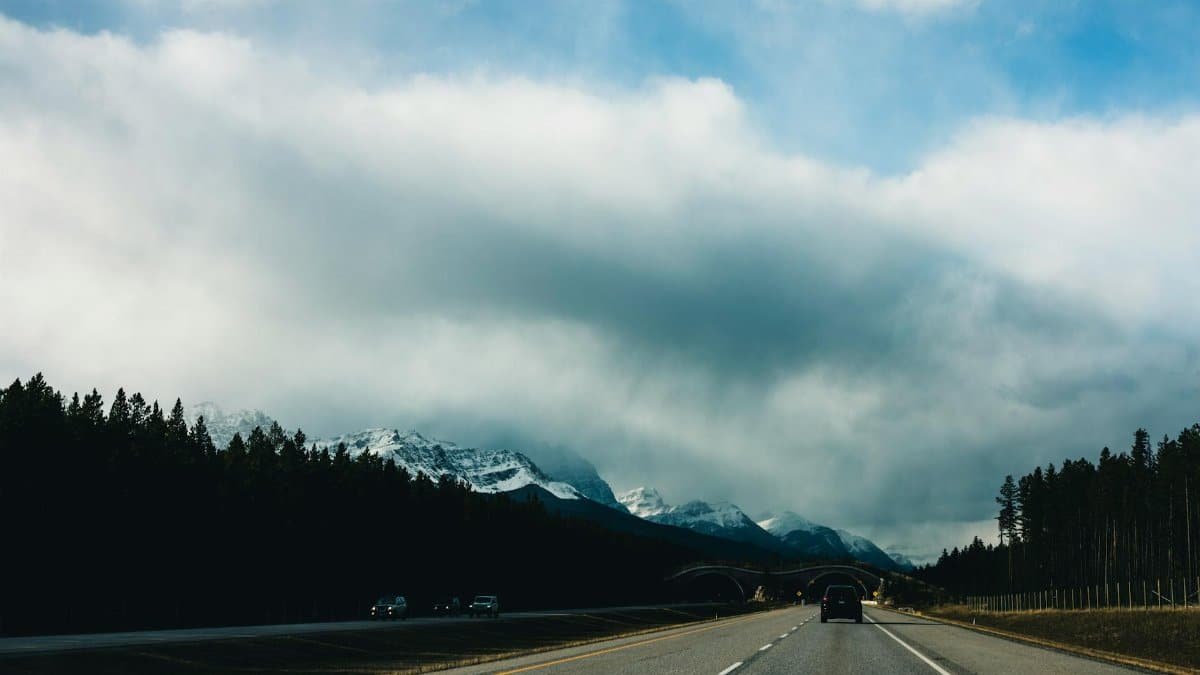
Wildlife corridors received particular attention. Elevated crossings and carefully placed fencing now guide both people and animals toward safer interactions. Early monitoring suggests that bison and elk have already begun using traditional pathways with less disruption from clusters of hikers. The project demonstrates that thoughtful engineering can support human presence while maintaining the ecological rhythms that have defined the park for millennia.
Making the Park Accessible for All
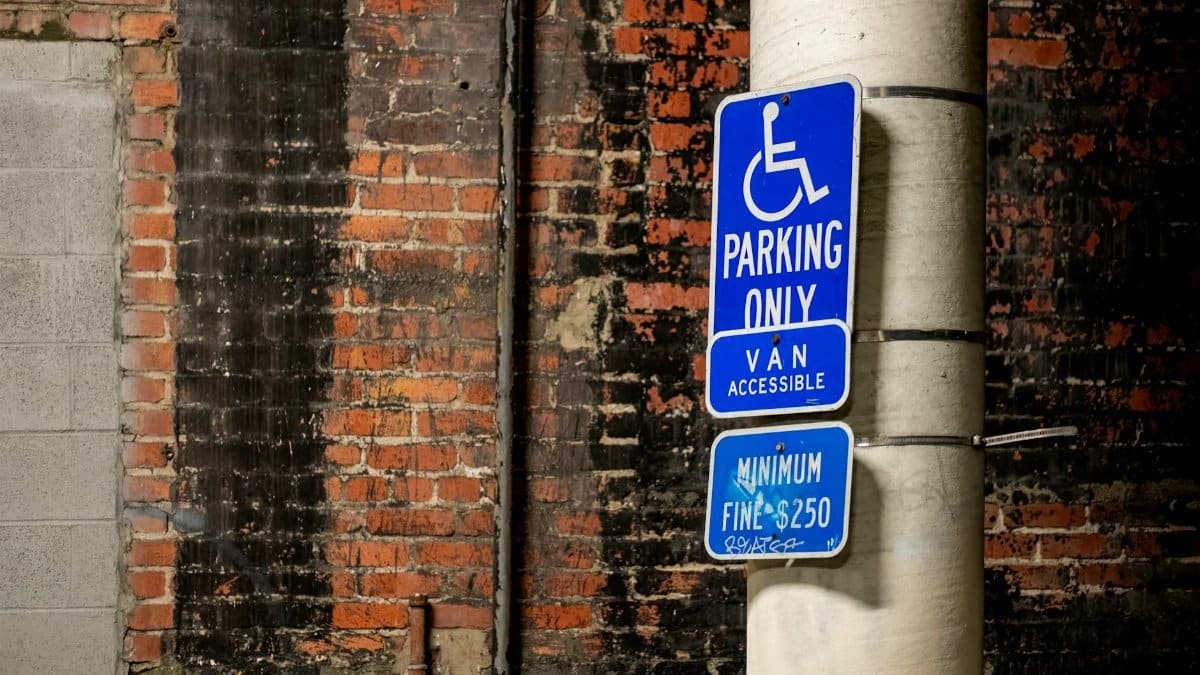
One of the more encouraging aspects of the yellowstone trail upgrades is their attention to inclusive design. Several popular overlooks now feature gentle ramps and smooth surfaces that welcome wheelchair users and those with mobility challenges. Audio description stations at key viewpoints offer interpretive information for visually impaired visitors. These additions expand the circle of people who can experience the park’s wonders firsthand.
Park Superintendent Elena Ramirez noted that accessibility is no longer an afterthought but a core principle. She believes that every American should have a reasonable opportunity to stand before a thundering waterfall or watch steam rise from ancient springs regardless of physical ability. The improvements reflect a maturing vision of national parks as truly public resources.
The Spiritual Pull of Yellowstones Landscapes

Beyond recreation, Yellowstone has always held spiritual significance for many who walk its trails. The park’s otherworldly geothermal features, vast silences, and sudden encounters with wildlife create conditions that invite contemplation. In an era when many middle aged adults report feeling disconnected from both nature and themselves, these landscapes offer a form of restoration that transcends simple leisure.
Improved trails now make it easier to reach quieter corners where visitors can sit undisturbed. Early morning light on the Madison River or the hush that follows a thunderstorm near Mount Washburn can foster moments of genuine presence. Rangers report that many guests describe their time on the trails in almost sacred terms, speaking of feeling small yet connected to something ancient and enduring. The upgrades help facilitate these encounters by reducing physical barriers that once prevented deeper engagement.
Voices from Rangers and Conservationists

Those who work in the park daily express cautious optimism. Senior ranger Marcus Whitetail, a member of the Shoshone Bannock Tribes, has patrolled these lands for nearly three decades. He sees the upgrades as a necessary evolution that honors both indigenous knowledge of the terrain and modern demands. His hope is that visitors will move with greater respect and awareness after experiencing the more stable and clearly marked paths.
Ecologist Dr. Sarah Linden from Montana State University contributed baseline studies that shaped the project. Her team documented how trail widening in the 1990s had altered local hydrology in subtle but meaningful ways. The current approach, she says, represents a more sophisticated understanding of these systems. Links to her published findings can be found at montana.edu/ecology/yellowstone-trail-research.
What Visitors Can Expect This Summer

Travelers arriving this season will notice firmer footing and clearer direction almost immediately. Popular day hikes such as the South Rim Trail and Mystic Falls now feature consistent surfaces less prone to mud or loose rock. Interpretive exhibits at trailheads have been refreshed with updated information about safety, wildlife etiquette, and leave no trace principles.
Reservations for guided walks along newly improved segments are already filling quickly. Park staff recommend checking the official Yellowstone app for real time trail conditions and crowding information. While some construction fencing remains in a few locations, the majority of upgraded routes are fully open and ready for exploration.
Challenges That Remain
Despite the progress, significant work lies ahead. Climate change continues to alter precipitation patterns, testing the resilience of even the best designed trails. Increased visitation during shoulder seasons stretches staffing resources thin. Maintaining these improvements will require sustained funding at a time when federal budgets face competing demands.
Park officials acknowledge that infrastructure alone cannot solve every issue. Changing visitor behavior remains essential. Educational campaigns now emphasize the spiritual and ethical dimensions of spending time in wild places, encouraging people to approach the park with humility and care rather than entitlement.
Connecting With Nature in a Changing World

The yellowstone trail upgrades occur against a backdrop of rapid environmental and social transformation. As digital distractions multiply and urban environments grow more intense, the desire for authentic connection with the natural world appears to be strengthening. Yellowstone offers a powerful antidote to fragmentation and haste.
By investing in trails that can withstand contemporary pressures while protecting the park’s essential character, managers have bought precious time. They have created conditions where future generations might still find the same sense of perspective and wonder that has moved visitors for more than a century. In this way the project carries both practical and almost sacramental weight.
A Model for Other National Parks
What happens at Yellowstone rarely stays at Yellowstone. The park has long served as a testing ground for ideas that later spread throughout the national park system. The techniques refined here, from innovative trail surfacing to community informed planning processes, are already being studied by managers at Yosemite, Glacier, and Rocky Mountain National Park.
The project demonstrates that it is possible to accommodate more people without sacrificing the qualities that make these places spiritually and ecologically valuable. If successful, the yellowstone trail upgrades may help define a new standard for balancing human aspiration with natural limits in the years ahead. For now, the trails stand ready, quietly inviting those who seek both discovery and stillness to walk them with care and appreciation.