
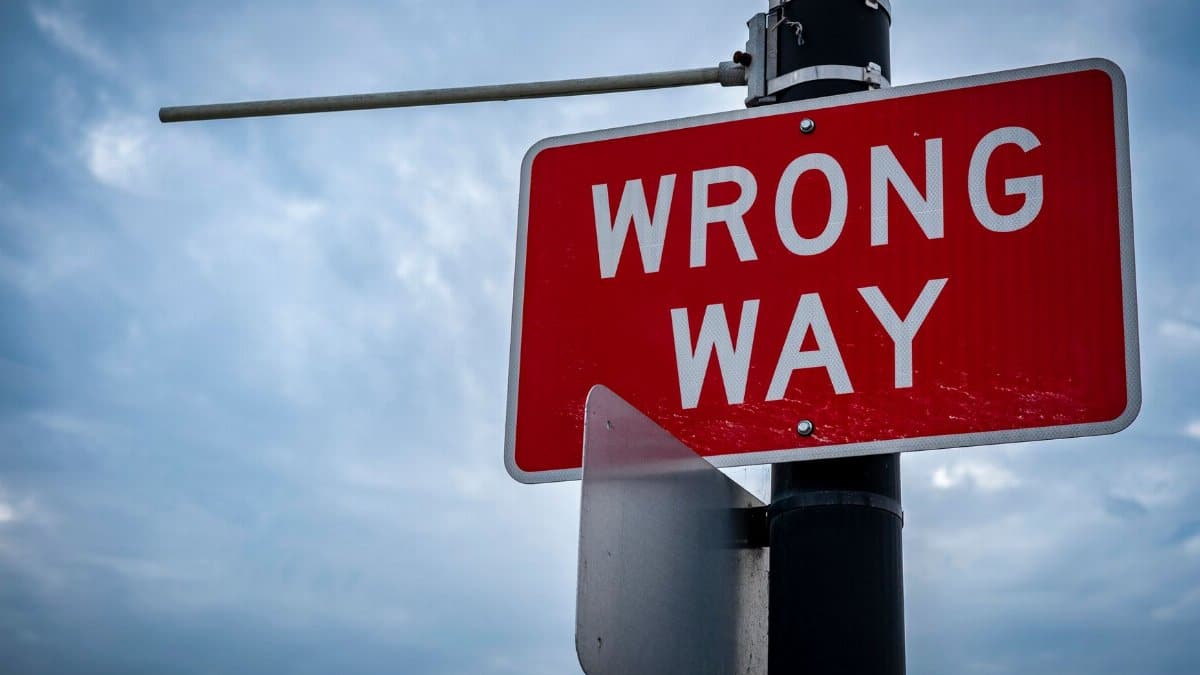
Last summer a family heading home from a Cape Cod vacation found their lives upended when an oncoming vehicle barreled toward them on an otherwise empty stretch of interstate. That collision drew fresh attention to Massachusetts Wrong Way Driving Prevention and the urgent steps officials are taking to reduce such terrifying encounters on state roads.
Recent Trends in Highway Incidents
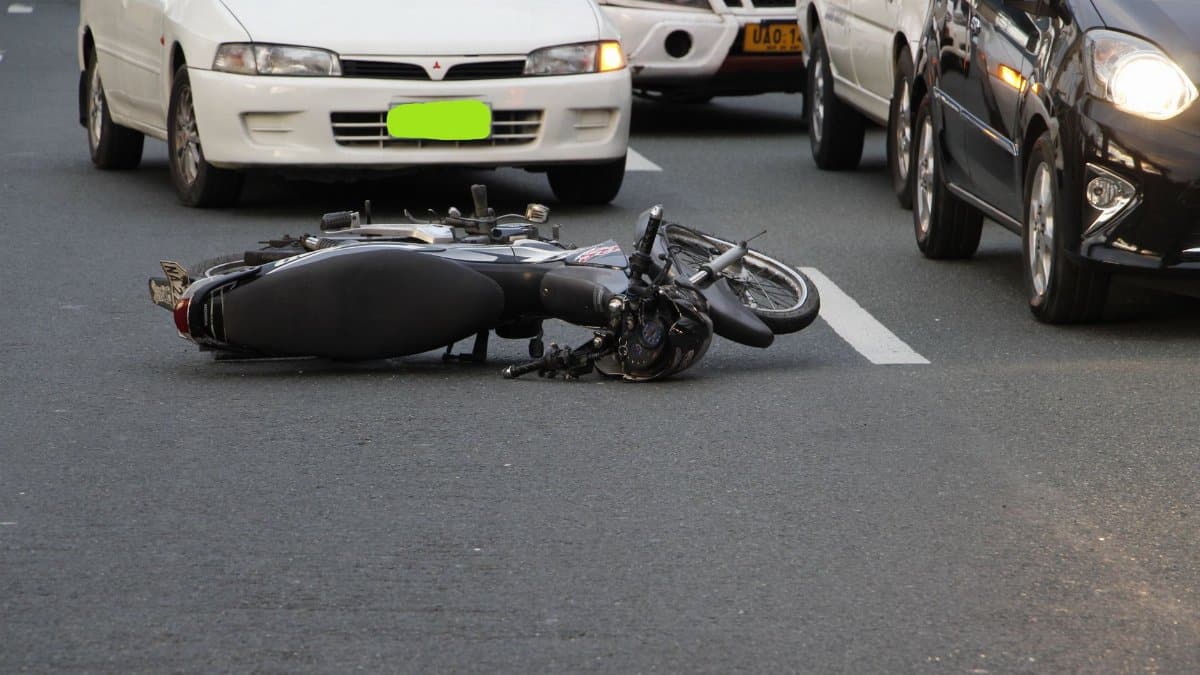
Data from state police show a steady climb in reports of vehicles traveling against traffic flow over the past decade. Officers note that many of these events occur late at night or in the early morning hours when fewer drivers are on the road to notice the mistake quickly. Communities across the commonwealth have begun to share stories of near misses that never make headlines yet leave lasting unease among regular commuters.
Role of Modern Detection Systems
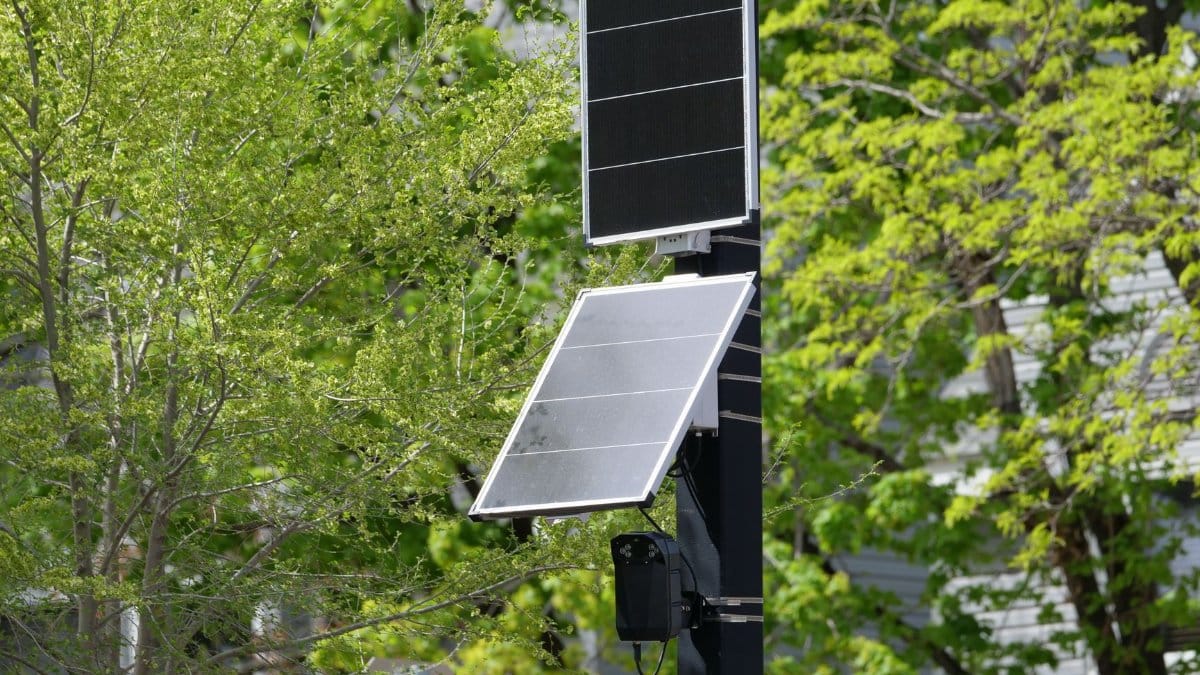
Engineers have installed cameras and sensors at key interchanges that can spot a wrong way traveler within seconds. Once triggered these devices flash bright alerts to the errant driver and send instant notices to nearby troopers. Early trials indicate faster response times that help clear the roadway before a crash develops.
Infrastructure Changes Underway
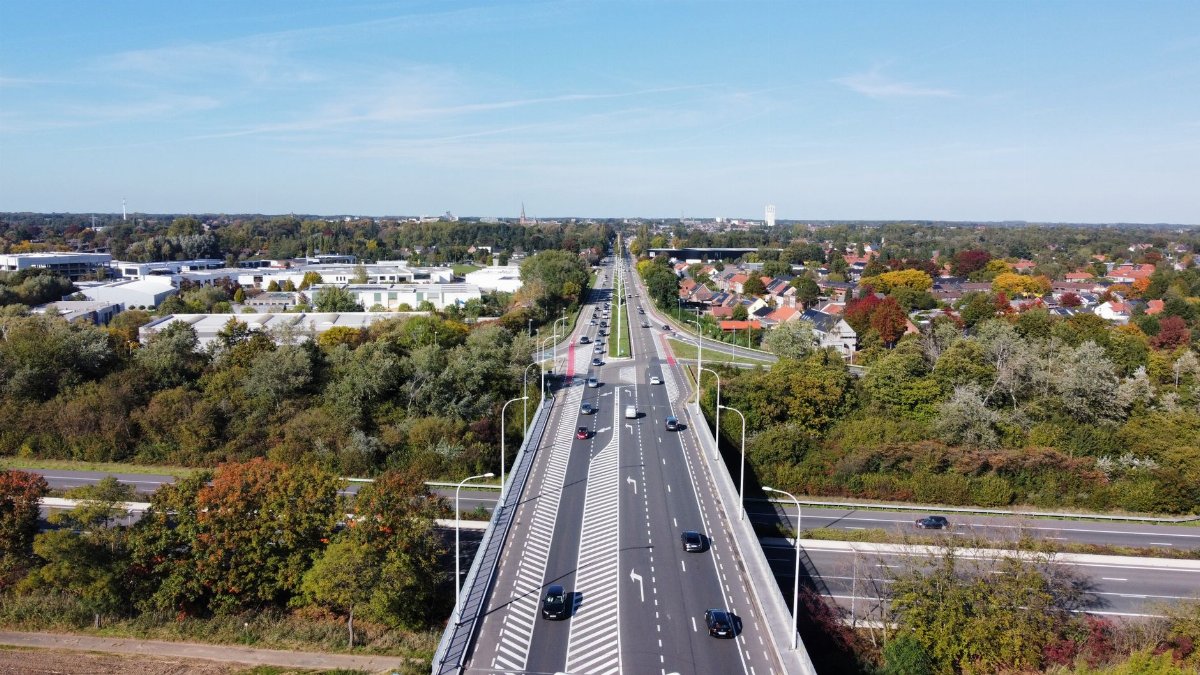
Transportation crews are adding new signs with clearer arrows and reflective paint that stands out even in poor weather. Some ramps now feature raised barriers meant to discourage an improper turn while still allowing emergency vehicles room to maneuver. These physical upgrades complement the electronic tools already in place.
Public Education Campaigns

Local groups have launched workshops and media messages aimed at older drivers who may be more prone to confusion at complex exits. Schools and senior centers host sessions that walk participants through common highway layouts using simple diagrams. The goal is to build habits that reduce the chance of an honest error turning tragic.
Partnerships With Technology Firms

State agencies work alongside private companies to test connected vehicle features that could warn motorists through dashboard displays or smartphone apps. Pilots in the greater Boston area have gathered feedback from truckers and ride share operators who travel the same corridors daily. Results so far suggest these alerts can prompt corrective action before the situation escalates.
Challenges in Rural Areas
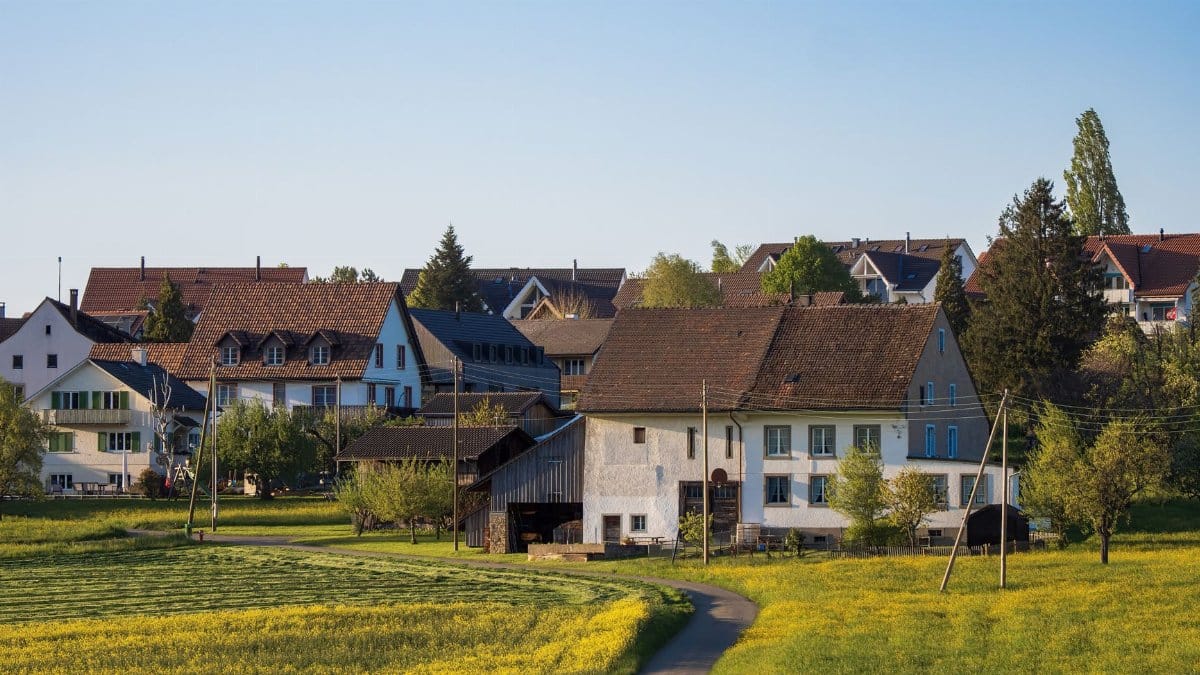
While urban highways receive much of the attention some of the most isolated stretches present unique difficulties for rapid intervention. Limited lighting and longer distances between exits mean a wrong way driver may travel farther before being redirected. Planners are studying additional lighting and mobile units that could serve these regions more effectively.
Impact on Emergency Responders
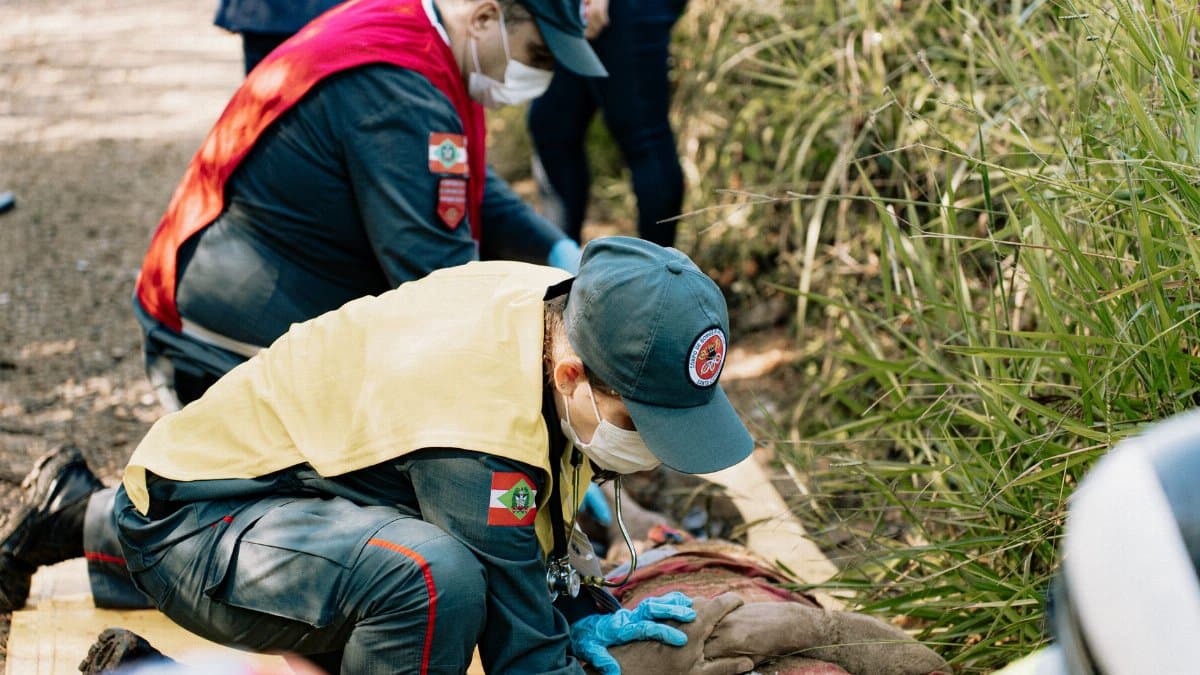
Firefighters and paramedics describe the extra caution required when heading to a scene that might involve opposing traffic. Training now includes simulations of wrong way scenarios so teams can protect themselves and bystanders. Coordination with dispatch centers has improved allowing ambulances to choose safer routes during active incidents.
Looking Ahead to Policy Adjustments
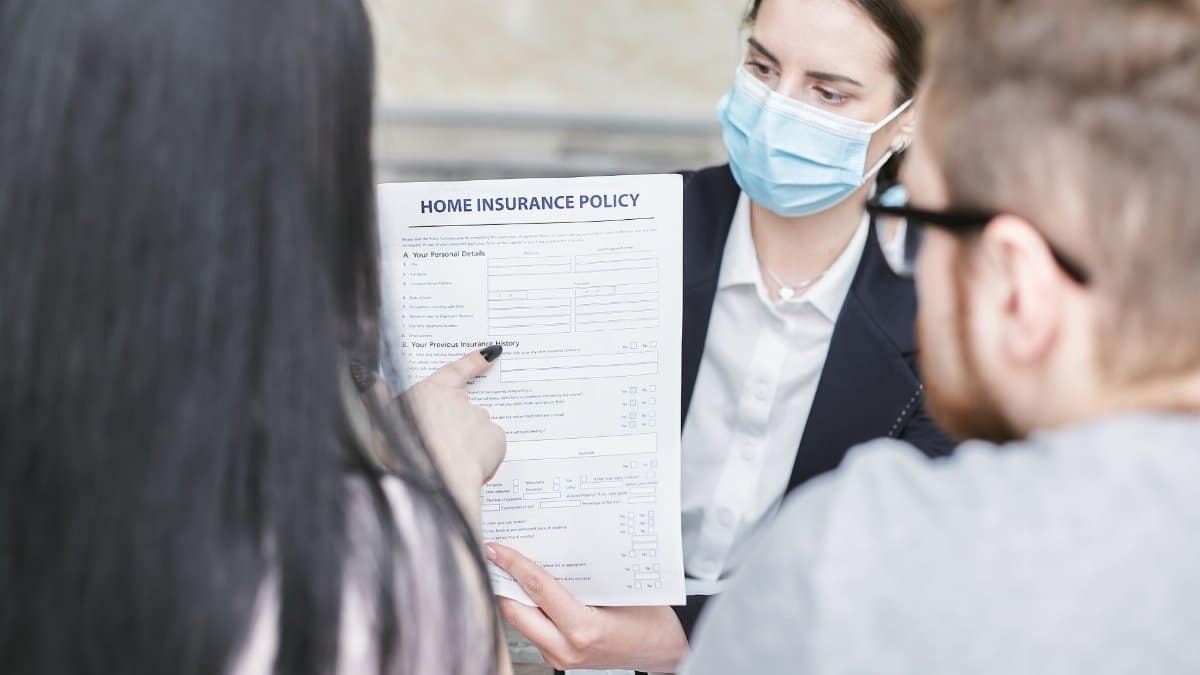
Lawmakers review proposals that would expand funding for both technology and roadway redesigns in the coming budget cycles. Advocates emphasize that sustained investment will be necessary to keep pace with rising traffic volumes projected for the next several years. Continued monitoring will determine which measures deliver the strongest results across different seasons and road types.