
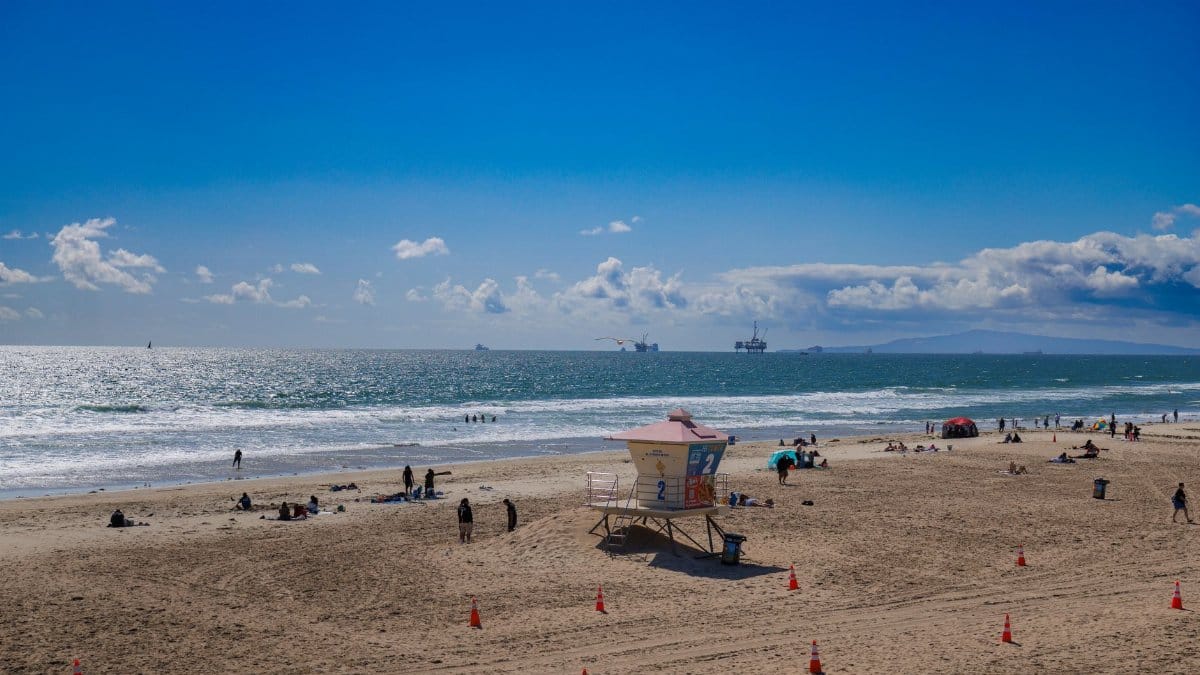
Residents across Southern California are preparing for intense conditions as a powerful SoCal heat wave reaches its height. With predictions of temperatures climbing well into triple digits in many areas, officials have issued warnings about potential health risks and elevated chances of wildfires. This event comes at a time when many families are trying to enjoy the summer months, yet the extreme warmth forces changes in daily routines. Experts suggest that such patterns may become more common in the years ahead due to broader environmental shifts. Local authorities urge everyone to stay informed through reliable weather updates and to check on neighbors who might need extra support.
Forecast Details and Timeline

Meteorologists track a high pressure system that is expected to hold steady over the region for several days. Temperatures in inland valleys could reach one hundred and ten degrees while coastal zones see readings near one hundred. The peak is anticipated in the first week of August of twenty twenty six with little relief overnight. Models show the system gradually shifting eastward by the middle of the month allowing cooler air to move in from the ocean.
Health Concerns for Vulnerable Groups

Medical professionals highlight risks for older adults and those with chronic conditions during prolonged heat. Hospitals report more visits for dehydration and heat exhaustion as the mercury rises. Public health messages stress the importance of drinking water regularly and avoiding outdoor activity in the hottest parts of the day. Cooling centers open in libraries and community halls to offer a safe place for anyone without air conditioning at home.
Increased Fire Dangers in Dry Areas
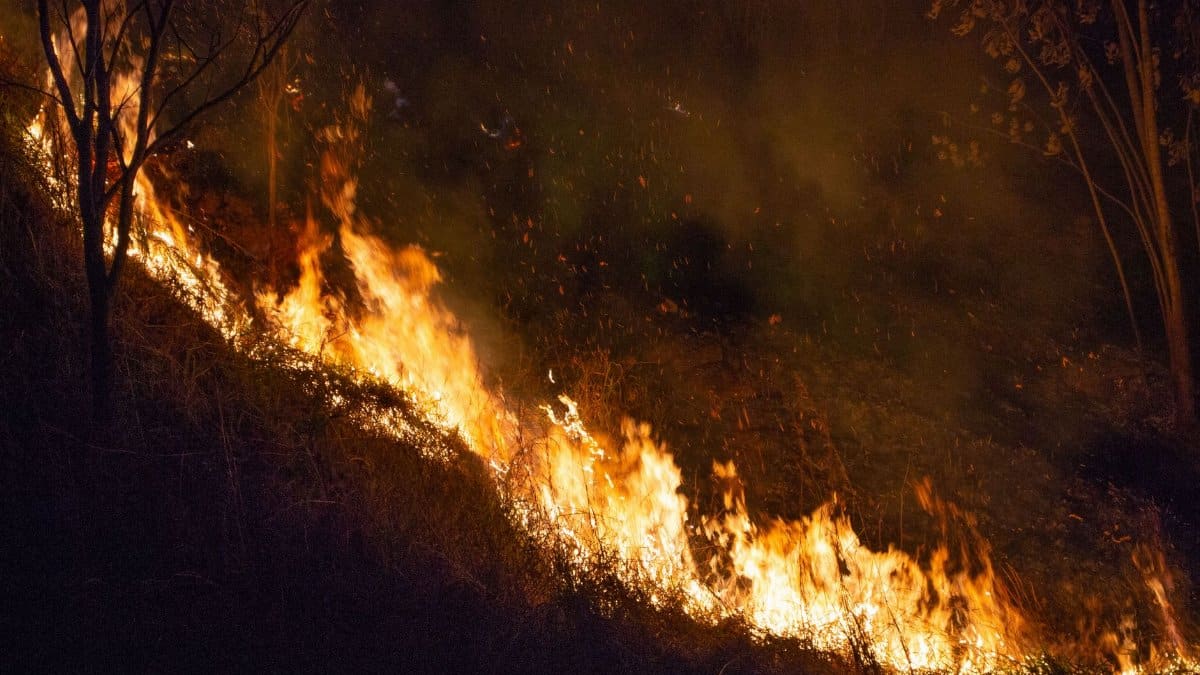
Dry vegetation combined with strong winds creates conditions ripe for rapid fire spread. Fire departments place additional crews on standby and remind residents to clear brush from around homes. Past events show that even a single spark can grow into a large blaze under these circumstances. Officials monitor remote canyons where access is limited and visibility can drop quickly when smoke fills the air.
Effects on Local Agriculture and Water Use
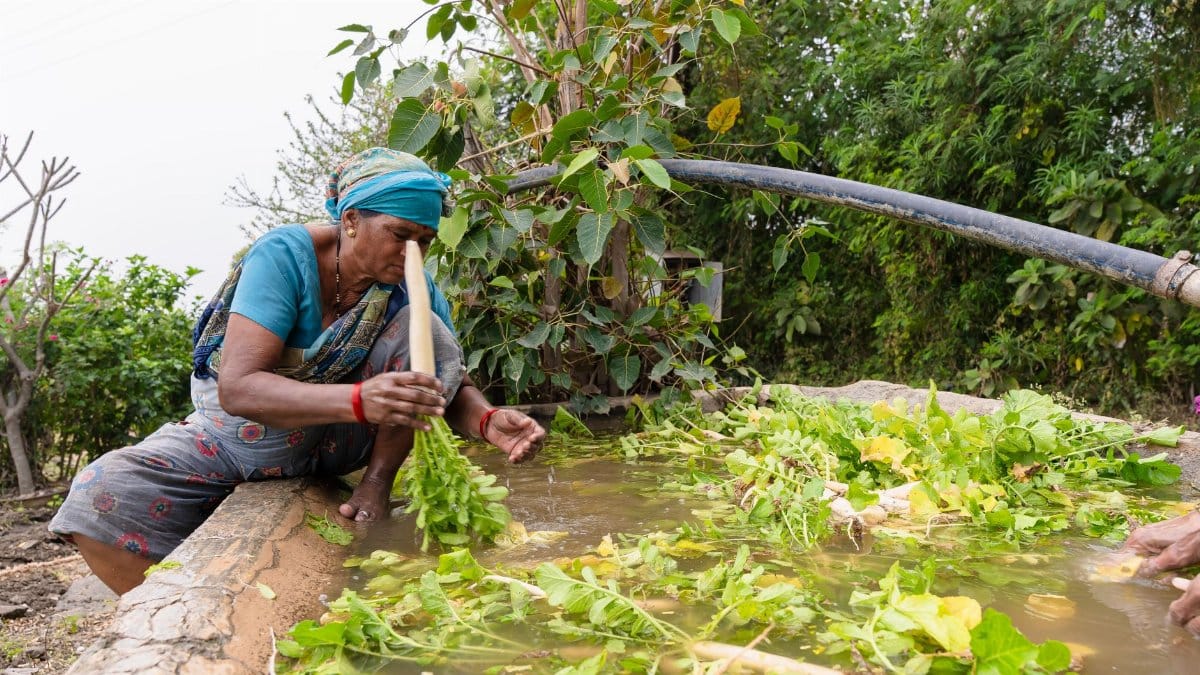
Farmers adjust irrigation schedules to protect crops from scorching daytime heat. Citrus groves and avocado orchards require extra water yet supplies remain limited after recent dry seasons. Workers start shifts earlier to finish before peak temperatures and some orchards install shade structures to reduce stress on young plants. Markets may see temporary price increases for certain produce if yields suffer.
Energy Demands and Power Grid Challenges
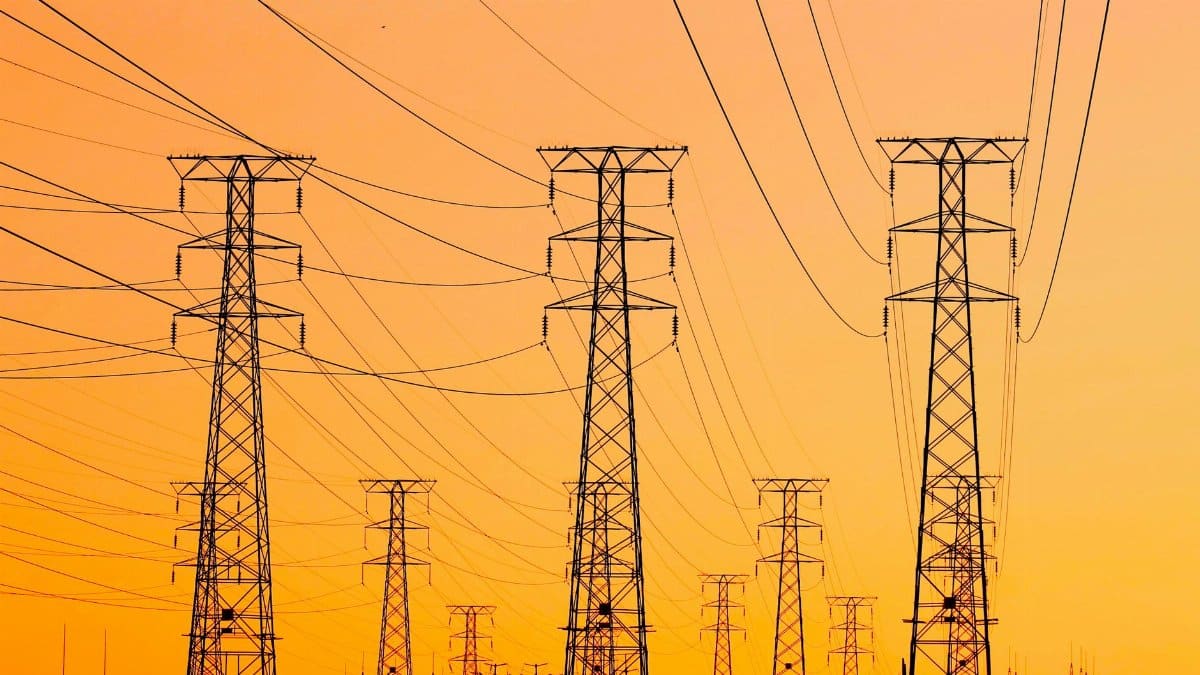
Air conditioners running around the clock push electricity use to record levels. Utility companies ask customers to conserve during afternoon hours when demand peaks. Some neighborhoods experience brief outages as transformers work harder in the heat. Planners review grid capacity and consider future upgrades to handle more frequent extreme events without interruption.
Community Responses and Cooling Centers
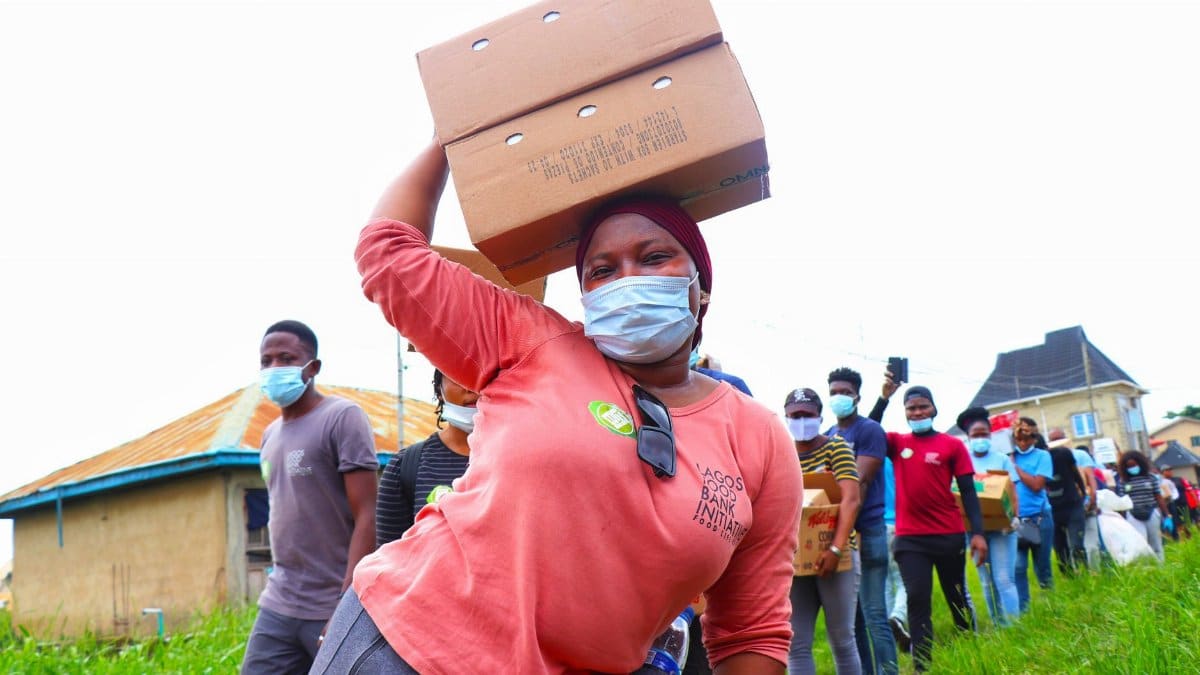
City agencies coordinate to expand hours at public pools and set up misting stations in parks. Volunteers deliver fans and bottled water to seniors living alone. Schools adjust summer programs to indoor settings and cancel outdoor sports practices. These efforts aim to reduce heat related illnesses and keep daily life as normal as possible under the circumstances.
Historical Context of Similar Events

Records show several comparable heat episodes in the past two decades each bringing similar challenges. The current situation follows patterns seen in two thousand ten and two thousand eighteen when temperatures stayed elevated for more than a week. Lessons from those times helped shape current alert systems and response plans that now activate automatically when forecasts indicate danger.
Advice for Staying Safe During Extreme Conditions
Simple steps can make a difference such as wearing light clothing and planning errands for early morning. Pet owners should limit walks to shaded areas and provide plenty of fresh water. Drivers need to watch for signs of fatigue and never leave children or animals in parked vehicles. Checking local news each morning helps families adjust plans as conditions evolve.