

As the calendar turns to March 3, 2026, World Wildlife Day casts a urgent spotlight on the planet’s fading biodiversity, with conservationists sounding alarms over species vanishing at an unprecedented rate. One million animal and plant species now face extinction, many within decades, according to the Intergovernmental Science-Policy Platform on Biodiversity and Ecosystem Services. Among them, World Wildlife Day 2026 endangered icons remind us of nature’s fragility: ten critically threatened creatures whose survival hangs by a thread. From elusive jungle dwellers to ocean ghosts, these species embody the stakes in humanity’s race against habitat loss, poaching, and climate upheaval. This observance, established by the United Nations, calls for global unity to halt the hemorrhage.
Vaquita: The Ocean’s Rarest Porpoise

In the Gulf of California, the vaquita porpoise swims on the precipice. Fewer than ten individuals remain, ensnared by illegal gillnets set for totoaba fish. Conservation efforts, including a fishing ban enforced since 2021, have slowed the decline but not reversed it. Marine biologists from the International Whaling Commission report sightings dwindling to near zero in recent surveys. World Wildlife Day 2026 endangered campaigns urge Mexico to bolster patrols and fund acoustic monitoring, technologies that detect the porpoise’s high-pitched calls amid vast seas. Without swift action, the vaquita could join the baiji dolphin in oblivion by year’s end.
Javan Rhino: Java’s Solitary Survivor

Ujung Kulon National Park in Indonesia shelters the world’s last Javan rhinos, numbering around 75. Poachers covet their horns for mythical medicinal properties, while invasive arum plants choke their grasslands. The Rhino Foundation of Indonesia deploys drones and camera traps, capturing glimpses of mothers with calves, a hopeful sign amid patrols that removed over 30 invasives last year. Yet, a single volcanic eruption or disease outbreak could wipe them out. On World Wildlife Day 2026, advocates push for expanded protected corridors linking habitats, emphasizing the rhino’s role as an ecosystem engineer dispersing seeds across forests.
Amur Leopard: Siberia’s Ghost Cat
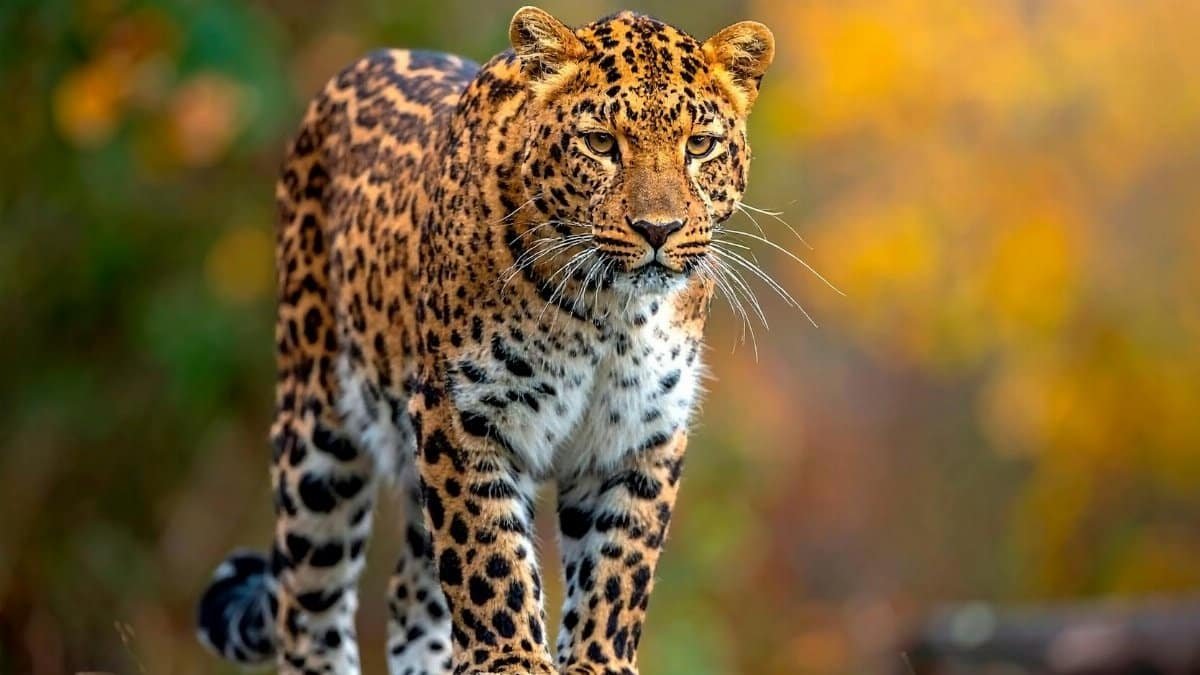
Prowling the Russian Far East’s temperate forests, the Amur leopard clings to existence with just 100 wild individuals. Snow leopards share the spotlight, but this spotted feline endures freezing winters and retaliatory killings from herders protecting livestock. WWF-Russia’s reintroduction program has bolstered numbers from 30 in 2007, breeding captives for release. Camera traps reveal cubs thriving in Lazovsky Nature Reserve. World Wildlife Day 2026 endangered initiatives highlight prey restoration, like boosting sika deer populations, to sustain these apex predators whose spotted coats blend seamlessly with snowy underbrush.
Saola: The Elusive Asian Unicorn

Nicknamed the Asian unicorn, the saola evades detection in Vietnam and Laos’ Annamite Mountains. No live specimens exist in captivity; fewer than 100 roam free, felled by snares for the illegal wildlife trade. WWF expeditions confirm their presence through horn casts and feces, but habitat fragmentation from logging isolates herds. World Wildlife Day 2026 spotlights ranger networks trained to dismantle traps, a grassroots effort yielding thousands removed annually. This antelope’s spiraled horns symbolize biodiversity’s hidden treasures, urging transboundary parks to safeguard its misty realm.
Cross River Gorilla: Africa’s Forest Sentinel
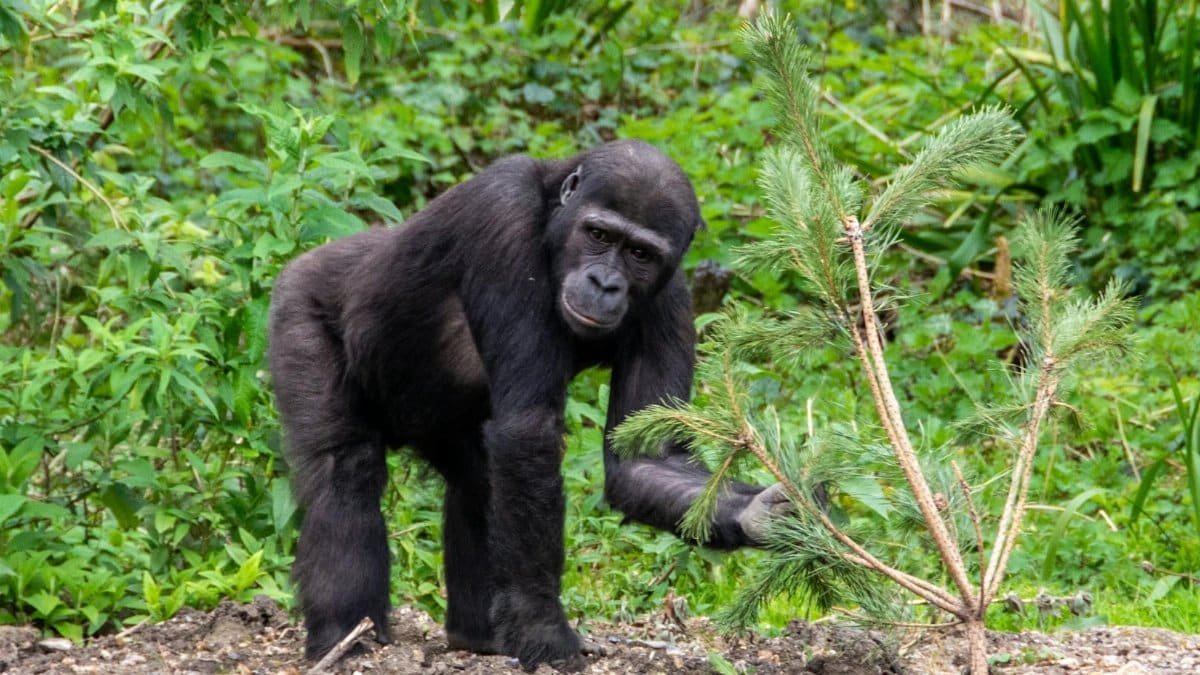
In Nigeria and Cameroon’s borderlands, the Cross River gorilla, Earth’s rarest great ape, numbers under 300. Logging roads enable bushmeat hunters to penetrate ancient forests. The Wildlife Conservation Society’s habituation projects allow researchers to monitor troops non-invasively, revealing social bonds akin to human families. Community-led patrols, funded by the Arcus Foundation, have reduced poaching by 70 percent in key areas. World Wildlife Day 2026 endangered pleas connect the gorilla’s plight to carbon storage, as these primates preserve rainforests absorbing climate-warming gases.
Hawksbill Sea Turtle: Coral Reef Architects
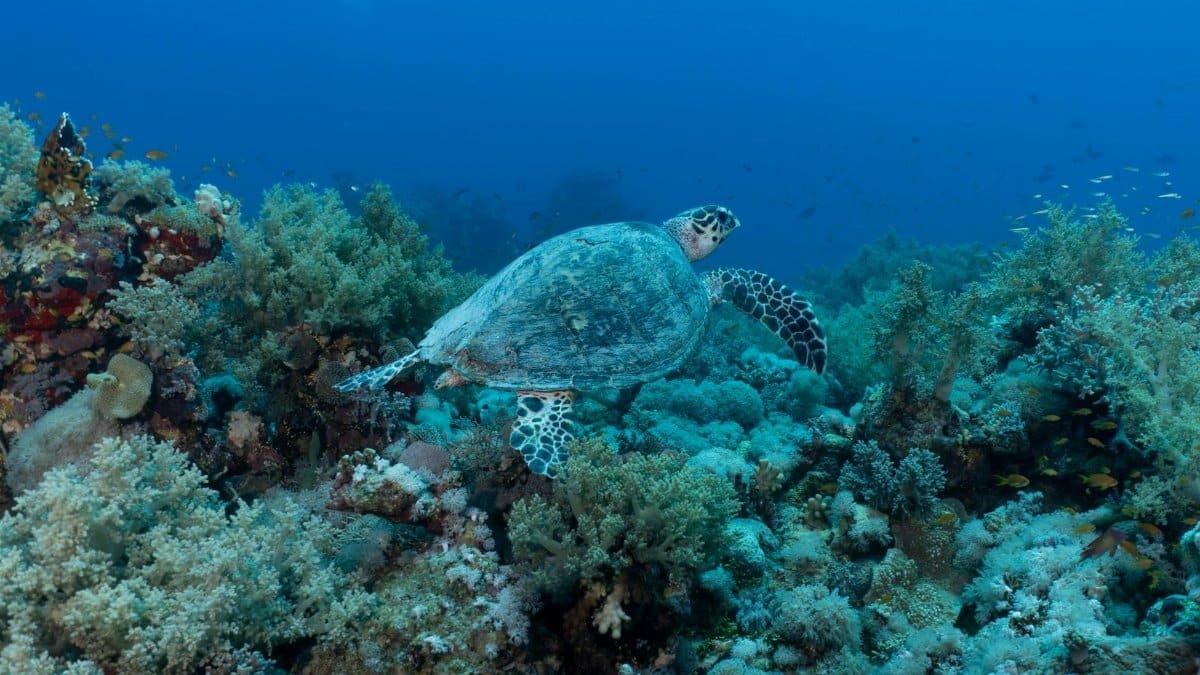
Graceful hawksbill sea turtles, vital for coral health, devour sponges that smother reefs, but egg poaching and plastic ingestion threaten their 10,000 global nesting females. Caribbean and Indian Ocean beaches report plummeting hatchlings. The Turtle Foundation’s satellite tagging tracks migrations, informing marine protected areas expanded in Seychelles. World Wildlife Day 2026 underscores beach cleanups removing tons of debris, essential as warming oceans bleach reefs these turtles call home. Their curved beaks, once harvested for jewelry, now symbolize resilient marine ecosystems.
Yangtze Finless Porpoise: River’s Playful Relic

China’s Yangtze River hosts the finless porpoise, a baiji successor down to 1,000 amid shipping noise and overfishing. Institutes of Hydrobiology release captive-bred individuals into semi-wild reserves, monitoring via hydrophones. Pollution clouds their sonar navigation, but vessel slowdowns in key stretches show promise. World Wildlife Day 2026 endangered narratives celebrate porpoise calves surfacing playfully, evoking the river’s pre-industrial bounty and pressing for hydropower alternatives to preserve this toothless cetacean’s domain.
Philippine Eagle: Sky Kings of the Canopy
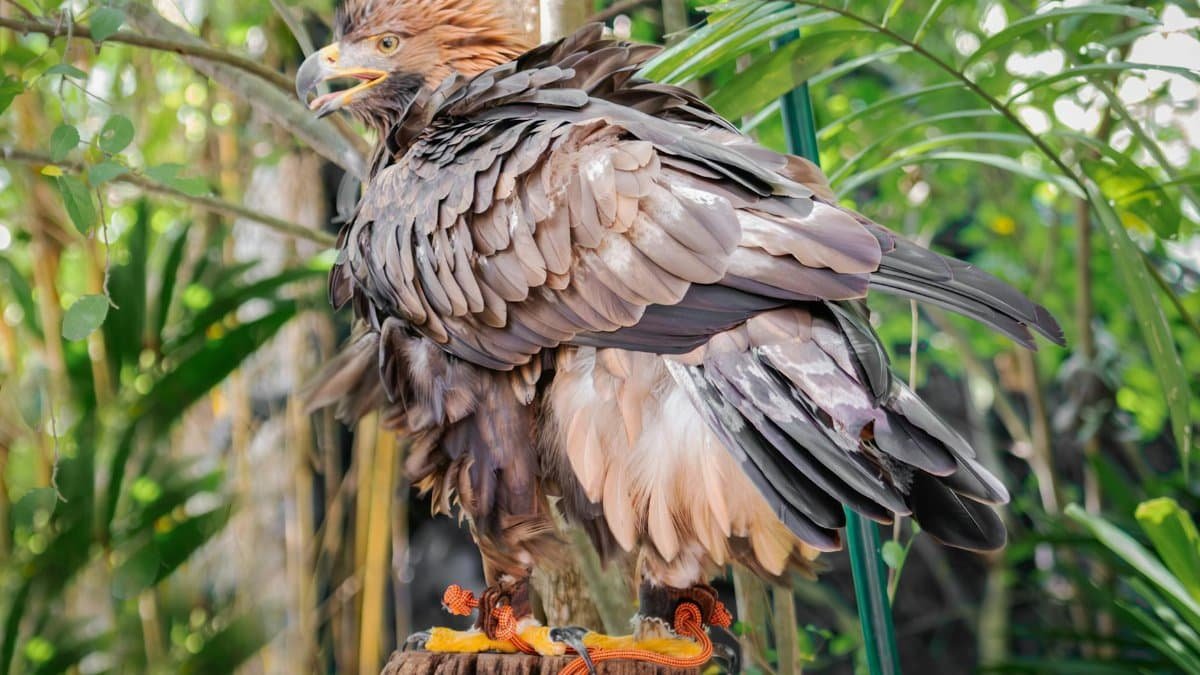
Souring above Mindanao’s dipterocarp forests, Philippine eagles pair for life, raising one chick every two years. Deforestation for palm oil leaves just 400 pairs. The Philippine Eagle Foundation’s breeding center has fledged 30 young for release, fitted with GPS backpacks revealing 100-kilometer hunting ranges. Reforestation drives plant millions of trees annually. World Wildlife Day 2026 honors these raptors with three-meter wingspans, urging policy shifts to reclaim logged highlands for avian monarchs.
Kakapo: New Zealand’s Flightless Oddity

The kakapo parrot, heaviest and nocturnal, boasts a booming mating call but booms softly with 250 survivors on predator-free islands. Introduced rats and stoats decimated mainland populations. New Zealand’s Kākāpō Recovery Programme hand-rears chicks, achieving 90 percent survival rates through artificial insemination. World Wildlife Day 2026 endangered stories feature leprechaun-like mossy plumage, rallying support for island eradications to enable mainland returns of this ancient lineage predating humans.
Hirola Antelope: Horn of Africa’s Last Stand

Somalia’s hirola, or Hunter’s hartebeest, dwindles to 400 on Kenya’s border, grazed out by livestock amid civil unrest. The Hirola Conservation Programme aerially supplements waterholes and vaccinates against rinderpest. Droughts intensify competition, but fenced sanctuaries double local herds. World Wildlife Day 2026 connects this antelope’s curved horns to pastoralist traditions, fostering co-management where herders benefit from ecotourism revenues.
Why World Wildlife Day 2026 Matters

Beyond spotlights on these ten, World Wildlife Day 2026 endangered observances weave science, policy, and public will. UN resolutions amplify CITES protections, while apps like iNaturalist crowdsource sightings fueling databases. Spiritual dimensions emerge too, as indigenous voices frame wildlife as kin, echoing trends blending ecology with reverence for life’s web. Faith leaders join petitions, viewing extinction as a moral crossroads.
Common Threats Uniting the Fight

Habitat destruction claims 85 percent of declines, per IUCN Red List analyses, compounded by climate shifts altering migration. Poaching fuels black markets worth $20 billion yearly, as detailed in a 2023 TRAFFIC report ( traffic.org ). Overfishing starves marine species, while invasive pests overrun islands. Unified strategies, from debt-for-nature swaps to corporate zero-deforestation pledges, gain traction.
Paths to Recovery and Hope

Success stories abound: black-footed ferrets rebound from 18 captives to 300 wild. Gene banking and cloning trials, like the black-footed ferret’s, offer backups. Community incentives, paying farmers for jaguar corridors, scale globally. World Wildlife Day 2026 rallies donations to funds like the Critical Ecosystem Partnership, targeting hotspots. Optimism lies in youth: global school programs inspire tomorrow’s stewards.
These ten species, emblems of World Wildlife Day 2026 endangered crises, demand we pivot from observers to guardians. Inspired by original reporting from World Animal News ( worldanimalnews.com ), Natasha Weber reports on conservation’s frontlines, where every preserved habitat reaffirms our shared earthly bond.