
The explosion of women’s sports leagues in 2026 is reshaping social lives worldwide. Dubbed a cure for the “loneliness epidemic,” these booming communities offer women a vital “third place” beyond home and work. It’s more than a game—it’s a gathering hub credited with forging real connections. As leagues multiply globally, women are finding camaraderie on sidelines, in stands, and online forums tied to the action. The women sports community stands at the heart of this shift, turning spectatorship into belonging.
The Surge in Women’s Sports Leagues
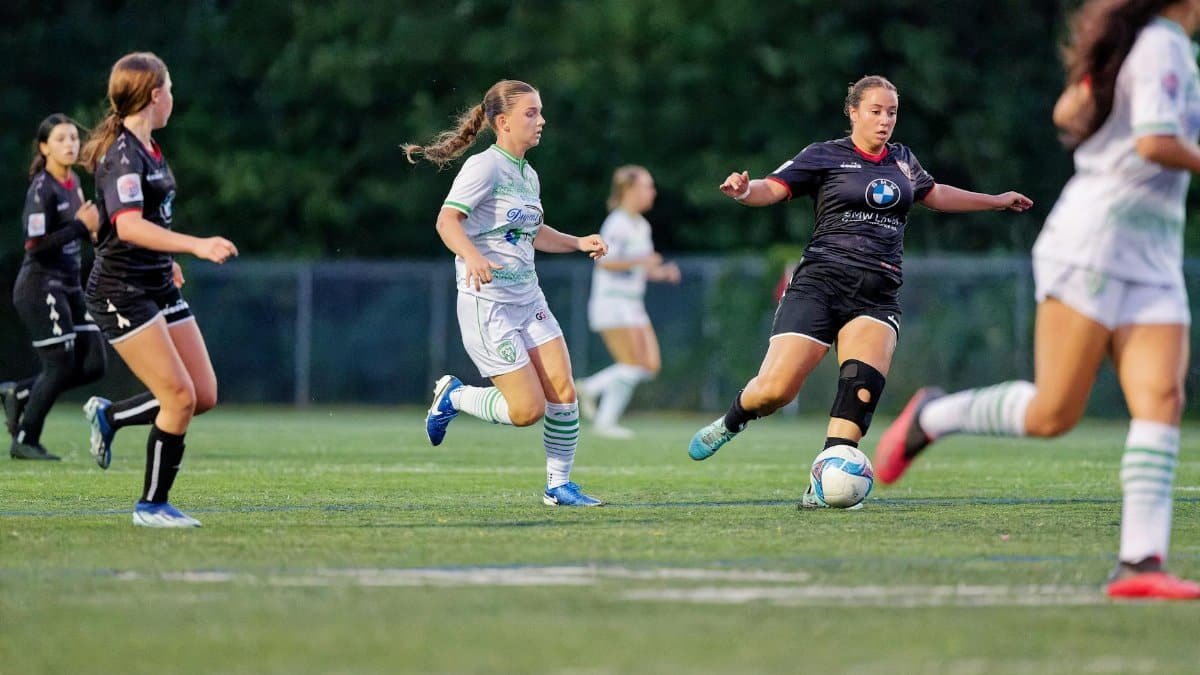
Women’s sports leagues have detonated onto the global stage in 2026. This rapid expansion marks a pivotal moment. More teams, more matches, more venues draw crowds like never before. The growth isn’t subtle—it’s an explosion fueling packed arenas and viral moments. Leagues span soccer, basketball, tennis, and beyond, pulling in fans who once felt sidelined in social scenes.
This boom creates accessible entry points. Women join as players, coaches, or superfans. Local clubs sprout alongside pro circuits, making participation widespread. The result? A network of events that pulses with energy, drawing thousands weekly. No longer niche, these leagues dominate headlines and schedules.
Defining the Third Place Power

Sociologists long touted the “third place” as essential—a neutral ground for casual bonds outside home or office. Think coffee shops or parks, but amplified. Women’s sports leagues fill this role with unmatched force. Stadiums become sanctuaries. Tailgates turn strangers into allies. Online fan groups extend the vibe 24/7.
These spaces thrive on shared rituals: cheers, chants, post-game chats. They demand nothing but passion for the game. In 2026, this model scales globally, from urban centers to rural outposts. Women report deeper ties here than in digital-only hangouts. The third place isn’t abstract—it’s the roar of the crowd, the fist bump after a win.
Unpacking the Loneliness Epidemic

The “loneliness epidemic” grips nations, isolating millions despite hyper-connectivity. Health leaders worldwide flag it as a crisis.U.S. Surgeon General’s page on the loneliness epidemic outlines risks like poor health outcomes from chronic isolation. Globally, similar alarms sound. Women, juggling careers and families, often bear the brunt.
Sports leagues strike back directly. Regular gatherings combat solitude head-on. Weekly matches replace empty evenings. Fan meetups mimic family dinners. This isn’t therapy—it’s action-packed relief. Experts credit these hubs for rebuilding social fabric, one goal at a time.
How Sports Forges Lasting Bonds
Gathering in the women sports community builds more than cheers. It sparks conversations that linger. Rivalries fuel friendly debates. Victories create collective highs. Losses? Shared resilience. These interactions mimic old-school neighborhood vibes but with modern scale.
Leagues organize beyond games: clinics, charity drives, watch parties. Women connect across ages, backgrounds, fitness levels. A mom bonds with a teen over a penalty kick. Professionals unwind with retirees. The explosion ensures options everywhere, making isolation harder to sustain.
Global Scope of the Shift

This isn’t a regional blip—it’s worldwide. From Europe to Asia, Australia to the Americas, 2026 sees synchronized growth. Leagues adapt to local flavors yet unite under sports’ universal language. Travel for tournaments? Common now. Virtual streams link distant fans.
The impact ripples. Cities report livelier streets on game days. Venues double as community centers. Women’s sports community transcends borders, offering a shared identity amid division. It’s a quiet revolution, powered by play.
Beyond Spectatorship: Active Participation
Not all engagement is passive. The league boom invites women in. Amateur divisions explode alongside pros. Pickup games fill parks. Coaching gigs abound. This hands-on layer deepens the third place magic—sweat equity cements bonds.
Barriers crumble. Affordable tickets, family-friendly policies, inclusive rules draw diverse crowds. The women sports community thrives on inclusion, turning bystanders into builders. Loneliness fades when you’re part of the team, even off-field.
Credited Solutions in Action

Observers hail 2026’s sports surge as the loneliness antidote. Reports tie league growth to rising social metrics. Women cite these spaces as lifelines. The “it’s more than a game” mantra rings true—it’s survival.
Health bodies echo this. Social isolation links to ills like depression; gatherings counter it.WHO fact sheet on social isolation and loneliness underscores community needs. Sports delivers, raw and real. No apps required—just show up.
Sustained Momentum Ahead

The 2026 explosion sets a template. Leagues invest in infrastructure: bigger stadiums, better streams, youth pipelines. Women sports community evolves, staying relevant. Challenges like weather or logistics? Overcome by sheer will.
This third place endures. It solves by connecting, one match at a time. As leagues proliferate, so does hope. The loneliness epidemic meets its match—not in pills or posts, but in the thrill of the game.