

Diplomats have turned their attention toward European capitals in recent weeks as traditional channels for dialogue between Washington and Tehran encounter repeated obstacles. With core disagreements persisting over nuclear limits and regional security, several governments on the continent have quietly positioned themselves as potential bridges. This development marks a notable shift in how the US Iran European talks are being approached amid broader uncertainty about future steps.
European Capitals Offer Fresh Venues
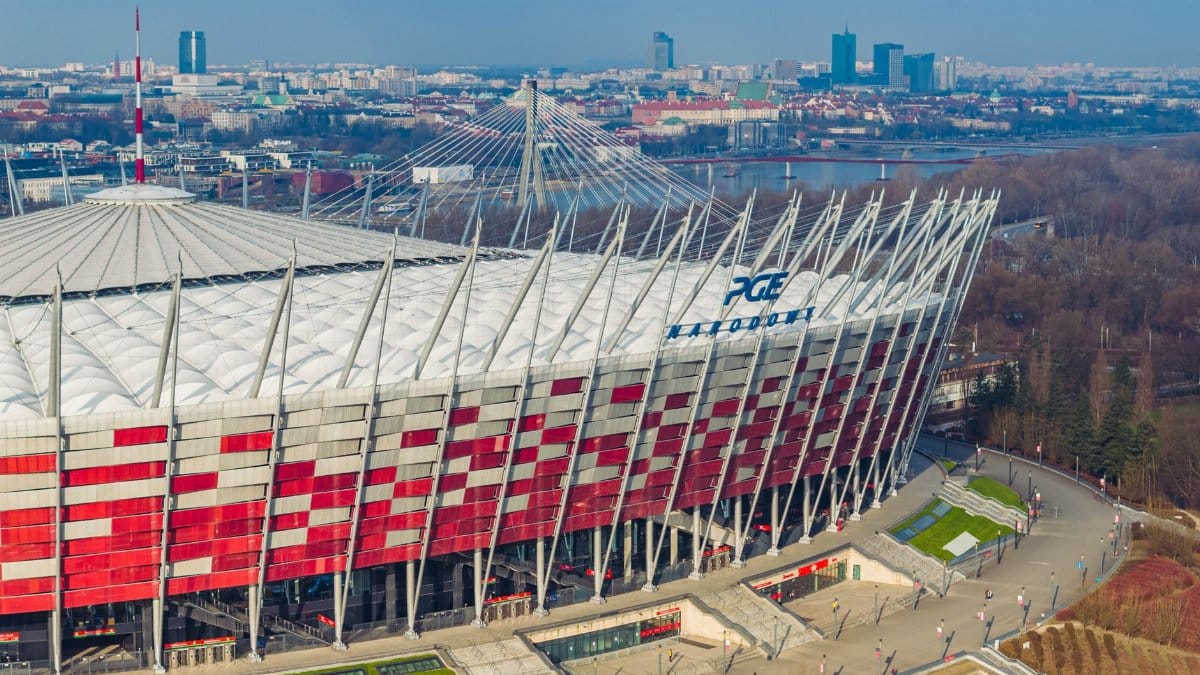
Officials in Vienna and Berlin have hosted preliminary meetings that bring together envoys from multiple sides. These sessions focus on incremental steps rather than sweeping agreements. European foreign ministries have emphasized their interest in stability across the Middle East, viewing any progress as beneficial to trade routes and energy markets. Observers note that the neutral ground provided by these cities allows for conversations that avoid the direct spotlight of American or Iranian domestic politics.
Background of Prolonged Standoff
Tensions between the United States and Iran have roots stretching back decades, involving sanctions, nuclear ambitions, and proxy conflicts. Recent attempts at direct negotiation broke down over verification procedures and economic relief packages. As a result, intermediaries from Europe have gained attention for their ability to convey messages without immediate political repercussions at home. The current phase of US Iran European talks reflects this practical adjustment in strategy.
Role of Smaller Nations in Mediation

Countries such as Switzerland and Norway have long maintained open lines with both Washington and Tehran. Their diplomats are now facilitating informal exchanges on topics like prisoner releases and humanitarian shipments. These efforts receive support from larger European Union members who prefer to stay in the background for the moment. Success in these narrow areas could build momentum for wider discussions later.
Economic Pressures Shape Diplomatic Moves
Sanctions continue to limit Iranian access to global finance while American companies watch for any easing that might open new opportunities. European firms with historical ties to Iran express cautious optimism about resumed commerce if talks advance. Energy prices in global markets add another layer of urgency, prompting calls for de escalation from governments dependent on steady oil flows.
Public Opinion Across the Atlantic

Surveys in several European nations show majority support for renewed diplomacy rather than confrontation. American audiences remain more divided, with many expressing fatigue over endless foreign entanglements. Iranian citizens, facing domestic economic strain, appear receptive to any development that might bring relief. These attitudes influence how leaders calibrate their public statements during the ongoing US Iran European talks.
Security Concerns Drive Caution

Regional actors including Israel and Gulf states monitor developments closely, wary of any arrangement that might alter existing power balances. European mediators stress that all proposals include safeguards against weapons proliferation. Military officials on all sides continue routine operations, underscoring that diplomacy has not yet altered on the ground realities.
Potential Pathways Forward

Analysts suggest that modest confidence building measures, such as limited oil sales or cultural exchanges, could precede more ambitious accords. European governments have offered to host technical working groups on issues like environmental cooperation in the Persian Gulf. Whether these ideas gain traction depends on signals from the highest levels in Washington and Tehran.
Outlook for Sustained Engagement
The involvement of European players introduces new variables into a longstanding dispute. While no breakthrough appears imminent, the willingness to explore alternative routes signals continued interest in avoiding open conflict. Observers will watch upcoming meetings in European cities for signs that the US Iran European talks can produce tangible results over the coming months. Continued patience from all participants remains essential if progress is to follow.