

Wisconsin’s Department of Natural Resources has kicked off the application window for the highly anticipated 2026 state elk hunt, starting March 1. This marks a key moment for hunters eyeing the wisconsin elk hunt 2026, with the season now streamlined into a single continuous period from October through December. Subtle increases in quotas for the Central Elk Management Zone signal steady progress in the state’s elk restoration efforts, while a modest $10 application fee will directly support broader wildlife initiatives. As reported by DrydenWire, these developments reflect careful management of a species that’s been slowly rebounding in the Badger State.
Marking the Start of Hunt Preparations

For outdoor enthusiasts across Wisconsin and beyond, March 1 arrived like the first whisper of autumn foliage. That’s when the DNR flipped the switch on applications for the wisconsin elk hunt 2026, inviting licensed hunters to throw their names into the hat. This annual ritual isn’t just bureaucratic paperwork—it’s the gateway to one of the state’s most coveted big-game opportunities. The timing aligns perfectly with early spring planning, giving applicants months to gear up, scout potential zones, and dream of crisp fall mornings in elk country. With elk numbers stabilizing after years of deliberate reintroduction, the DNR’s move underscores a commitment to sustainable access, ensuring the hunt remains a viable tradition without overwhelming delicate herds.
A Streamlined Season for 2026
Gone are the fragmented dates of past years; the 2026 elk season collapses into one unbroken stretch from October to December. This continuous block offers hunters unprecedented flexibility, allowing them to align trips with personal schedules, weather patterns, or peak rut activity. Imagine the appeal: no gaps means more chances to immerse in the backwoods, tracking bugling bulls amid golden tamarack and pine. According to the DNR’s announcement, this format simplifies logistics for both participants and administrators, fostering a more predictable rhythm for the wisconsin elk hunt 2026. It’s a subtle evolution that prioritizes hunter satisfaction while safeguarding elk populations through controlled pressure.
Quota Adjustments in the Central Zone

Eyes are turning to the Central Elk Management Zone, where quotas have ticked up slightly for 2026. This modest expansion—detailed in the DNR’s release—hints at robust herd health in the region’s core habitats. Such increases aren’t handed out lightly; they stem from ongoing population assessments that balance growth with ecological carrying capacity. For hunters, it translates to marginally better odds in a draw that’s always competitive, injecting fresh excitement into applications. Blended seamlessly into broader management, this tweak supports the long-term viability of elk in landscapes once barren of the majestic animals, much like how targeted harvests have stabilized recovering herds in neighboring states, per U.S. Fish and Wildlife Service overviews.
The Role of the $10 Application Fee

At just $10 a pop, the application fee punches well above its weight. Every dollar funneled straight into elk management keeps the program humming, from zone monitoring to adaptive strategies that respond to herd dynamics. It’s a user-pays model that resonates with ethical hunters, who see it as their stake in perpetuating the pursuit. As outlined in the DNR’s framework, these funds aren’t siloed—they ripple across the state, bolstering efforts that benefit not just elk, but intertwined wildlife communities. In an era of tight budgets, this lean funding mechanism exemplifies efficient conservation, turning applicant enthusiasm into tangible on-the-ground impact for the wisconsin elk hunt 2026.
Fueling Elk Management statewide
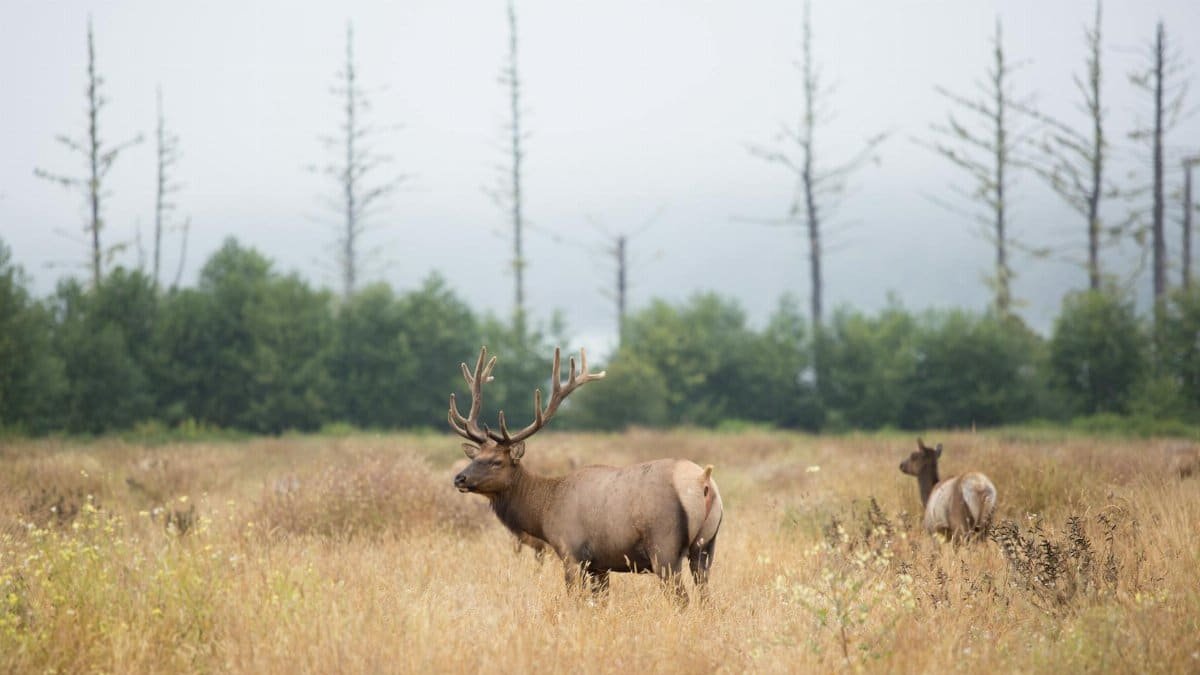
Elk management forms the cornerstone of these fees, encompassing everything from population surveys to conflict mitigation between herds and agriculture. Wisconsin’s approach has evolved into a model of precision, drawing on data to fine-tune hunt parameters like the Central Zone’s quota bump. This isn’t abstract policy; it’s the groundwork that sustains bugles echoing through October forests. By reinvesting fees, the DNR ensures adaptive oversight, preventing overharvest and promoting genetic diversity. Hunters applying now contribute to a cycle where their passion directly fortifies the herds they’ll chase come fall, embodying the symbiotic bond between pursuit and preservation in the wisconsin elk hunt 2026.
Investing in Habitat Restoration

Habitat restoration stands out as a prime beneficiary, with fees earmarked for projects that reclaim elk-friendly terrain. Think enhanced wetlands, forested corridors, and forage-rich meadows—essentials for a species that thrives on diverse, quality acreage. These initiatives address historical losses from development and farming, slowly knitting back the fabric of elk range. The DNR’s strategy leverages every application dollar to amplify native vegetation, reduce erosion, and create migration pathways. Such work not only bolsters elk numbers, enabling tweaks like the 2026 quotas, but also enriches biodiversity. It’s a forward-looking investment, ensuring future seasons remain as vibrant as the continuous October-to-December window ahead.
Enhancing Wildlife Monitoring Efforts

Rounding out the fee’s impact, wildlife monitoring gets a vital boost, tracking elk movements, health, and interactions via collars, cameras, and field data. This real-time intelligence informs quota decisions, like the Central Zone uptick, and flags issues early—from disease risks to habitat stressors. In Wisconsin’s dynamic ecosystems, such vigilance is non-negotiable, blending tech with boots-on-the-ground observation. Fees from the wisconsin elk hunt 2026 applications empower this network, yielding insights that ripple to other species and landowners. It’s the unseen labor that keeps hunts ethical and sustainable, transforming raw data into the balanced seasons hunters crave.
Why This Hunt Captivates Wisconsin
The wisconsin elk hunt 2026 isn’t merely a calendar event; it’s a testament to resilience. Elk vanished from the state over a century ago, only to claw back through human-guided recovery. Today’s applications, with their extended season and quota nudges, celebrate that arc while funding its continuation. For locals and out-of-staters alike, it’s a chance to connect with wilderness heritage—tracking ghosts of the past in modern woods. The DNR’s March 1 opener invites participation in this narrative, where a simple fee weaves hunters into conservation’s fabric. As quotas edge higher and seasons flow seamlessly, the stage is set for memorable pursuits under vast skies.