
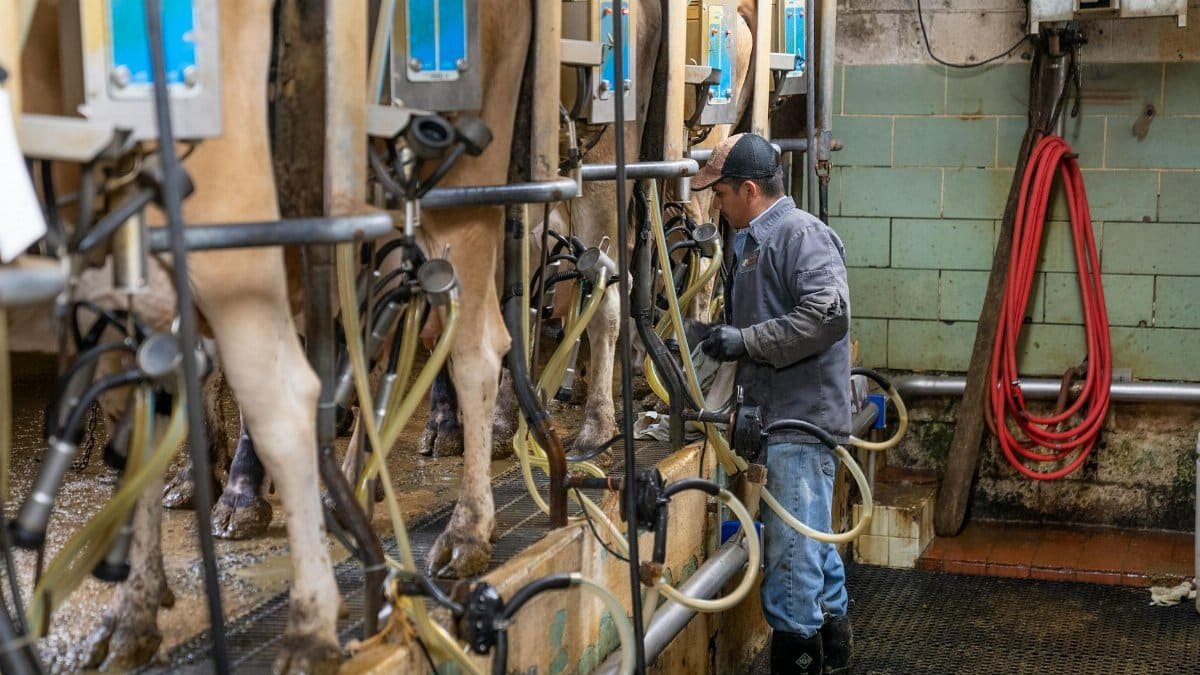
Wisconsin mindful milking is causing a major shift in dairy farming this year. In a groundbreaking initiative, 22 farms across the state have adopted a unique approach to milking that prioritizes mental well-being alongside productivity. Dubbed “mindful milking,” this practice, centered in Madison, incorporates a four-breath-per-udder protocol and silent milking sheds. Early data suggests it’s not just calming the farmers but potentially transforming the industry’s approach to stress. As research unfolds, this could redefine the daily grind for dairy workers in 2025 and beyond.
A New Approach to Dairy Farming
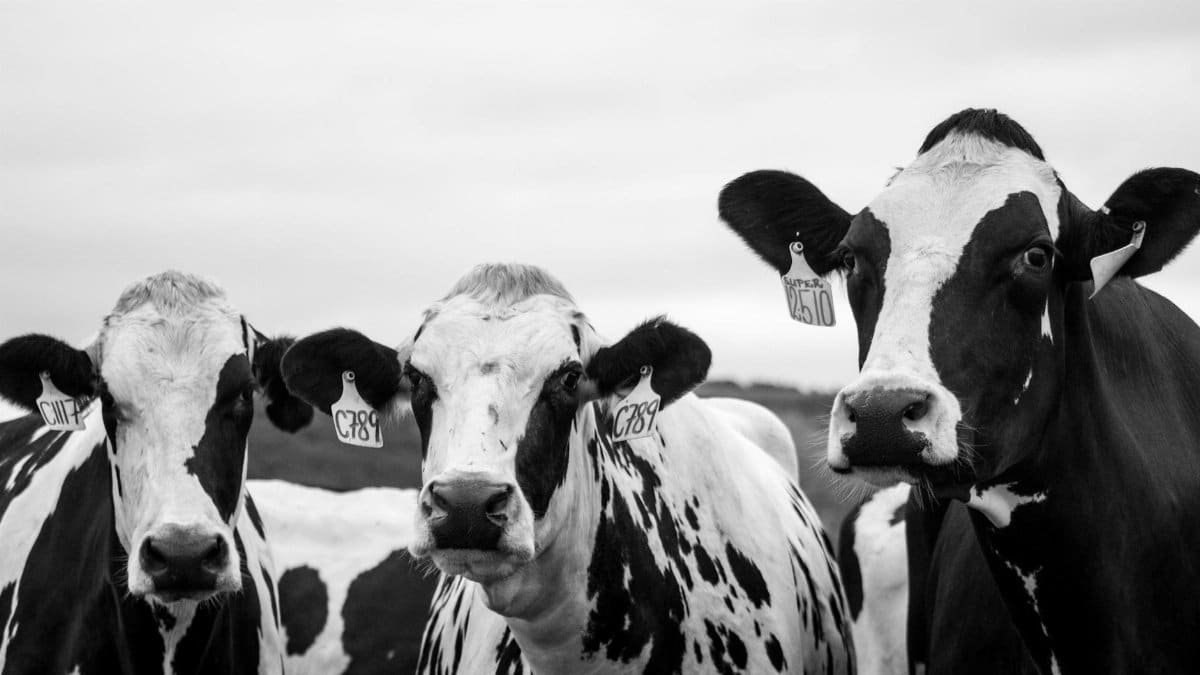
In an industry often defined by long hours and relentless physical demands, a group of Wisconsin dairy farms is trying something different. As of February 18, 2025, 22 farms have implemented a novel technique known as mindful milking. This method integrates intentional breathing exercises—specifically, four deep breaths per udder—into the milking process. The goal? To create a moment of calm amid the chaos of farm life. It’s a small but deliberate shift aimed at addressing the mental health challenges that many farmers face.
Silent Sheds, Calmer Minds

Alongside the breathing protocol, these farms have introduced silent milking sheds. By minimizing noise and distractions during milking sessions, the environment becomes a space for focus and tranquility. This isn’t just about creating a peaceful vibe—it’s a strategic move to reduce stress for both farmers and cows. The absence of clanging machinery or loud chatter allows for a more meditative experience, aligning with the broader goals of wisconsin mindful milking. Farmers report feeling more grounded, even in the midst of a demanding workday.
Heart Rates Drop, Stress Eases

The early results are striking. Data collected from Farmer FitBit devices show a measurable impact: average heart rates drop by 7 beats per minute during mindful milking sessions. This reduction suggests that the practice is helping farmers manage stress in real time. While a 7 bpm drop might seem modest, it reflects a tangible physiological change, indicating a calmer state of mind. For an industry where burnout is a persistent issue, such findings point to a potential lifeline for mental health.
Milk Yields Hold Steady

One concern with introducing new practices is the impact on productivity. However, the data so far offers reassurance. Milk yields at the participating farms have remained constant, even as farmers adopt this slower, more deliberate approach. This stability is crucial—it shows that prioritizing mental well-being doesn’t come at the expense of output. For dairy cooperatives watching closely, this balance suggests that wisconsin mindful milking could be a sustainable model, blending efficiency with care for human health.
Mental Health Hotline Calls Plummet

Perhaps the most compelling evidence of the program’s success lies in its impact on mental health support systems. Calls to a cooperative mental health hotline have dropped by 38% since the mindful milking initiative began. This significant decline indicates that farmers are finding relief directly through their daily routines, reducing the need for external intervention. It’s a powerful signal that small, intentional changes in workflow can have outsized effects on emotional well-being, especially in a high-stress field like agriculture.
Research Digs Deeper at UW–Madison

The University of Wisconsin–Madison is taking a closer look at these promising results. Researchers are currently collecting cortisol samples from both cows and farmers to assess whether the benefits of mindful milking are mutual. Cortisol, often referred to as the stress hormone, provides a measurable indicator of stress levels. By correlating data from humans and animals, the study aims to uncover whether this practice creates a shared sense of calm. Results could offer scientific backing for wider adoption across the state and beyond.
Broader Implications for Agriculture

The mindful milking initiative arrives at a time when mental health in agriculture is gaining national attention. According to the Centers for Disease Control and Prevention, farmers face disproportionate rates of stress, anxiety, and depression due to economic pressures and isolation. Programs like this one in Wisconsin could pave the way for systemic change, offering a model that other states might replicate. If cortisol studies confirm mutual benefits, the practice could become a standard in dairy farming.
Challenges and Future Outlook

While the initial data is encouraging, scaling mindful milking poses challenges. Not all farms have the resources or time to implement silent sheds or train staff in breathing protocols. Additionally, cultural resistance to change in traditional farming communities could slow adoption. Still, with support from institutions like UW–Madison and growing awareness of mental health, the initiative has momentum. For now, the 22 participating farms are a testing ground, and their success could inspire a broader movement in 2025.
Why It Matters Now

The intersection of agriculture and mental health is a pressing issue, and Wisconsin is at the forefront of finding solutions. The mindful milking approach isn’t just a feel-good experiment—it’s a response to real struggles faced by farmers every day. As stress continues to impact rural communities, innovative practices like this could offer a path forward. For more context on mental health challenges in farming, resources from University of Wisconsin Extension provide valuable insights into ongoing support efforts.