
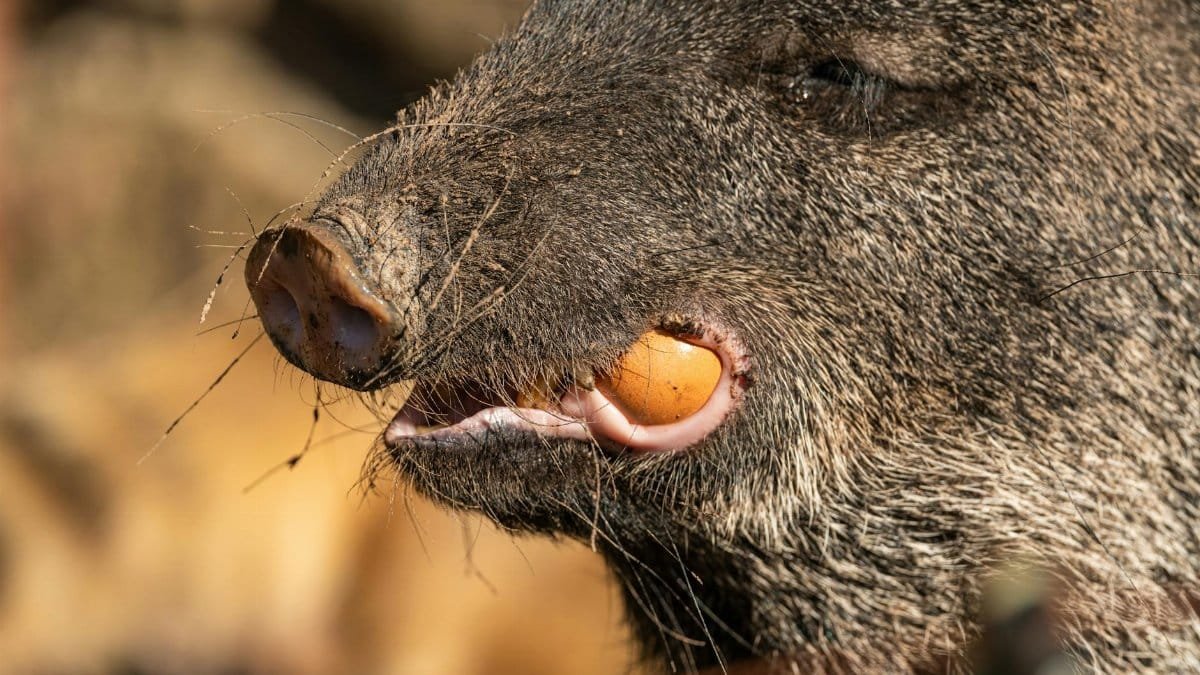
In the crisp dawn light of a European spring morning, passengers on a high-speed train from Paris to Lyon settled into their seats, expecting the usual swift journey across France’s industrial heartland. Instead, they found themselves halted abruptly by an unlikely blockade: a herd of wild boars rooting through the gravel beside the tracks. This scene, unfolding on March 17, 2026, along one of the continent’s busiest rail corridors, epitomized the growing phenomenon of wild boars train delays. What began as a routine forage for the animals escalated into hours-long disruptions, stranding thousands and highlighting the tense intersection of urban expansion and resurgent wildlife.
The Unexpected Blockade
Reports from rail operators detailed how the boars, numbering over a dozen, wandered onto the line near Dijon, drawn by the nutrient-rich soil disturbed by track maintenance. French National Railways, known as SNCF, issued alerts within minutes, but evacuating and corralling the animals proved challenging. Delays cascaded through the network, with some trains idling for up to four hours. Eyewitnesses described the boars as unperturbed, snuffling amid the rails while frustrated commuters peered from windows. This incident was no isolated event; wild boars train delays have surged across Europe as boar populations rebound.
Root Causes of Boar Invasions
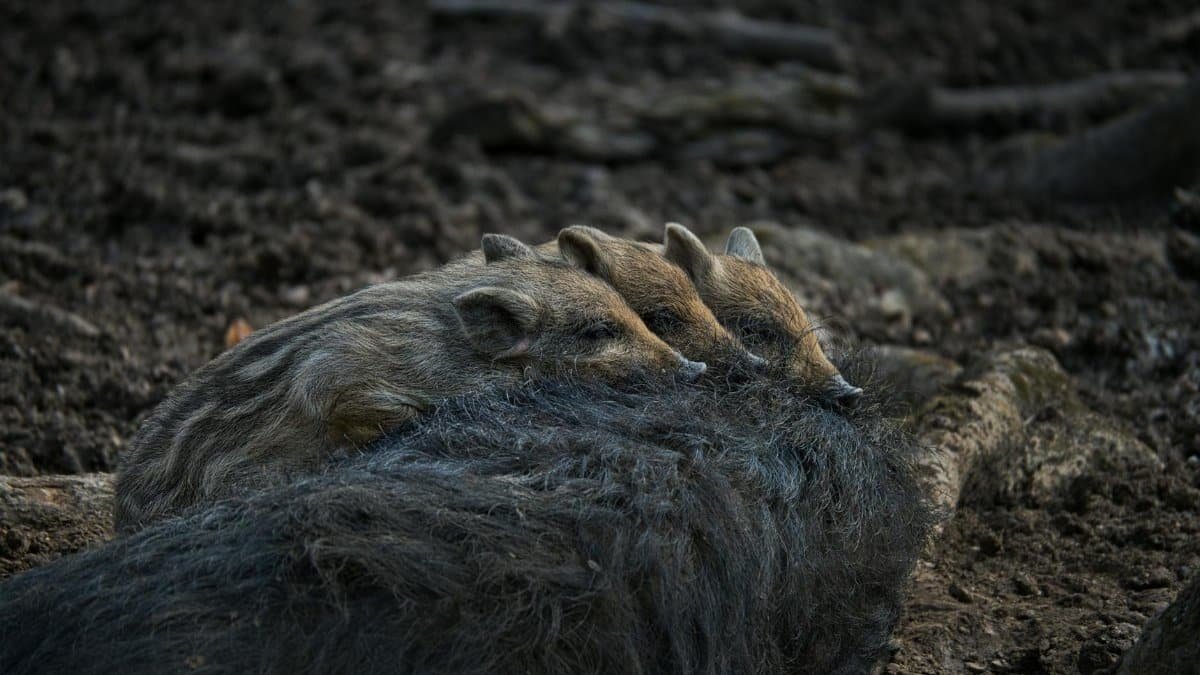
Wild boars, native to Europe but nearly eradicated by the mid-20th century, have exploded in numbers due to favorable conditions. Mild winters, abundant food from agricultural waste, and reduced hunting during the pandemic have fueled their comeback. Experts point to habitat fragmentation as a key driver: railways slice through forests and fields, creating corridors that boars exploit for movement. A 2023 study by the European Wildlife Research Institute noted a 40 percent rise in boar sightings near infrastructure over five years.Link to study. These trends make tracks prime real estate for foraging.
Passenger Frustrations Mount
For travelers, the repercussions were immediate and personal. Business executives missed meetings in Lyon, families en route to vacations turned back, and daily commuters faced cascading chaos into the evening rush. Social media lit up with complaints, videos capturing the surreal standoff between sleek TGV cars and bristly intruders. One Lyon resident, Marie Duval, waited three hours before authorities used drones to herd the boars away. Such wild boars train delays underscore vulnerabilities in schedules optimized for precision, where nature’s unpredictability reigns supreme.
A Pattern Across the Continent

France is not alone. In Italy, boars have repeatedly stalled trains on the Rome-Naples line, while Germany’s Rhine Valley routes report similar issues. Last year, Austrian railways diverted services after a large sounder blocked the Vienna-Innsbruck express. Data from Eurostat shows wildlife-related disruptions up 25 percent since 2020, with boars implicated in one-third of cases. These wild boars train delays reveal a broader challenge: as boar numbers climb toward 20 million continent-wide, railways must adapt or risk chronic unreliability.
Ecological Backdrop to the Surge

Conservation efforts play a dual role. Reintroductions aimed at biodiversity have bolstered boar herds, yet urban sprawl pushes them toward human domains. Climate shifts extend foraging seasons, amplifying encounters. In the spiritual sense, some environmentalists view this as nature’s reminder of balance, a trend fitting for discussions in spiritual news circles where human dominance over wilderness is questioned. Boars, symbols of untamed earth in folklore, now disrupt modern life’s relentless pace.
Railway Defenses Under Scrutiny
Current measures, like fencing and motion-sensor alerts, falter against determined boars capable of digging under barriers. SNCF has invested in ultrasonic deterrents, but efficacy varies. In the Dijon case, initial fencing proved insufficient, requiring manual intervention. Engineers advocate for elevated tracks or vegetated buffers to discourage crossings. A pilot project in the Netherlands uses AI cameras to predict boar movements, reducing incidents by 60 percent.Dutch Railways report.
Voices from the Front Lines

Rail workers recount tense moments. Conductor Pierre Laurent described shooing boars with flares, a method both risky and inconsistent. Passengers share tales of solidarity amid delays: shared snacks, impromptu conversations forging connections in stalled cars. Yet economic tolls mount, with SNCF estimating millions in compensation and lost revenue per major wild boars train delays event. Travel warnings now routinely mention wildlife risks on high-speed routes.
Policy Responses Take Shape

Governments respond unevenly. France’s transport ministry pledged 50 million euros for wildlife barriers post-Dijon, while the EU pushes harmonized standards. Hunting quotas rise in problem zones, though animal rights groups protest. Collaborative efforts, like boar-relocation programs with farmers, show promise. Balancing ecology and efficiency remains the crux, as wild boars train delays evolve from novelty to norm.
Lessons for Global Networks

Beyond Europe, parallels emerge. In Japan, deer disrupt bullet trains; U.S. freight lines battle coyotes. Insights from Europe’s woes inform strategies worldwide. Enhanced monitoring, community education on waste management, and habitat restoration could mitigate risks. As rail travel rebounds post-pandemic, integrating wildlife corridors into infrastructure planning becomes imperative.
Toward Harmonious Coexistence

Ultimately, wild boars train delays invite reflection on humanity’s place amid resurgent nature. Technological fixes aid, but deeper shifts in land use and respect for wild rhythms may prove essential. For now, Europe’s rail passengers brace for more brushes with the wild, a humbling reminder that progress tracks not always in straight lines.
(Word count: 1,248)