
When did you last wash the lid of your reusable water bottle? Viral videos circulating online are pulling back the curtain on a nasty secret: thick black mold lurking under the rubber gaskets of popular Stanley cups. Dated February 11, 2026, these clips are linking the hidden buildup to unexplained illnesses among users. What seems like a simple hydration habit could be brewing health trouble right in your kitchen. The moldy water bottle trend has users rethinking their cleaning routines overnight.
Viral Videos Ignite Public Alarm

Social media exploded with footage showing the grim reality inside Stanley cup lids. Creators pry open the rubber seals, revealing dense black mold colonies that no casual rinse can touch. These videos, timestamped around February 11, 2026, rack up millions of views. They pose a blunt question: How long has this been festering? The clips cut through the hype of trendy tumblers, forcing viewers to confront the oversight in daily use. Reusable bottles promise eco-friendliness, but neglected parts tell a different story.
The Culprit: Rubber Gaskets Exposed
At the heart of the issue lies the rubber gasket, that flexible ring sealing the lid. It’s a moisture trap, perfect for mold growth. Viral demos slice through the material, unveiling thick, fuzzy black layers beneath. Stanley cups, known for durability, have these components in lids to prevent leaks. But dampness from drinks and mouth contact creates ideal conditions. Without deep cleaning, the gasket becomes a moldy water bottle hotspot, invisible until dissected on camera.
Black Mold’s Stealthy Buildup

Thick black mold thrives in the dark, humid confines of unscrubbed lids. Videos zoom in on the texture—slimy, web-like strands clinging stubbornly. This isn’t surface grime; it’s entrenched growth from repeated use without disassembly. The February 11, 2026, wave of posts highlights how everyday condensation feeds it. Users report discoloration and odd smells they once ignored. Health experts note black mold, often Stachybotrys, releases spores that irritate airways. For details on mold risks, see the CDC’s page on black mold.
Mystery Illnesses Enter the Spotlight

Viewers aren’t just grossed out—they’re connecting dots to health woes. Reports of persistent coughs, headaches, and fatigue mirror symptoms in the videos’ comments. The moldy water bottle phenomenon ties these “mystery illnesses” to sipping from contaminated sources. Inhaled or ingested spores trigger reactions, especially in sensitive groups. The viral surge prompts questions: Could your daily quencher be the source? No official counts yet, but the pattern alarms public health watchers.
Why Lids Get Overlooked in Cleaning
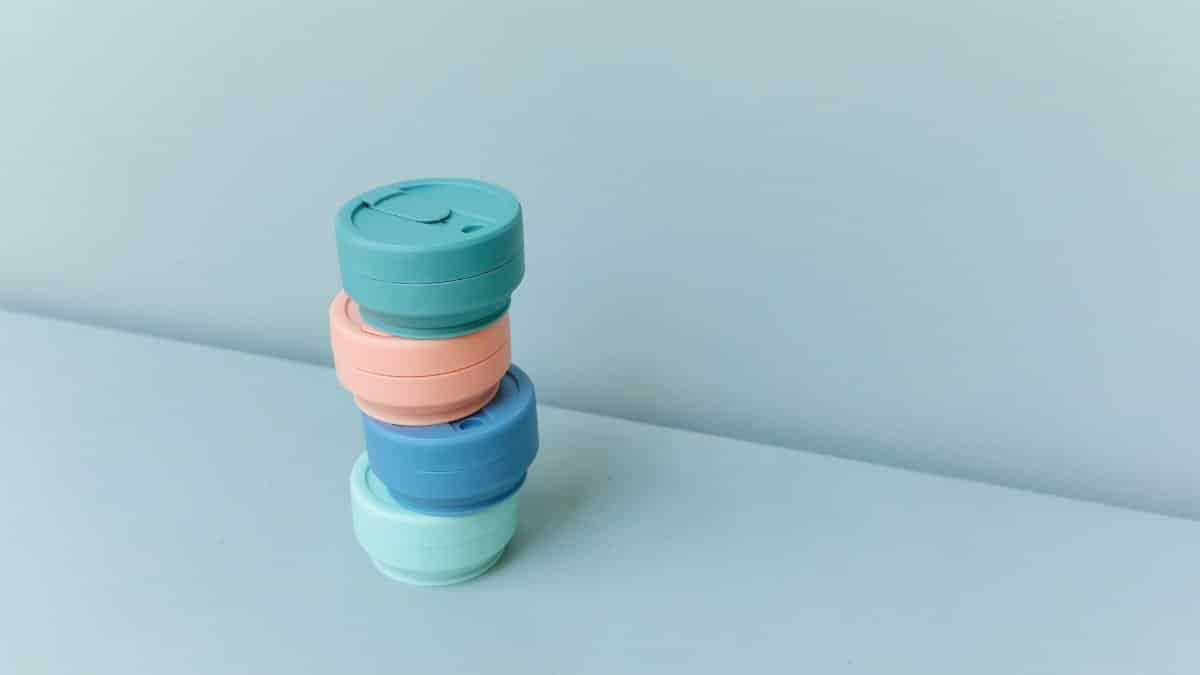
Rinsing the cup body feels thorough, but lids demand more. Rubber gaskets resist standard brushes, harboring residue from sugary drinks or saliva. Viral creators demonstrate the fix: Remove, soak, scrub with vinegar or bleach solutions. The February 11, 2026, posts stress weekly deep cleans. Many admit months passed without gasket checks. This blind spot turns convenient bottles into potential health hazards.
Stanley Cups Under Scrutiny

The iconic brand faces the heat. Stanley cups surged in popularity for insulation and style, but now lids steal the narrative. Videos target their design, praising the product yet slamming maintenance gaps. No recalls announced, but user demos fuel demands for better instructions. In 2026, as reusables dominate U.S. trends, this exposes a flaw in the green-living push. Moldy water bottles aren’t new, but Stanley’s fame amplifies the warning.
Health Implications of Ingested Mold
Swallowing trace mold or breathing spores daily adds up. Symptoms range from nausea to respiratory issues, per established guidelines. The EPA’s resources on mold and health outline risks like allergic responses and infections. Viral accounts describe flu-like bouts vanishing after lid scrubs. Mystery illnesses gain clarity: Chronic exposure from a moldy water bottle lid.
Cleaning Hacks from the Videos

Content creators share battle-tested methods. Disassemble the lid fully. Soak gaskets in hot soapy water or diluted bleach. Use toothbrushes for crevices. Dry completely to starve mold. Some swear by dishwasher top-racks for Stanley models. These tips, born from the February 11, 2026, frenzy, prevent recurrence. Prevention beats cure—regular checks keep black mold at bay.
Shifting Consumer Habits in 2026
The moldy water bottle alerts are reshaping routines. Sales of cleaning brushes spike alongside video shares. U.S. users, hooked on hydration trends, now prioritize lid hygiene. Social proof drives change: One demo leads to thousands rethinking their cups. By mid-2026, expect labels and apps reminding owners to “wash the lid.” The viral push turns oversight into action.
Broader Lessons for Reusable Bottles
Beyond Stanley, any lidded reusable faces risks. Gaskets across brands invite the same neglect. The videos broaden the call: Inspect, clean, repeat. Public awareness peaks, curbing mystery illnesses at the source. In a bottle-obsessed culture, this serves as a wake-up. Your Stanley—or any tumbler—stays safe with vigilance.