

“Boredom is the new productivity.” That’s the bold slogan sweeping global tech circles as of December 8, 2025. Major tech firms are rolling out mandatory “corporate dopamine fasts”—structured breaks from meetings and emails—aimed at rescuing burnt-out teams. In a high-stakes industry plagued by constant digital pings, these enforced pauses promise mental reset and renewed focus. As burnout grips workforces worldwide, companies bet on idleness to spark true efficiency. This shift marks a radical rethink of workplace norms.
The Dopamine Fast Defined

Corporate dopamine fasts strip away the relentless stimulation of modern work. No meetings. No emails. Just quiet time for teams to unplug. Major tech firms view this as essential medicine for overstimulation. The concept flips the script: instead of filling every minute with tasks, workers embrace downtime. This mandatory practice targets the dopamine overload from endless notifications and Zoom calls. By December 2025, it’s no longer optional—it’s policy in leading companies.
Tech Giants Mandate the Pause

Leading tech powerhouses lead the charge. Global heavyweights enforce these fasts across departments. Burnt-out teams, pushed to exhaustion by 24/7 demands, stand to benefit most. Reports from December 8 highlight the urgency: productivity suffers when minds fry. Firms recognize mandatory breaks as a lifeline. This isn’t a perk—it’s survival strategy for sustaining innovation.
No Meetings, No Emails: Core Rules

Picture a workday void of back-to-back calls and inbox floods. That’s the essence of a corporate dopamine fast. Teams halt all scheduled interactions. Emails go unanswered. The goal? Reclaim mental bandwidth. Major firms set strict durations for these periods, ensuring full compliance. This reset combats the fatigue from perpetual connectivity, allowing brains to recharge without interference.
Burnout: The Crisis Driving Change

Burnt-out teams signal a breaking point in tech. Constant pressure erodes performance. Major companies act decisively with dopamine fasts. The December 2025 announcement underscores the scale: global operations demand intervention. Workers drained by overload regain spark through enforced boredom. This approach saves teams from collapse, preserving the talent fueling industry growth.
For context on burnout’s toll, the World Health Organization classifies it as an occupational phenomenon, linking it to chronic workplace stress. See details at WHO on Burn-Out.
Boredom Fuels True Productivity

“Boredom is the new productivity” captures the philosophy. Idle minds wander creatively. Corporate dopamine fasts harness this. Free from meetings and emails, teams process ideas deeply. Major tech firms report early wins: refreshed workers deliver sharper output. The fast challenges hustle culture, proving less can yield more. As 2026 looms, this mantra gains traction beyond tech.
Global Rollout Reshapes Workplaces

The movement spans continents. December 8, 2025, marks the tipping point for worldwide adoption. Major tech firms in Silicon Valley to Shenzhen implement uniformly. Burnt-out teams everywhere welcome the relief. Mandatory fasts standardize the practice, embedding it in corporate rhythm. U.S.-based journalists note echoes in domestic firms, aligning with rising mental health priorities.
Saving Teams Through Strategic Idleness

Rescuing burnt-out teams drives the push. Dopamine fasts prevent total meltdown. No-meeting zones foster recovery. Emails pile up, but so does resilience. Major players prioritize this to retain top talent. The strategy pays off in sustained performance. Global tech’s pivot signals a broader rethink: productivity blooms in quiet.
The dopamine fasting trend draws from neuroscience insights, as explained by psychiatrist Dr. Anna Lembke. Learn more via her Stanford profile at Stanford Medicine: Anna Lembke.
Implications for 2026 Work Trends
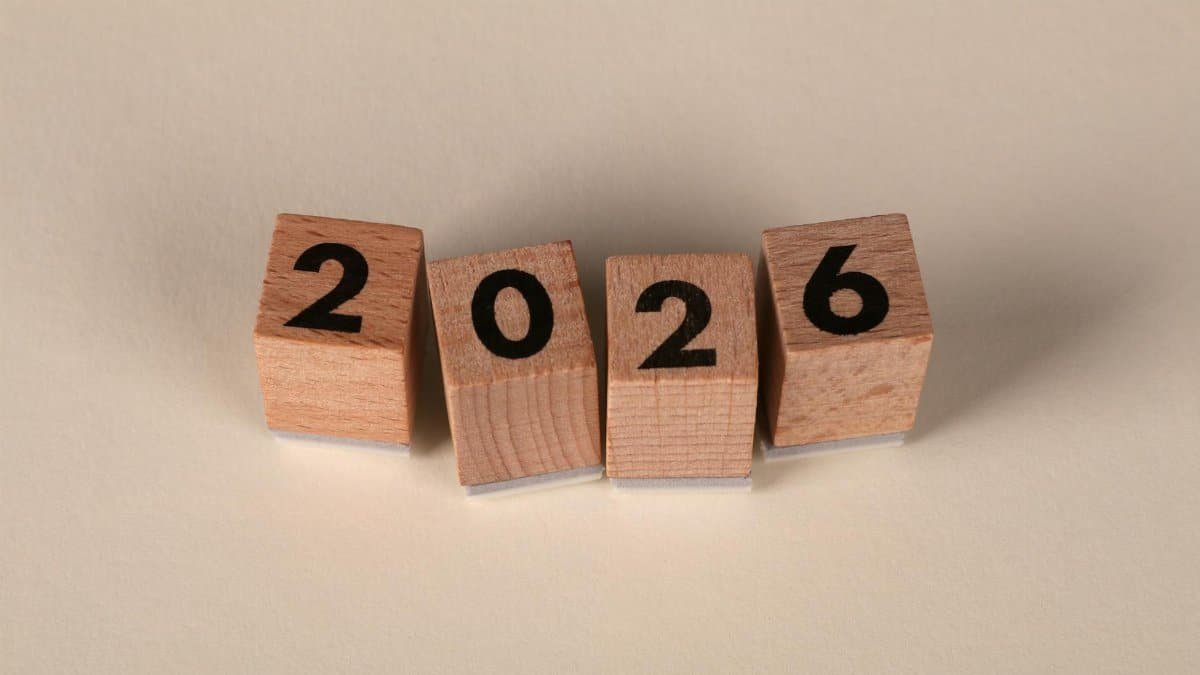
Heading into 2026, corporate dopamine fasts set a precedent. Major tech firms’ mandates influence rivals. Burnt-out teams recover, boosting morale. The “boredom is productivity” ethos spreads. U.S. workplaces eye similar policies amid burnout epidemics. This global shift redefines success: measured not in hours logged, but in mindful output.
Why Now? Timing of the Tech Shift

December 8, 2025, crystallizes the moment. Post-pandemic overload peaks. Major firms respond with fasts. No more ignoring team exhaustion. Mandatory pauses address root causes: dopamine-draining routines. The result? Healthier, more innovative groups ready for future demands.
Worker Reactions and Early Outcomes

Teams embrace the change. Burnt-out staff find renewal in silence. Major tech firms track gains in focus post-fast. The no-meetings rule clears mental clutter. Emails wait, creativity surges. Global rollout hints at widespread buy-in, positioning boredom as a competitive edge.
This corporate dopamine fast wave, rooted in saving burnt-out teams, challenges old norms. As major tech firms pioneer it, expect ripples across industries. Productivity redefined: through rest, not rush. (Word count: 812)