
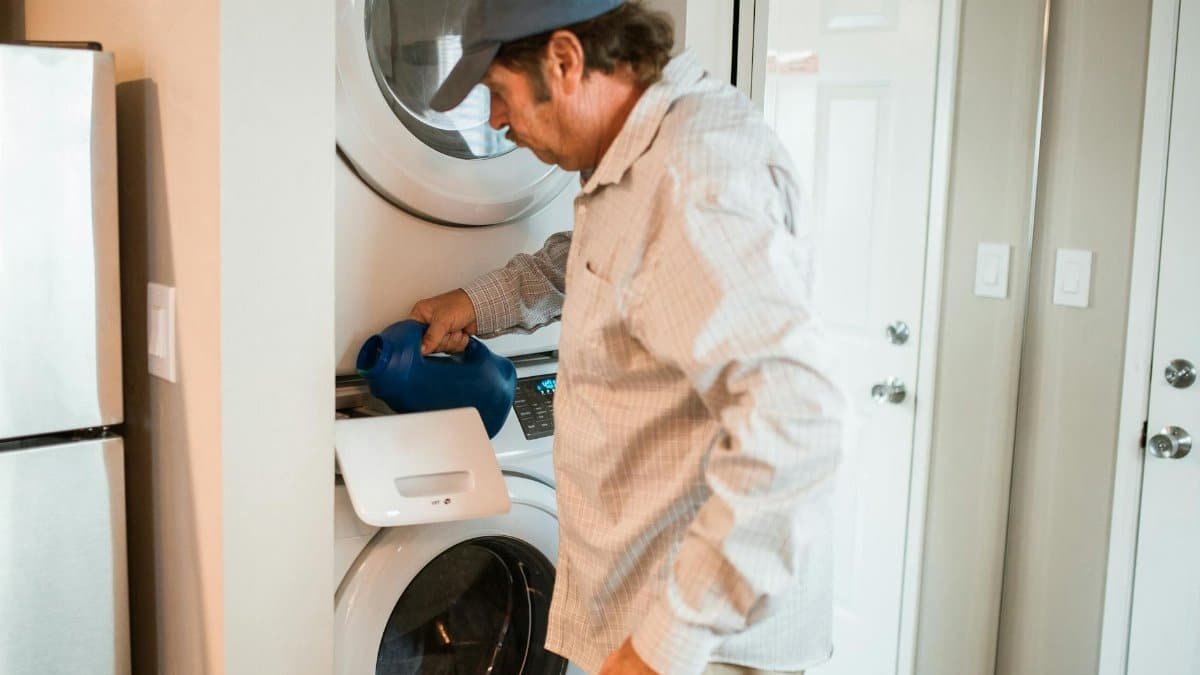
Is your go-to laundry pod convenience fueling a hidden pollution crisis? On February 7, 2026, environmental studies dropped a stark warning: the PVA coating on these pods fails to fully biodegrade. That plastic doesn’t just vanish. It fragments into laundry pod microplastics, infiltrating local waterways and threatening ecosystems. Consumers face a tough choice as evidence mounts against the pod popularity.
The Persistent Plastic Problem
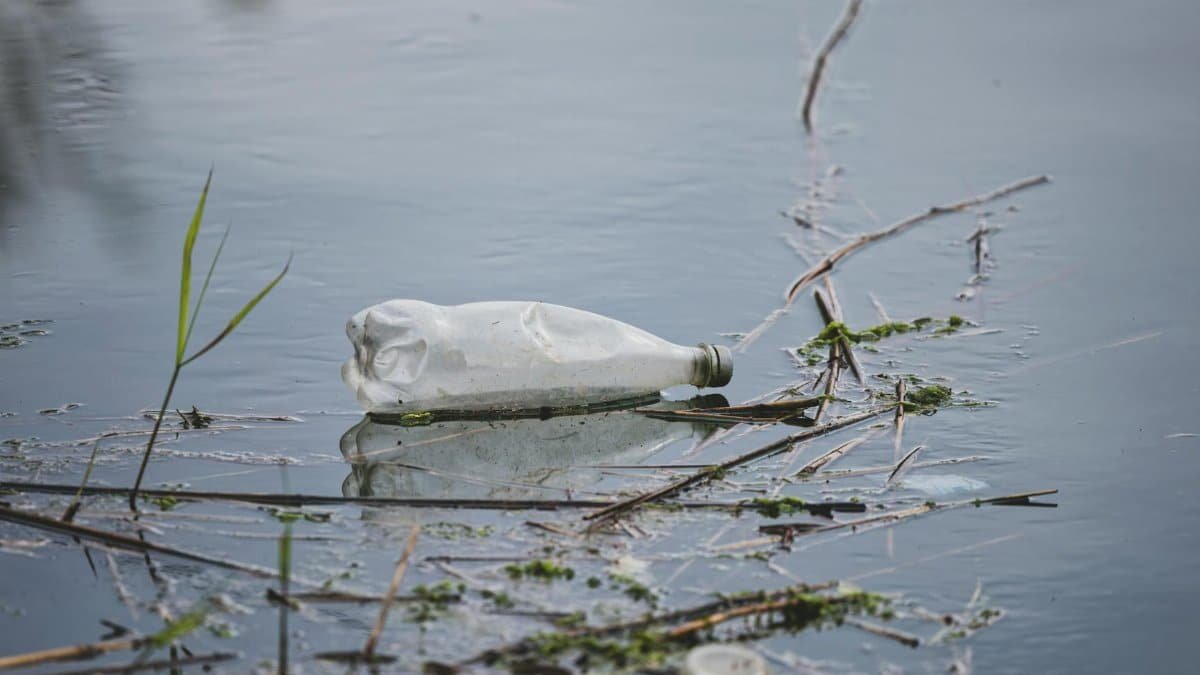
Laundry pods promise ease, but their plastic shells tell a different story. The PVA coating, designed for quick dissolution, lingers far longer than advertised. Environmental studies confirm it breaks down incompletely. Pieces shed into wastewater during washes. Those fragments persist, refusing to disappear as claimed. This revelation challenges the eco-friendly image pods project.
PVA Coating Under Scrutiny
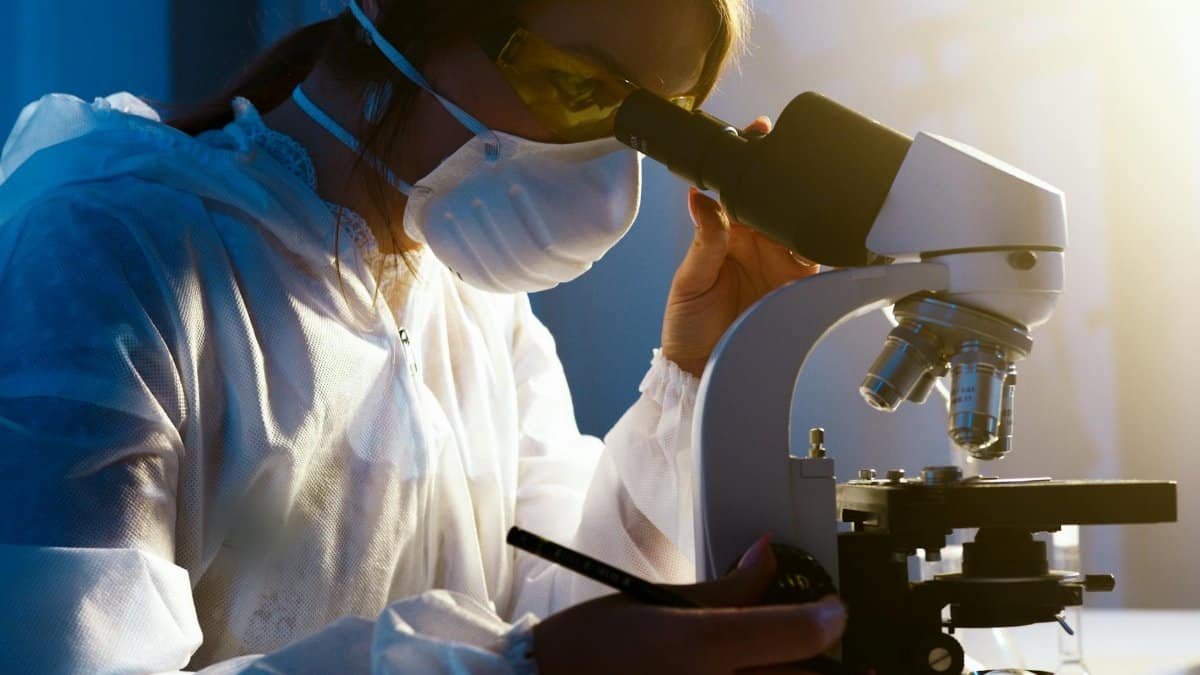
PVA, or polyvinyl alcohol, forms the thin film encasing detergent, enzymes, and softeners in pods. Manufacturers tout it as water-soluble. Yet studies show otherwise. In real-world conditions, PVA degrades partially at best. The rest morphs into tiny particles. These escape treatment plants, entering rivers and streams. The February 7 announcement underscores this gap between marketing and science.
Biodegradation Falls Short

True biodegradation means breaking down into harmless elements like water and carbon dioxide. PVA on laundry pods misses that mark. Environmental research highlights slow, incomplete processes. Cold water washes, common in energy-saving routines, worsen the issue. Particles remain intact longer. The plastic doesn’t disappear—it transforms. This partial decay fuels ongoing environmental harm.
Microplastics Emerge from Pods
Laundry pod microplastics arise directly from that PVA shell. Studies detect these specks in sewage outflows. Smaller than 5 millimeters, they evade filters. Washing machines release them with every load. Billions of pods used yearly amplify the output. By 2026, U.S. households contribute significantly to this stream of invisible pollutants.
For deeper insight, see this Environmental Working Group analysis on pod shedding in wastewater.
Path to Local Waterways

Microplastics from pods journey straight to local waterways. Wastewater treatment struggles with these nanoscale invaders. They slip through, reaching bays, lakes, and rivers near urban areas. Fish ingest them. Birds consume affected prey. The cycle builds up in food chains. Communities downstream bear the brunt, with pollution hitting home in everyday waters.
Studies Sound the Alarm
The February 7, 2026, findings draw from rigorous environmental studies. Researchers tracked PVA fate in simulated and real sewage systems. Results align: no full breakdown. Instead, persistent microplastics dominate. These reports urge reevaluation of pod reliance. U.S. trends in 2026 spotlight rising scrutiny on household plastics.
Supporting data appears in this Environmental Science & Technology Letters study on PVA persistence.
Ecosystems at Risk
Local waterways suffer direct hits from laundry pod microplastics. Sediments trap them, altering habitats. Aquatic life faces toxicity risks. Bioaccumulation threatens larger species. Human exposure looms via drinking water and seafood. The plastic doesn’t disappear—it accumulates, pressuring fragile balances in 2026’s strained environments.
Why Ditch Pods for Liquid
Pods’ PVA flaw tips the scale toward alternatives. Liquid detergents avoid synthetic coatings altogether. They dissolve fully without microplastic byproducts. Powder options work similarly. Switching cuts personal contributions to waterway pollution. Environmental studies back this shift as a practical fix. Households can act now, easing the load on local waters.
Consumer Action Steps

Start by checking labels for PVA-free claims, though studies question many. Opt for liquid pours in standard bottles. Use full loads to minimize washes. Support brands transparent on biodegradation tests. Advocacy grows in 2026—push for better regulations. The message is clear: end pod use to halt microplastic spread.
A Call for Cleaner Laundry Habits
The evidence piles up against laundry pods. PVA turns into enduring microplastics, dooming waterways. February 7 studies seal the case. U.S. consumers, rethink routines. Liquid detergents offer a cleaner path. Protect local ecosystems today. The plastic won’t disappear on its own—your choices can make it so.