
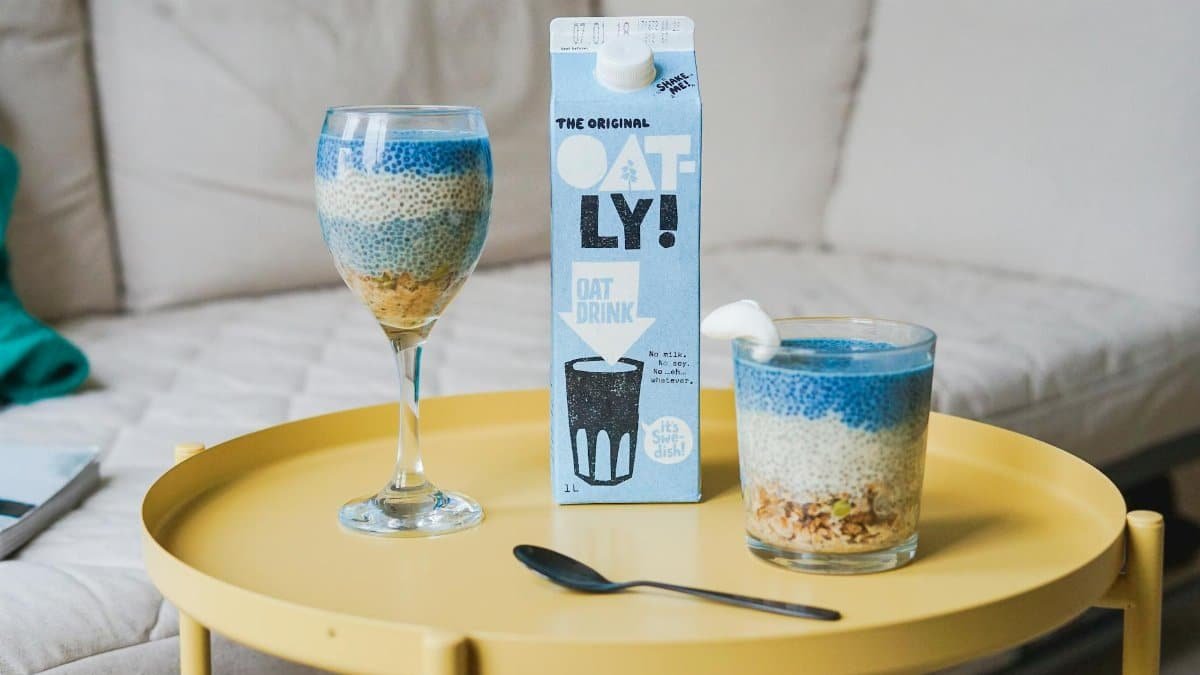
Is your morning latte pushing you toward pre-diabetes? On February 4, 2026, the “Glucose Goddess” delivered a stark warning: oat milk triggers blood sugar spikes on par with chugging a can of soda. This revelation hits hard for fans of the trendy plant milk, often splashed into coffees and smoothies. As oat milk glucose concerns mount, health watchers question its role in daily diets. The alert underscores a key risk in popular alternatives, urging a rethink before that next frothy drink.
The Glucose Goddess Warning
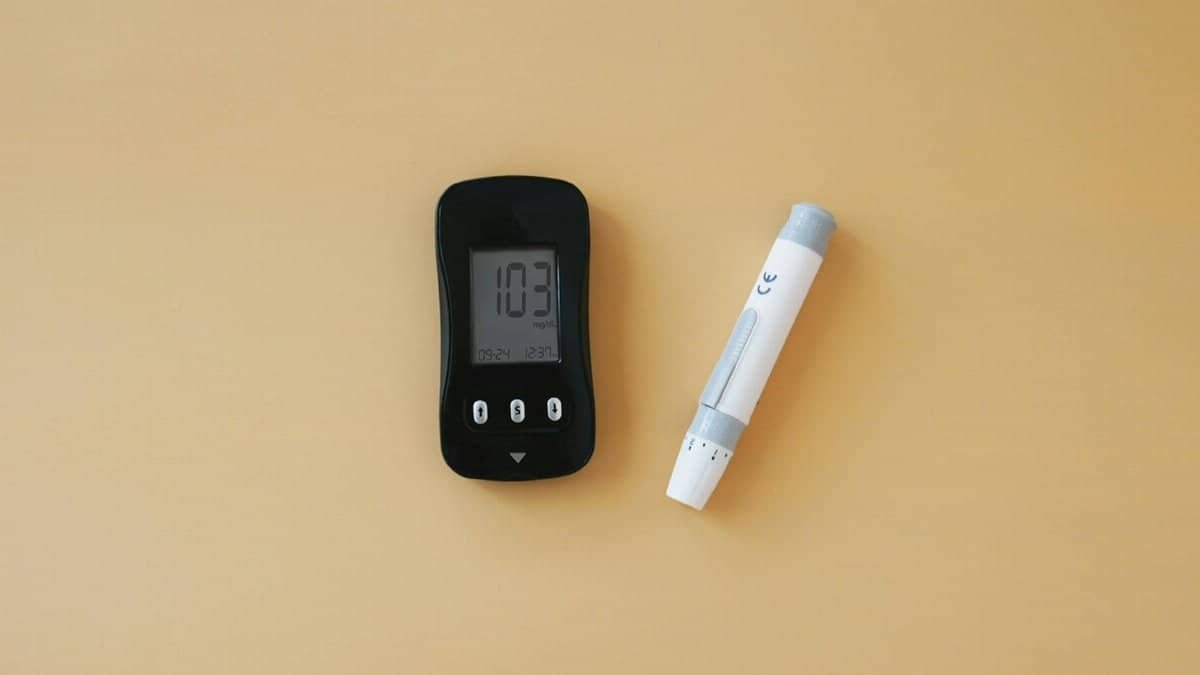
The “Glucose Goddess” cut straight to the chase on February 4, 2026. Her statement zeroed in on oat milk’s impact on blood sugar. She equated its glucose response to soda—a beverage notorious for rapid spikes. This isn’t casual advice. It’s a call to action for anyone sipping oat milk lattes. The warning spotlights how everyday choices fuel potential health issues. In a social media-savvy era, her voice carries weight among wellness seekers.
Oat Milk’s Blood Sugar Surprise
Oat milk has surged in U.S. cafes and grocery aisles. Yet the “Glucose Goddess” flags its oat milk glucose downside. Those spikes mimic soda’s jolt, sending blood sugar soaring fast. This happens because oat milk’s makeup delivers carbs that break down quickly. The result? A surge that stresses the body. Her February 4 alert ties this directly to pre-diabetes risks. Coffee lovers, take note: your favorite milk swap packs a punch.
Spikes Equivalent to Soda
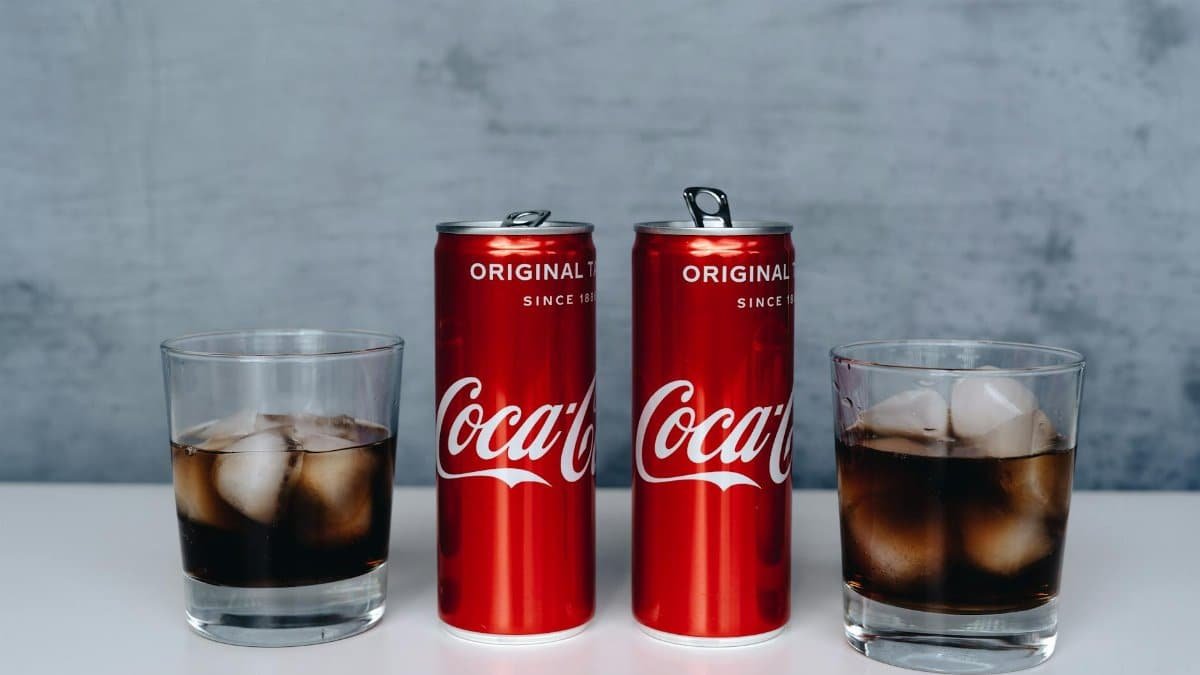
Picture the glucose hit from a soda can. Now apply it to oat milk. That’s the “Glucose Goddess” comparison from 2026. Blood sugar climbs sharply after consumption, much like sugary drinks. This equivalence isn’t hype—it’s her precise framing. For latte drinkers, it means a morning ritual could rival soda’s harm. The warning reframes oat milk as a hidden glucose offender. U.S. trends show plant milks booming, but this spotlights the cost.
Lattes Under Scrutiny

The summary question nails it: Is your latte making you pre-diabetic? Oat milk in coffees amplifies the issue. The “Glucose Goddess” ties oat milk glucose spikes to this combo. Add espresso, and the drink still delivers soda-level surges. Her February 4, 2026, message targets urban professionals grabbing oat lattes daily. It’s a wake-up for 2026 diets heavy on dairy-free options. Rethink that barista order.
Pre-Diabetes on the Horizon
Pre-diabetes looms large in the warning. Oat milk’s spikes contribute to this pathway. The “Glucose Goddess” links repeated surges to long-term risks. Soda comparisons drive the point home—frequent hits wear down glucose control. In the U.S., where plant milks dominate trends, this resonates. Her alert pushes for awareness before spikes become chronic. Check resources like the CDC Prediabetes Information for basics on blood sugar management.
Why Oat Milk Stands Out
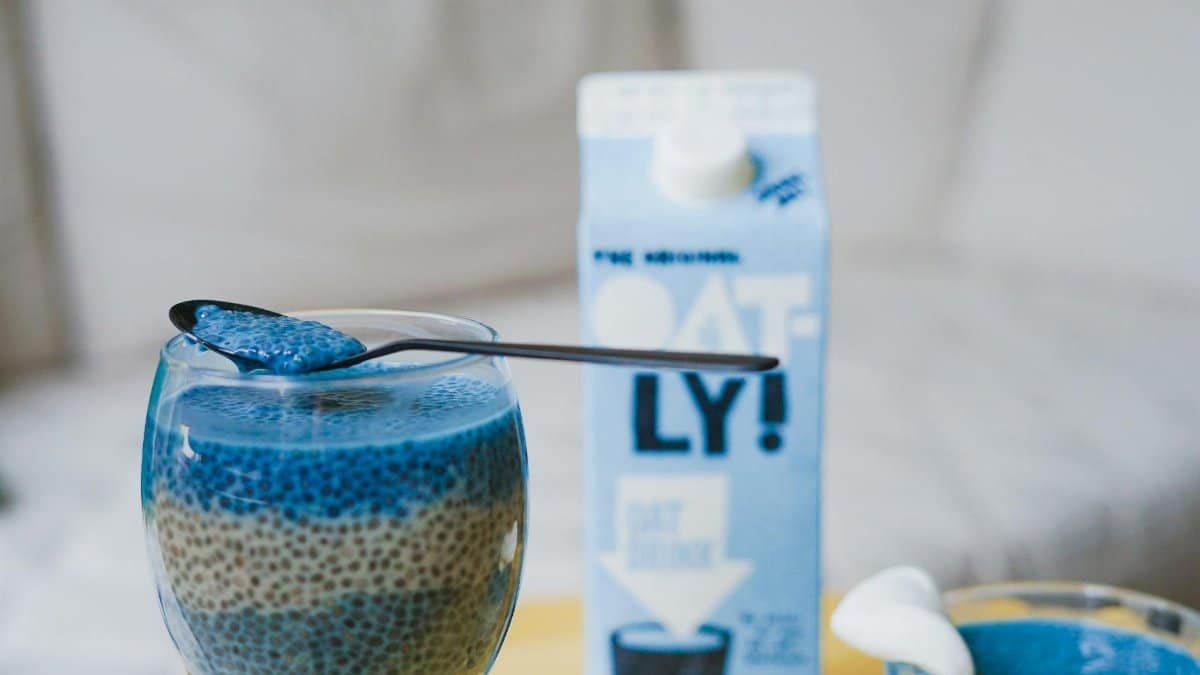
Among plant milks, oat milk draws fire for its glucose profile. The “Glucose Goddess” singles it out for soda-like effects. This sets it apart from other options. Her 2026 statement highlights how its formulation leads to quick sugar release. Daily users face cumulative spikes. The oat milk glucose factor challenges its “healthy” halo. Wellness influencers now dissect this in U.S. conversations.
Daily Diet Implications
Incorporate oat milk into breakfast or snacks? Expect those spikes. The “Glucose Goddess” warning extends beyond lattes. Her soda parallel warns of broader habits. For 2026 Americans chasing clean eating, it’s a pivot point. Oat milk glucose demands scrutiny in meal planning. Swap thoughtfully to dodge pre-diabetes territory. Her voice amplifies the need for informed choices.
Expert Credibility Boost

Who is the “Glucose Goddess”? Her platform focuses on stabilizing blood sugar through hacks. The February 4, 2026, oat milk alert fits her mission. She breaks down science into actionable warnings. U.S. audiences tune in for such insights. Visit the Glucose Goddess official website for her full approach. This bolsters her soda comparison’s punch.
U.S. Plant Milk Boom Meets Reality

Oat milk exploded in U.S. markets pre-2026. Cafes push it as creamy and sustainable. But the “Glucose Goddess” flips the script on oat milk glucose. Spikes rival soda, clashing with health claims. Her warning arrives amid rising pre-diabetes cases. It sparks debate on trendy swaps. For more on glucose control, see the American Diabetes Association Prediabetes page.
Call to Action for 2026

The “Glucose Goddess” doesn’t mince words: oat milk merits pause. February 4, 2026, marks the alert’s launch. Blood sugar spikes like soda signal real danger. Pre-diabetes isn’t distant—it’s in your cup. U.S. drinkers, reassess routines. Her message urges swaps that sidestep glucose drama. Stay vigilant as plant milk trends evolve.