
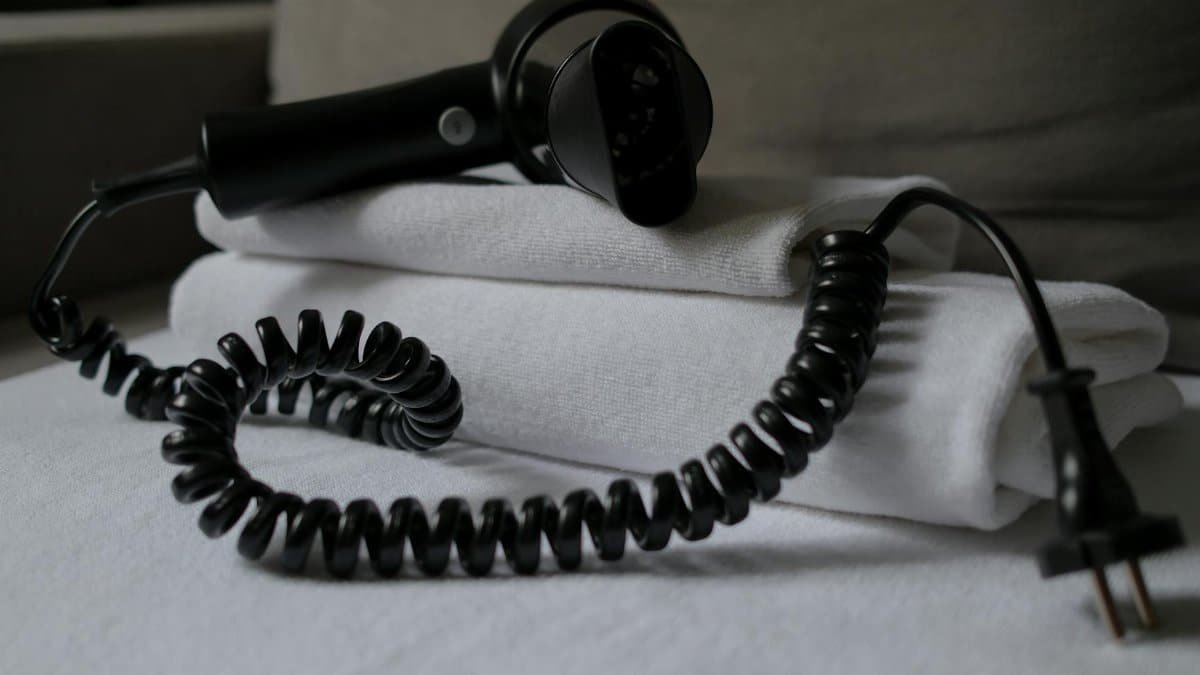
Think twice before grabbing that hotel hair dryer. Hotel hair dryer bacteria is no urban myth—microbiologists warn it’s a grim reality lurking in bathroom vents. On February 14, 2026, experts dropped a bombshell: these devices rarely get cleaned and actively suck in fecal bacteria from nearby open toilets, blasting it straight onto your freshly washed hair and face. Travelers, take note: the advice is clear—bring your own.
The Microbiologists’ Alert
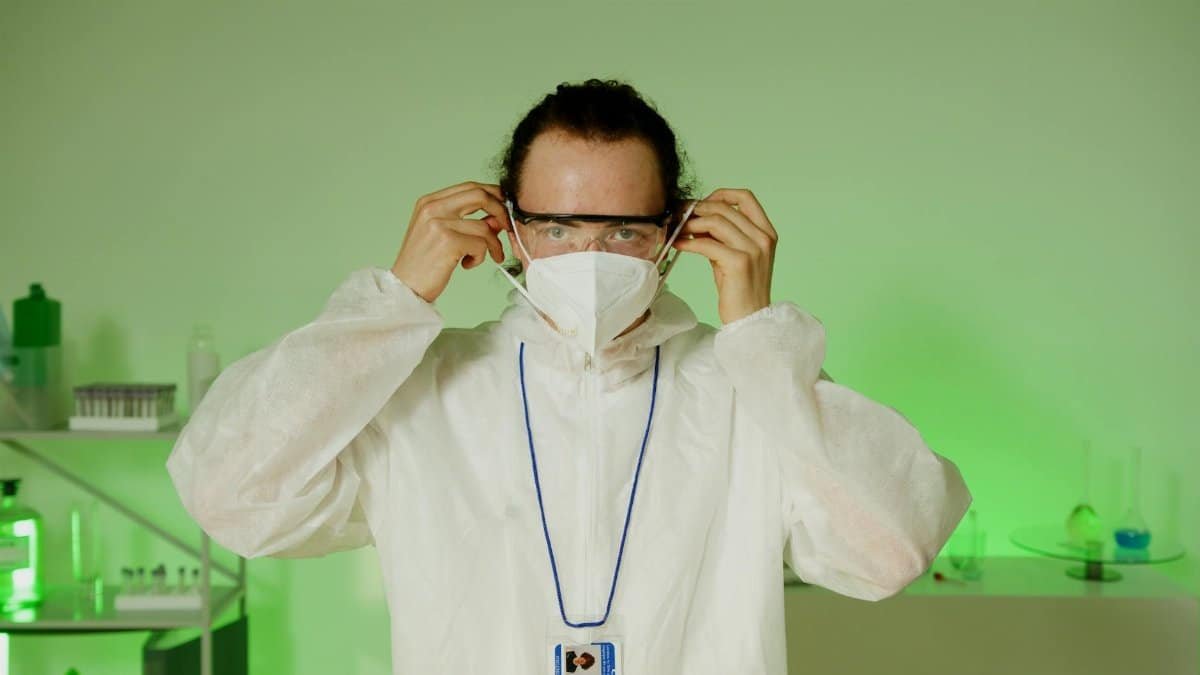
Microbiologists have long studied hidden hygiene hazards, and their latest revelation hits close to home—or rather, your hotel room. Announced on February 14, 2026, the findings underscore a simple truth: hotel hair dryers harbor dangerous contaminants. These pros examined devices across multiple locations, uncovering fecal matter traces that no guest expects. The message? Routine use exposes you to unseen risks every time.
How the Contamination Happens

It starts with the toilet flush. When you flush with the lid up—a common hotel habit—aerosolized plume erupts, carrying microscopic particles laden with fecal bacteria into the air. Hotel bathrooms often lack dividers or powerful exhaust fans, allowing this mist to drift toward the hair dryer intake. Once inside, bacteria like E. coli cling to the dryer’s filters and coils. No magic here—just physics and poor design.
Rare Cleaning Equals High Risk

Hotels prioritize linens and towels, but hair dryers? They fall through the cracks. Microbiologists report these appliances see infrequent deep cleans, if any. Dust, hair, and now fecal residues build up over months or years. Staff turnover and tight schedules mean surface wipes at best, never disassembly. In 2026, as U.S. travel rebounds post-pandemic, this oversight amplifies the problem for millions of guests.
Fecal Bacteria: The Invisible Culprit
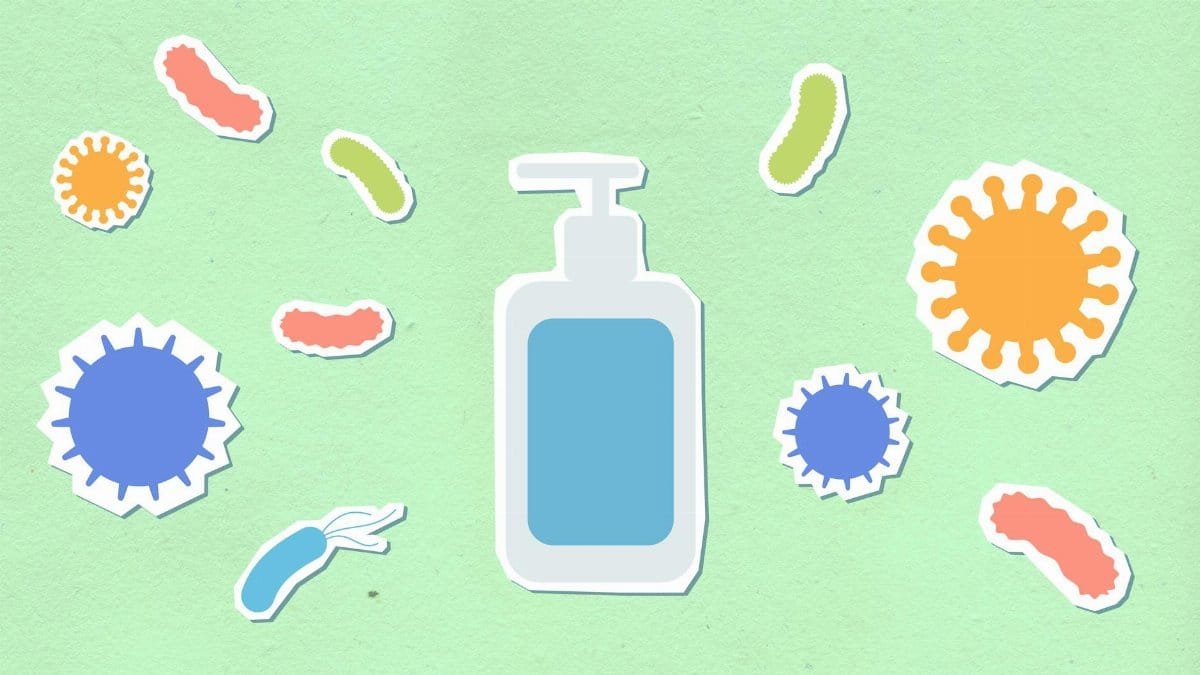
Fecal bacteria thrive in warm, moist environments like hair dryer innards. Studies on bathroom aerosols confirm this pathway. For instance, research from University College London details how toilet flushes propel bacteria up to six feet. Hotel dryers, positioned mere inches away, become perfect vacuums. The result: coliforms and pathogens ready to aerosolize onto your skin.
Direct Blast to Hair and Face

Turn on the dryer, and the fan pulls in contaminated air while heating it to 140 degrees Fahrenheit or more. This blasts bacteria-laden particles directly at point-blank range—your scalp, forehead, and mouth. Clean hair turns into a bacterial landing strip. Microbiologists emphasize the proximity: no filter blocks this assault. Your face gets the worst of it, inhaling what the toilet expelled.
Health Dangers You Can’t Ignore
Exposure isn’t just gross—it’s a gateway to infections. Fecal bacteria can trigger skin irritations, respiratory issues, or worse if you’re vulnerable. In immune-compromised travelers, risks escalate. U.S. health trends in 2026 show rising hygiene awareness, yet hotel stays remain a blind spot. Microbiologists link this to broader outbreaks, urging vigilance.
For deeper insight into aerosol transmission, see CDC guidelines on bathroom hygiene practices, which highlight ventilation flaws in shared spaces.
Why Hotels Lag on Prevention

Budget constraints and standardization play roles. Many chains use wall-mounted dryers for convenience, skipping regular maintenance protocols. Microbiologists note no industry-wide mandates exist for dryer sanitation. Unlike Europe, where some countries require lid-down flushes, U.S. hotels vary wildly. The 2026 disclosure pressures operators to act, but change is slow.
Expert Recommendation: Bring Your Own

The verdict is unanimous—pack a portable dryer. Compact travel models fit suitcases and eliminate risks. Microbiologists champion this fix: control your tools, dodge the bacteria. Airlines allow them in carry-ons, making it feasible. For 2026 road trips or business jaunts, this habit shifts from optional to essential.
Broader Travel Hygiene Shifts
This revelation ripples beyond dryers. U.S. travelers in 2026 are stocking sanitizers and UV wands, per emerging trends. Hotels face scrutiny, with some piloting lid protocols. Yet fecal bacteria in air vents remains a stubborn foe. Awareness from the February announcement empowers guests to demand better—or opt out.
Steps to Protect Yourself Now
Skip the dryer entirely if possible—air dry or pat towel. If desperate, cover the intake with a clean sock barrier, though microbiologists deem it insufficient. Flush with the lid down always. Wipe the exterior, but internals stay suspect. Report unclean units to management. In 2026, empowered guests rewrite hotel norms.
Looking Ahead for Cleaner Stays
Microbiologists call for mandatory dryer filters and quarterly disinfections. As U.S. hospitality evolves, this could spark regulations. Until then, the core advice stands: your hair, your rules. Bring your own, breathe easy, and let hotels catch up. The bacteria won’t wait.