
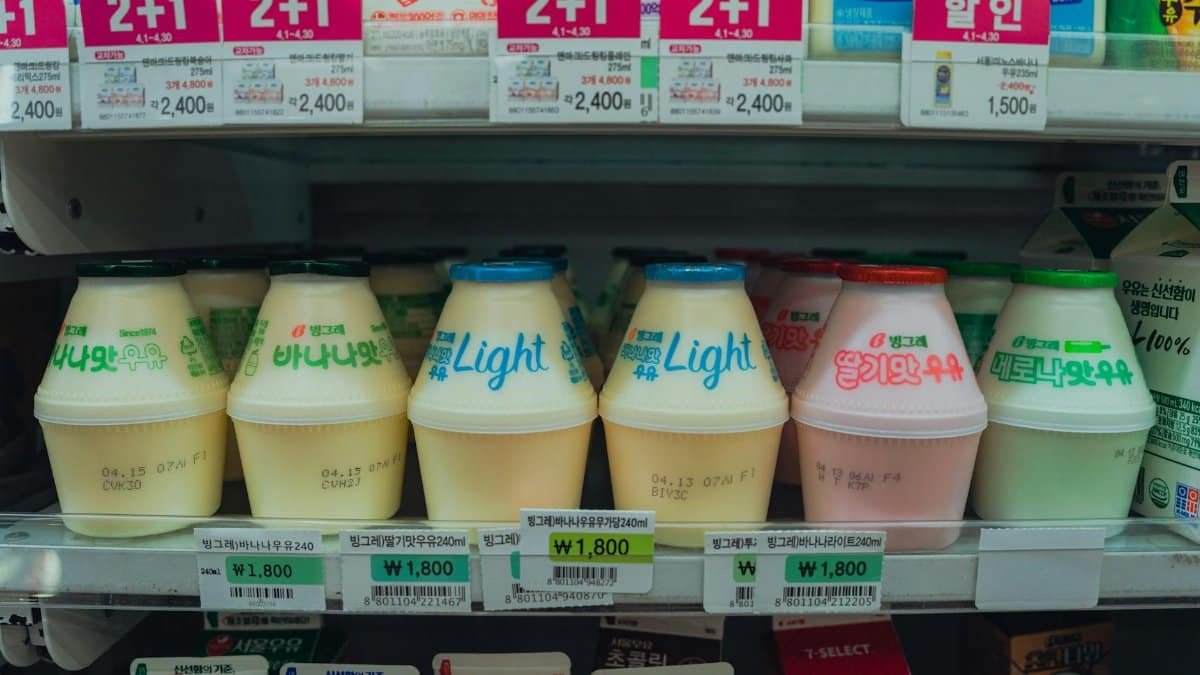
Is storing milk in the fridge door silently sabotaging your dairy supply? Dairy experts are sounding the alarm on this common habit. On February 12, 2026, they warned that the fridge door spot exposes milk to warm air with every opening, causing it to spoil days faster than expected. “Put it on the shelf,” they advise, urging a simple switch to preserve freshness and cut waste. This milk fridge door mistake hits households hard amid rising grocery costs.
Dairy Experts Sound the Alarm
Dairy specialists delivered a clear message on February 12, 2026. They targeted a widespread practice: placing milk in the fridge door. This position invites trouble, they say. Every fridge opening lets in warm room air. That air rushes toward the door shelves first. Milk absorbs the heat shift. Spoilage kicks in quicker. Experts push for change now.
The Fridge Door Trap
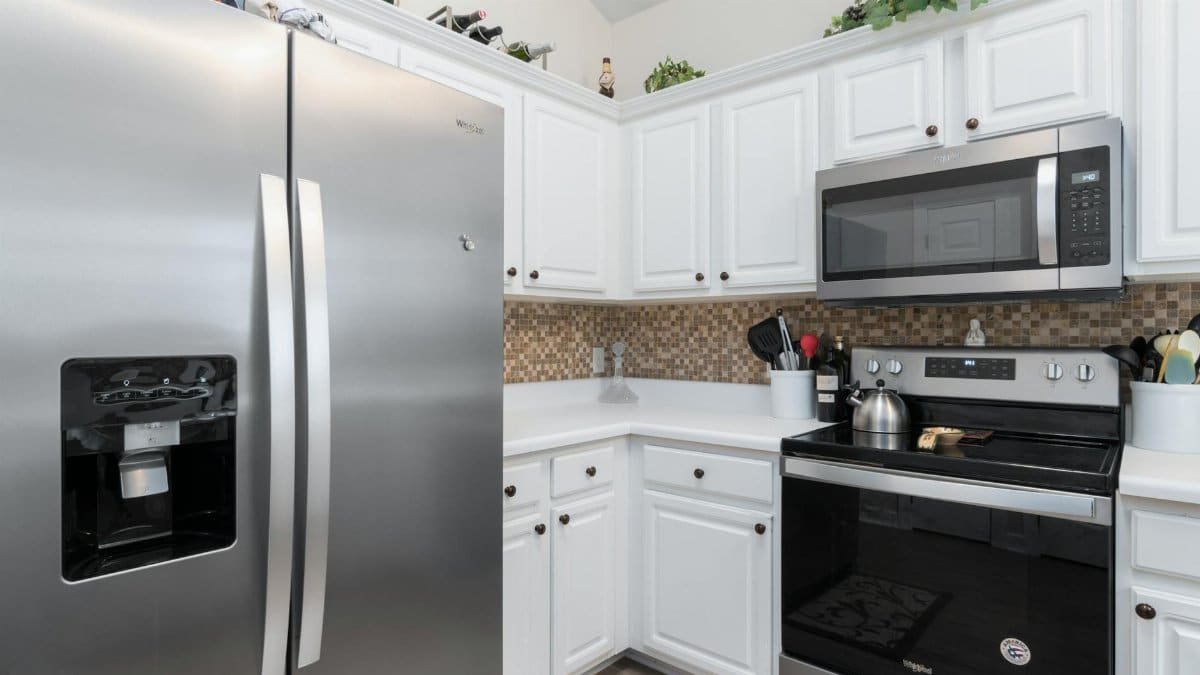
Fridge doors swing open multiple times daily. Each time, temperatures spike inside. Door shelves sit farthest from the cooling core. They warm up fastest. Milk bottles or cartons there face constant flux. Stable cold matters for dairy. Doors fail that test. The result? Milk turns sour ahead of schedule.
Warm Air’s Hidden Role

Warm air infiltration drives the problem. Room temperature hovers around 70 degrees Fahrenheit. Fridge interiors aim for 37 to 40 degrees. Doors act as gateways. Open the fridge for butter or condiments. Warm air floods in. It clings to door contents. Milk proteins and fats react. Bacteria thrive in the mild warmup. Days of shelf life vanish.
For precise fridge temperature guidance, check the FDA’s Refrigerator Thermometers page. It stresses consistent cold to prevent spoilage.
Spoilage Hits Days Faster

Experts quantify the hit: milk spoils days faster in the door. A carton meant for two weeks might sour in ten. Households toss it early. Waste mounts. Grocery bills climb. This isn’t minor. In 2026, with food prices up, every day counts. Dairy pros highlight the math. Door storage shortens usability. Shelf life shrinks predictably.
Shift to the Shelf Solution
“Put it on the shelf.” That’s the expert directive. Main fridge shelves stay coldest. They hug the back wall and coils. Temperatures hold steady there. Milk thrives in that zone. No wild swings. Freshness lasts longer. The switch demands little effort. Just relocate the jug. Results follow fast.
Why Shelves Outperform Doors

Shelves win on physics. Fridges cool from back to front. Doors lag behind. USDA data backs ideal spots. Milk belongs mid-to-back on shelves. There, it dodges air bursts. Door items jostle more. They warm, cool, repeat. Shelf milk avoids the cycle. Dairy experts nod to this layout. It’s built-in design sense.
USDA refrigeration basics confirm door shelves fluctuate most, per their Refrigeration Guidelines.
Household Waste Realities
This milk fridge door habit fuels waste. Families pour out spoiled milk weekly. In 2026, trends show pinched budgets. Dairy makes up a chunk of spends. Faster spoilage bites deeper. Experts tie it direct: door storage equals thrown cash. Switch shelves. Save days. Stretch dollars. Simple math rules the kitchen.
Expert Consensus Builds

Dairy voices unite on the warning. From processors to nutritionists, the call rings clear. February 12, 2026, marked the push. Media picked it up fast. Fridge myths crumble under facts. Warm air exposure proves the villain. Shelf storage emerges as hero. No debate lingers. Act on the advice.
Daily Kitchen Adjustments
Make the move today. Clear a shelf spot. Slide milk there. Keep it upright, capped tight. Door suits jars or small items. Not gallons. Watch freshness extend. Sour smells fade. Experts promise the payoff. In 2026’s cost-conscious homes, this tweak shines. Dairy lasts. Wallets thank you.
Broader food safety charts from the USDA reinforce dairy placement away from doors to maintain quality.
2026 Food Storage Wake-Up
This warning lands timely. Grocery inflation presses families. Milk fridge door errors amplify losses. Dairy experts lead the charge. Their February alert sparks change. Kitchens nationwide rethink shelves. Spoilage slows. Habits evolve. Fresh milk stays standard. The shelf rule sticks.