
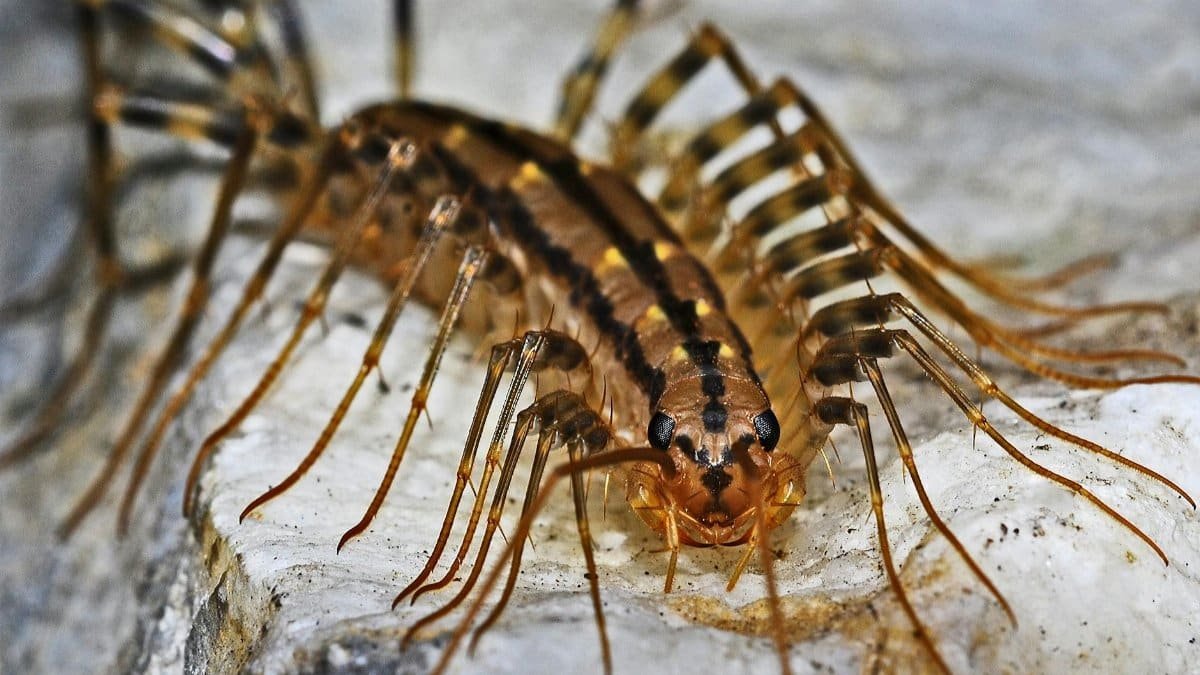
That long-legged creature scurrying across your bathroom floor might look like a nightmare, but entomologists insist it’s an ally. On February 12, 2026, experts urged homeowners to rethink squishing house centipedes, highlighting their role as ferocious predators of far worse household invaders. House centipede benefits extend to natural pest control, devouring roaches, termites, and silverfish without chemicals or cost. Far from foes, these speedy hunters keep infestations in check.
The Terrifying Look of House Centipedes
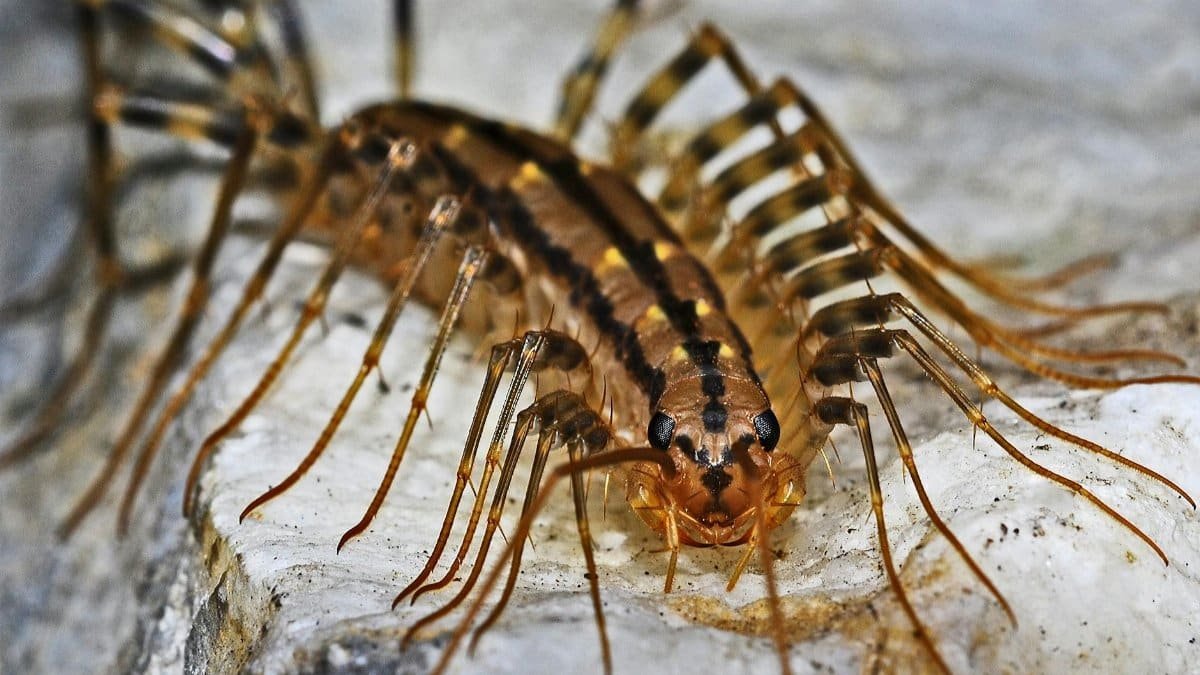
House centipedes strike fear with their elongated bodies, dozens of spindly legs, and lightning-fast movements. Often spotted in damp basements or bathrooms, they evoke instant revulsion. Yet this alarming appearance hides their value. Entomologists emphasize that their scary visage belies a beneficial nature, positioning them as unintended guardians in homes across the U.S.
Entomologists’ Clear Warning

“Never squish a house centipede,” declare entomologists in a stark February 12, 2026, advisory. These experts, studying insect behaviors, view the creatures as vital to indoor ecosystems. Killing them disrupts natural balances, potentially allowing pest populations to surge. Their message resonates amid 2026’s push for eco-friendly home maintenance.
Ultimate Predators in Action
House centipedes earn their “ultimate predator” status through aggressive hunting. Equipped with venomous forcipules and exceptional speed—up to 16 inches per second—they overpower prey many times their size. This prowess makes them indispensable for controlling household threats, offering house centipede benefits that rival professional extermination.
Targeting Roaches Effectively
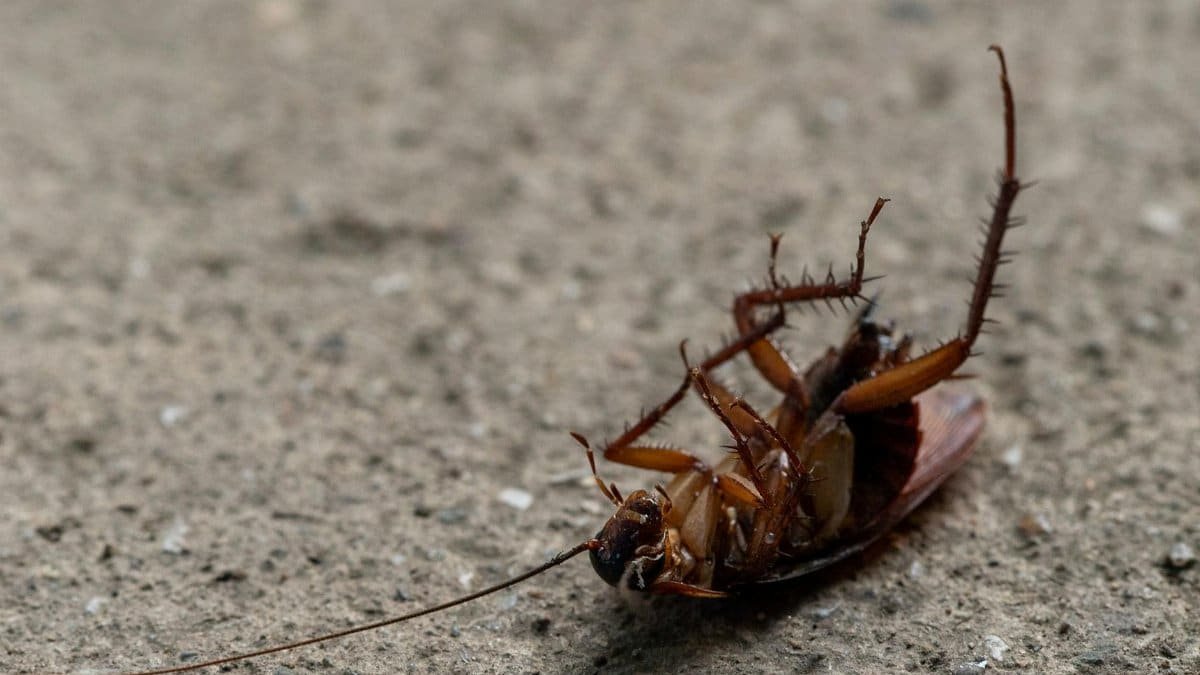
Roaches top the list of house centipede prey. These resilient pests spread bacteria and trigger allergies, thriving in cracks and crevices. House centipedes stalk them relentlessly at night, injecting venom to immobilize and consume. Homeowners benefit from this free service, reducing roach numbers without sprays or traps. For details on their predatory habits, see Penn State Extension.
Devouring Termites Stealthily
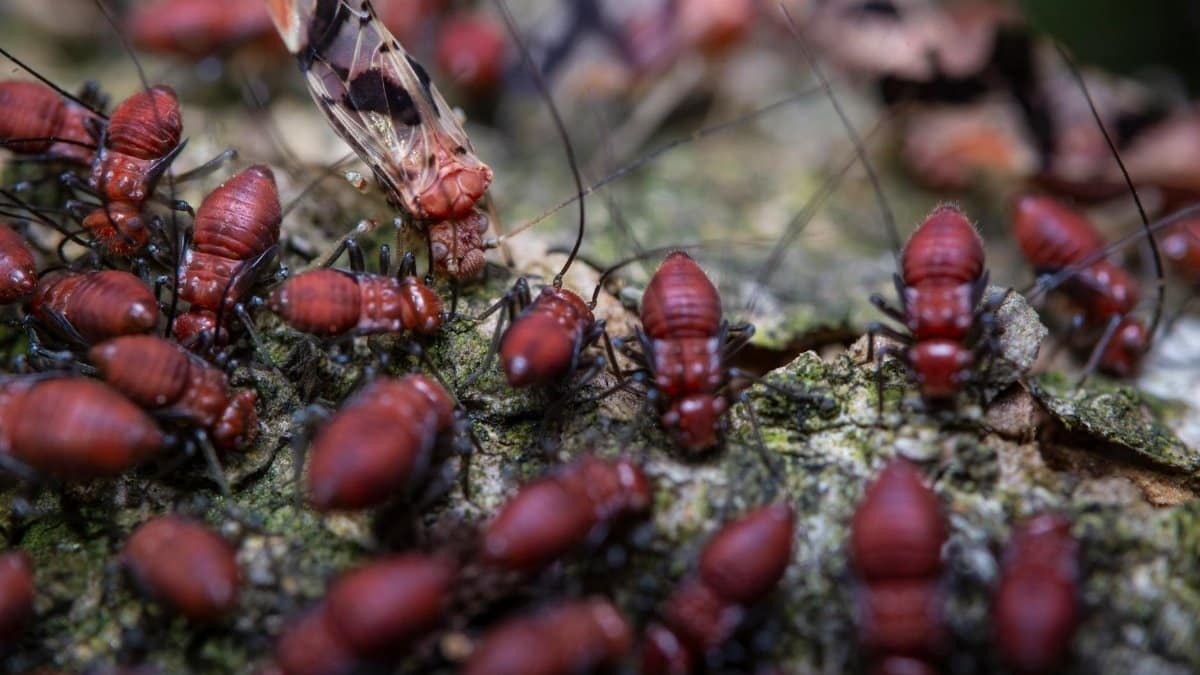
Termites pose a silent danger, chewing through wood and causing structural damage costing billions annually. House centipedes hunt them voraciously, especially in moist areas where termites nest. By preying on winged reproductives and workers, they curb colony growth. This natural defense underscores house centipede benefits in preventing costly infestations before they escalate.
Eliminating Silverfish Threats

Silverfish, those scaly speedsters damaging books, wallpaper, and clothing with their starch-munching habits, fall prey to house centipedes too. These nocturnal hunters detect vibrations and pounce, ensuring silverfish populations dwindle. In 2026, as sustainable living gains traction, embracing such predators aligns with reduced chemical use in homes.
Why They’re on Your Side

Despite their fright factor, house centipedes pose no threat to humans or pets—their venom targets only small insects. They thrive in the same damp spots as their prey, turning problem areas into patrol zones. Entomologists note this symbiosis: homes with centipedes often report fewer other pests, amplifying house centipede benefits organically.
Natural Pest Control Advantages
Unlike chemical treatments that harm beneficial insects and pollute waterways, house centipedes provide targeted control. They reproduce slowly, avoiding overpopulation, and focus solely on pests. This efficiency supports 2026 trends toward integrated pest management, where letting nature handle nuisances saves time and money. Research backs this, as outlined in University of Kentucky Entomology.
Homeowner Strategies for Coexistence

To maximize house centipede benefits, reduce lighting in moist areas to encourage their presence without encounters. Seal entry points for other pests, enhancing their hunting grounds. If sightings spike, it signals underlying issues like leaks—address those, and centipedes will follow their food source. Experts stress patience: these allies work invisibly overnight.
Shifting Perceptions in 2026

The February 12 advisory marks a mindset shift. Social media buzz in early 2026 shows homeowners sharing centipede sightings with new appreciation, ditching the knee-jerk smash. Entomologists predict wider adoption of this “live and let live” approach, especially as pest pressures rise with climate shifts. For more on beneficial arthropods, check Ohio State University Extension.
House centipedes may haunt dreams, but their pest-hunting reality offers real relief. Next time one dashes by, remember: it’s fighting your battles.