
Doctors have issued a stark warning: stop the bone smashing trend before it causes irreversible harm. On January 25, 2026, medical professionals voiced terror over this viral phenomenon sweeping teens. Participants deliberately break their own facial bones, hoping to sculpt a sharper jawline. What starts as a social media dare spirals into serious injury. Experts fear a surge in emergency room visits as the practice gains traction online. The message is clear—self-inflicted trauma offers no beauty benefits, only devastation.
What Is Bone Smashing?
Bone smashing involves teens striking their faces with blunt objects to fracture bones. The goal? A redefined jawline that mimics chiseled celebrity features. Proponents claim repeated impacts reshape bone structure over time. This dangerous method ignores basic anatomy. Facial bones, including the jaw, mandible, and zygoma, heal improperly without surgical precision. Doctors label it pseudoscience wrapped in viral hype. The trend exploded on platforms where quick fixes promise transformation. Reality hits harder than any hammer.
The Rise Among Teens

Teens drive the bone smashing trend, lured by promises of aesthetic perfection. Social media videos showcase before-and-after claims, fueling curiosity. In 2026, peer pressure amplifies the risk. Young faces, still developing, suffer most from such abuse. What seems like a harmless challenge becomes a gateway to chronic pain. Medical reports highlight a pattern: users start small, escalate strikes, and chase elusive results. The demographic most vulnerable seeks validation through extreme measures amid beauty standards.
Doctors’ Terrified Warning

On January 25, 2026, physicians united in alarm. “Stop hitting yourself,” they urged, emphasizing the trend’s brutality. Terror stems from predictable outcomes: shattered bones lead to misalignment and function loss. Experts from hospitals nationwide decry the practice as self-mutilation disguised as enhancement. Early interventions now flood clinics. The collective plea underscores urgency—no safe way exists to smash bones for looks. Professional voices cut through online noise, prioritizing health over trends.
Mechanics of Facial Bone Breaks
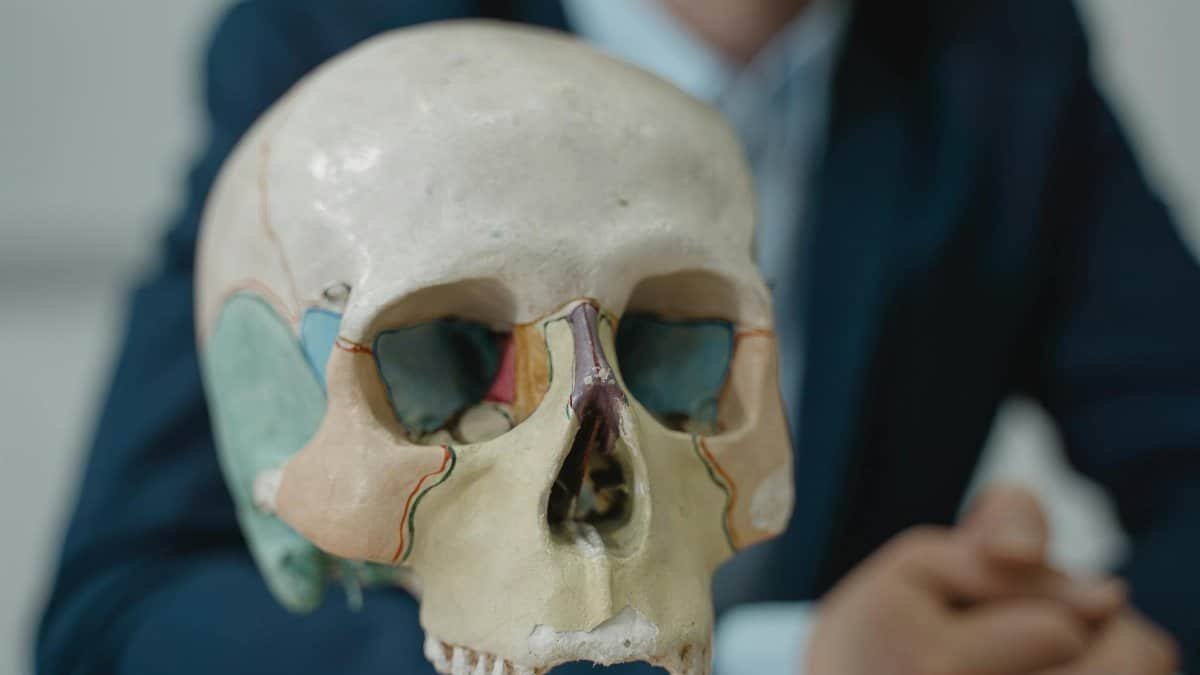
Striking the jaw or cheeks targets dense bone areas. Force mimics blunt trauma from accidents, not controlled remodeling. Bones crack, swell, and attempt self-repair in distorted shapes. Jawlines warp unevenly, creating asymmetry worse than before. Teens overlook healing complexities—improper fusion invites arthritis early. Blood vessels rupture, nerves compress, leading to numbness or paralysis. This trend defies Wolff’s Law, where bone adapts to stress, not destruction. Medical consensus: targeted breaks demand expert intervention, never DIY hammers.
Immediate Health Risks
Beyond fractures, bone smashing triggers infections from open wounds. Swelling impairs breathing or eating. Concussions lurk with each blow, risking brain injury. For details on traumatic brain risks, see the CDC’s Traumatic Brain Injury page. Teens face dental damage too—teeth loosen or shatter. Emergency care surges as complications mount. Doctors report cases of sepsis and vision loss from orbital fractures. No viral video prepares for these realities.
Long-Term Consequences
Permanence defines bone smashing fallout. Healed bones form calluses, but misalignment persists. Jaw function falters: chewing, speaking, even smiling hurts. Chronic pain dominates daily life. Surgeons face uphill battles correcting amateur damage. Aesthetic goals backfire—faces appear bloated or crooked. For insights on facial fracture outcomes, refer to the Mayo Clinic’s broken jaw overview. Teens gamble futures on fleeting trends, regretting choices years later.
Viral Spread Fuels Danger
Social platforms propel bone smashing into 2026’s spotlight. Short clips glorify results, downplay pain. Algorithms reward extremes, exposing millions. Teens mimic without context, turning dares into habits. Doctors warn of copycat surges post-popular posts. The trend thrives on insecurity, preying on youth desperate for change. Countering requires platform accountability and parental vigilance. Until then, warnings echo amid scrolling feeds.
Why Experts Say Never Try It

Medical pros unanimously condemn bone smashing. No evidence supports cosmetic gains; all data shows harm. Safer paths exist through orthodontics or therapy addressing root insecurities. The January 25 warning crystallized a crisis: trends eclipse safety. Hospitals brace for peaks, urging influencers to pivot. Families must intervene early. Bone smashing trend offers illusion, delivers ruin. Heed the call—protect faces from fists.
In 2026, as bone smashing grips screens, doctors stand firm. Prevention beats reconstruction. Teens deserve better than hammers for confidence.