

In 2026, Americans face a stark reality: home and work leave little room for genuine connection. Enter the third place trend—the urgent hunt for spots like cafes, parks, or clubs where people can simply exist without agenda. Dated January 15, this push stands as the year’s most critical mental health quest, countering isolation in daily routines.
What Defines a Third Place?

A third place sits outside the binaries of home and work. It offers neutral ground for low-pressure socializing. Cafes buzz with quiet conversations over coffee. Parks invite lingering walks or bench chats. Clubs provide structured yet relaxed gatherings. These spaces prioritize being over doing, filling a void in modern life. The trend highlights their role as essential escapes from structured environments.
Home and Work Fall Short
Home serves rest and family. Work demands productivity. Neither fosters the casual “just existing” that sustains mental well-being. The third place trend emerges from this gap. People crave environments free from obligations. Without them, routines breed disconnection. In 2026, this hunt gains traction as awareness grows about unbalanced lifestyles.
The Mental Health Imperative
Mental health hinges on community ties. The third place trend positions these spots as lifelines against loneliness. Existing without performance reduces stress. Informal interactions build resilience. This quest tops 2026 priorities because isolation erodes well-being. Public health data underscores social connection’s role, as noted in the U.S. Surgeon General’s advisory on social connection.
Cafes as Everyday Anchors
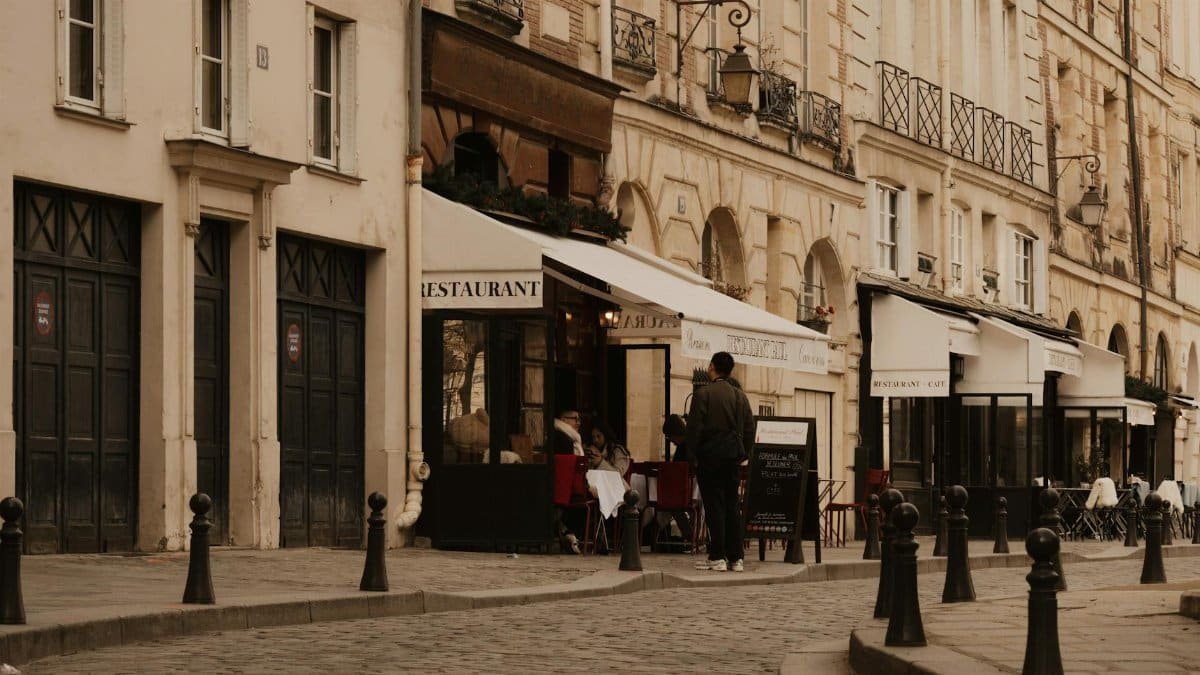
Cafes embody the third place ideal. Patrons linger with laptops or books, nodding to regulars. No rush, no sales pitch—just presence. This trend revives their status as community hubs. In urban and suburban U.S. settings, they counter remote work’s isolation. The simple act of sharing space sparks unexpected bonds.
Parks: Nature’s Neutral Ground
Parks offer open-air third places. Benches, paths, and green spaces welcome all. People picnic, jog, or people-watch without commitment. The trend emphasizes their accessibility. Free and public, parks democratize belonging. Amid 2026’s mental health focus, they stand out for promoting calm amid chaos.
Clubs Foster Deeper Ties
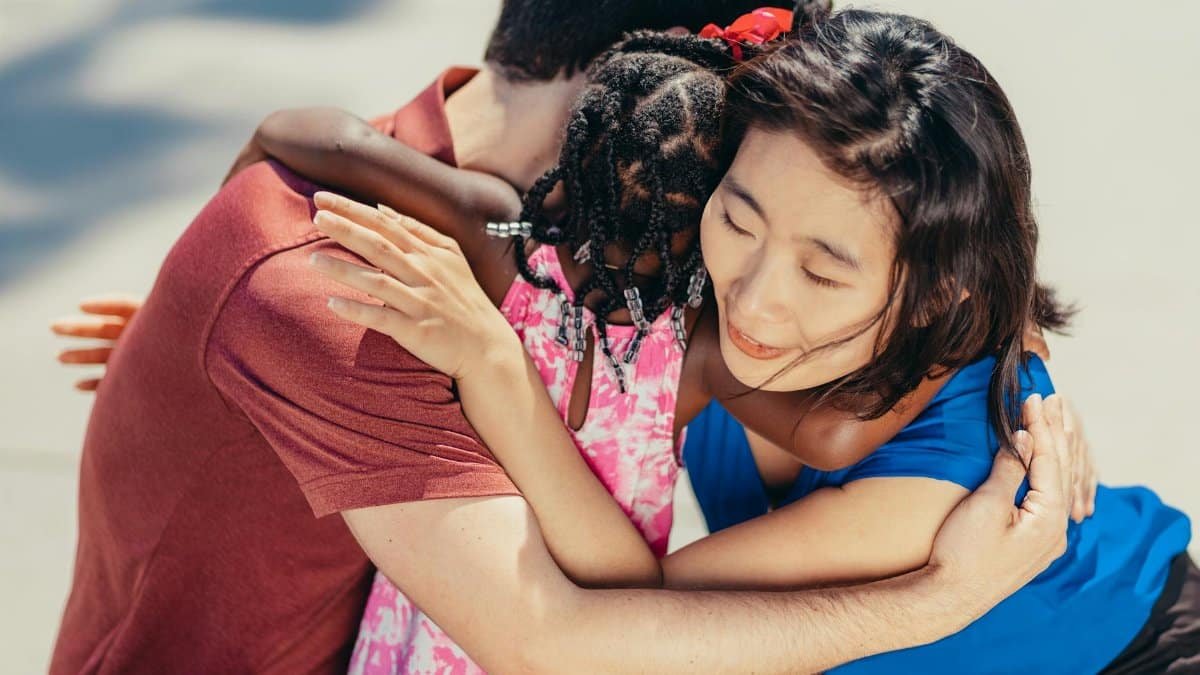
Clubs provide themed third places—book groups, hobby meetups, or game nights. Shared interests ease entry. Members exist together, building rituals over time. This trend values their structure without rigidity. They address the quest for consistent community, vital for long-term mental health.
The 2026 Quest Takes Shape
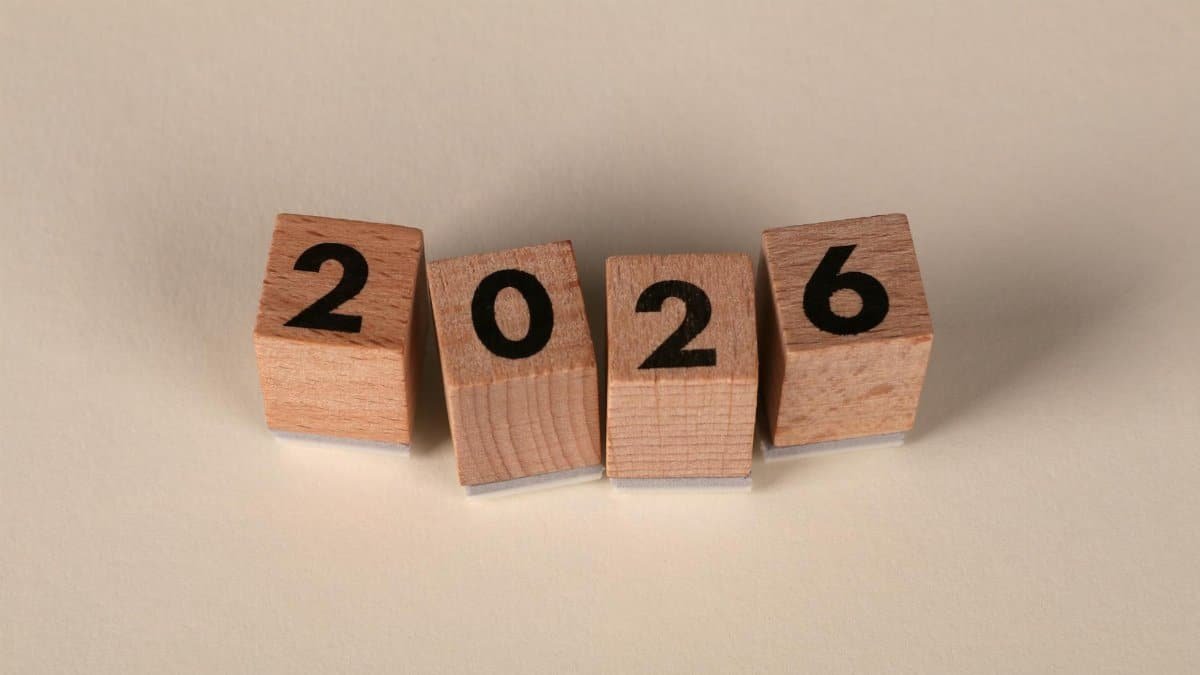
January 15 marked a turning point. Headlines framed the third place hunt as 2026’s defining mental health pursuit. Home-work dominance sparked urgency. U.S. trends show rising demand for these spaces post-pandemic. The movement challenges isolation head-on, urging intentional space-seeking.
Broader Societal Shifts

The third place trend signals cultural recalibration. Work-from-home blurs boundaries, amplifying needs for external anchors. Mental health advocates push cafes, parks, and clubs as solutions. Federal resources highlight connection’s health benefits, per CDC mental health guidelines. In 2026, this hunt redefines balance.
Why the Hunt Matters Now
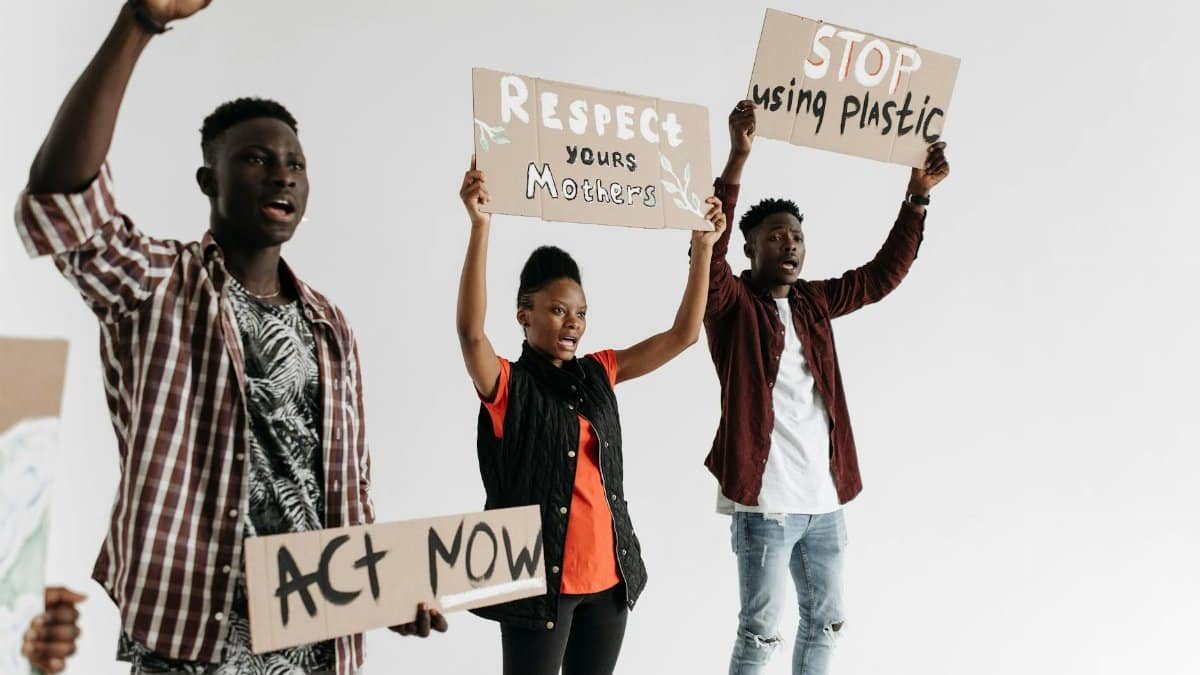
Ignoring third places risks deeper divides. The trend warns of mental health crises without them. Simple existence in welcoming spots rebuilds social fabric. 2026 positions this as non-negotiable. Communities investing in such spaces see ripple effects—stronger residents, vibrant neighborhoods. The quest demands action today.