
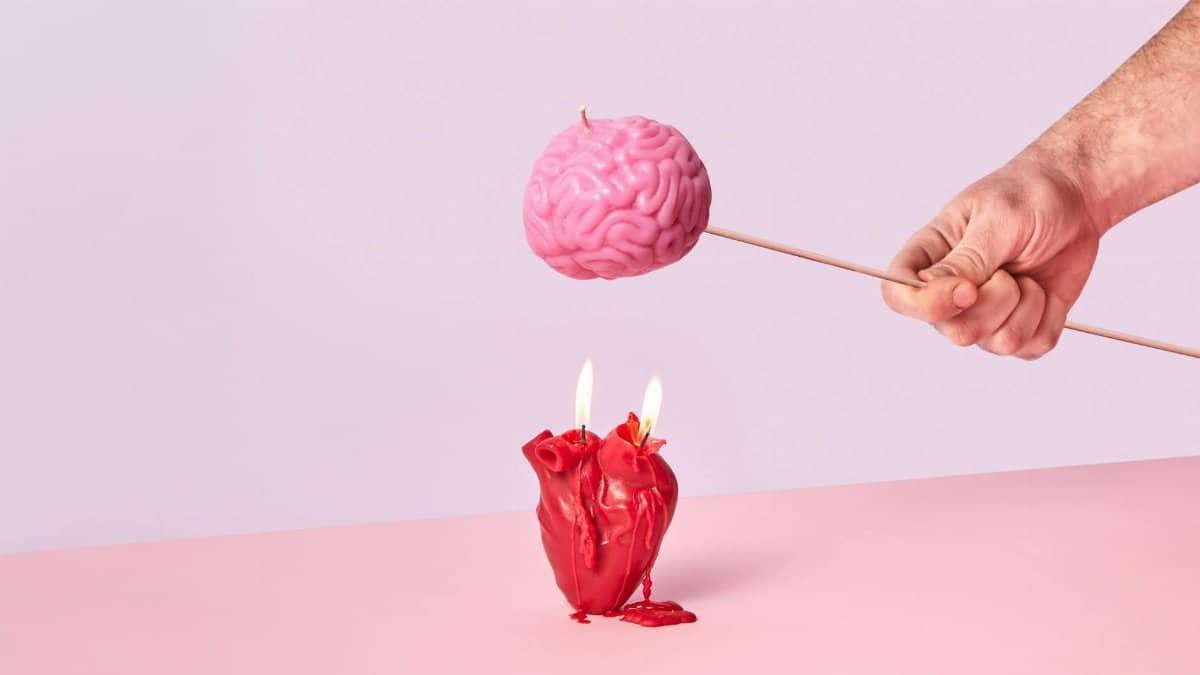
Did you know that 80% of New Year’s resolutions fail by February? That’s according to a study from the University of Scranton. This startling stat highlights a deeper issue: why we can’t stick to habits, and it’s all tied to our brains. Enter awareness selfcare, a growing trend that combines mindfulness with self-maintenance to rewire neural pathways. In 2025, as more Americans grapple with post-pandemic burnout, this approach is gaining traction for building lasting routines. But does it really work? Let’s break it down.
The Brain’s Role in Habit Formation

Habits aren’t just willpower battles; they’re brain games. The basal ganglia, a key area for routine behaviors, forms loops that make actions automatic. When you try to build a new habit like daily exercise, your brain resists change to conserve energy. This resistance often leads to failure. Awareness selfcare steps in by promoting mindful observation of these patterns, helping you interrupt the cycle. Experts say it’s like hitting a mental reset button.
Why Awareness Matters More Than You Think
Without awareness, selfcare is just going through the motions. Think about it: scrolling through wellness apps without tuning into your thoughts won’t cut it. Awareness selfcare emphasizes being present, spotting triggers that derail habits. For instance, stress eating might stem from unnoticed anxiety. By cultivating this skill, you address root causes. A 2023 report from the American Psychological Association notes that mindful practices boost habit adherence by 25%. Check it out at APA Mindfulness Resources.
Common Pitfalls in Building Habits

Many flop because they ignore the brain’s wiring. Overloading with too many changes at once overwhelms the prefrontal cortex, the decision-making hub. Or, rewards feel too distant, so dopamine hits fade. Awareness selfcare counters this by encouraging small, intentional steps. Track your moods daily, and you’ll see patterns emerge. It’s not magic; it’s neuroscience-backed strategy.
How Selfcare Fuels Long-Term Change

Selfcare isn’t selfish; it’s essential for habit sticking. When your brain is fatigued from poor sleep or nutrition, forming routines becomes impossible. Awareness selfcare integrates practices like meditation to restore balance. In U.S. trends for 2025, workplaces are adopting these methods to combat employee burnout, leading to better productivity. Real talk: skipping selfcare is like running a car on empty.
The Science Behind Breaking Bad Cycles

Your brain loves familiarity, even if it’s harmful. Neuroplasticity allows rewiring, but it takes effort. Awareness selfcare leverages this by fostering reflection. Studies show mindfulness reduces activity in the amygdala, the fear center, making change less daunting. For evidence, see the National Institutes of Health’s overview at NCCIH Mindfulness Page. This isn’t fluff; it’s proven to help ditch vices like procrastination.
Practical Steps to Incorporate Awareness Selfcare

Start simple: Set aside five minutes daily for breath awareness. Notice thoughts without judgment. Apply it to habits by journaling triggers before bed. Build from there add selfcare rituals like walks or hydration checks. In 2025, apps are exploding with guided sessions, making it accessible. The key? Consistency over perfection. Your brain will thank you as new pathways strengthen.
Real-Life Impacts on Daily Life

Take John from Chicago, who struggled with gym consistency. After adopting awareness selfcare, he identified boredom as his saboteur and switched routines. Now, he’s six months in. Stories like his are common in support groups. On a broader scale, U.S. health trends show rising mental health focus, with awareness practices cutting habit failure rates. It’s transforming how we approach personal growth.
Overcoming Mental Barriers

Self-doubt and perfectionism are brain traps. The inner critic amplifies failures, halting progress. Awareness selfcare teaches compassion, quieting that voice. Therapists recommend it for rewiring negative thought loops. With rising anxiety stats in America, this method is a game-changer. Don’t underestimate its power to make habits stick.
What Happens When You Ignore Your Brain’s Signals

Ignoring fatigue or stress leads to burnout, derailing any habit attempt. Your brain signals overload through forgetfulness or irritability. Awareness selfcare tunes you in, preventing crashes. Experts warn that without it, resolutions remain pipe dreams. In 2025, as hybrid work blurs boundaries, prioritizing this could be the edge you need.
Final Thoughts on Rewiring for Success

Sticking to habits boils down to understanding your brain’s quirks. Awareness selfcare bridges the gap, offering a practical path forward. By blending mindfulness with care, you’re not just trying harder; you’re working smarter. As trends evolve, this approach stands out for real, sustainable change. Give it a shot your routines might finally hold.