
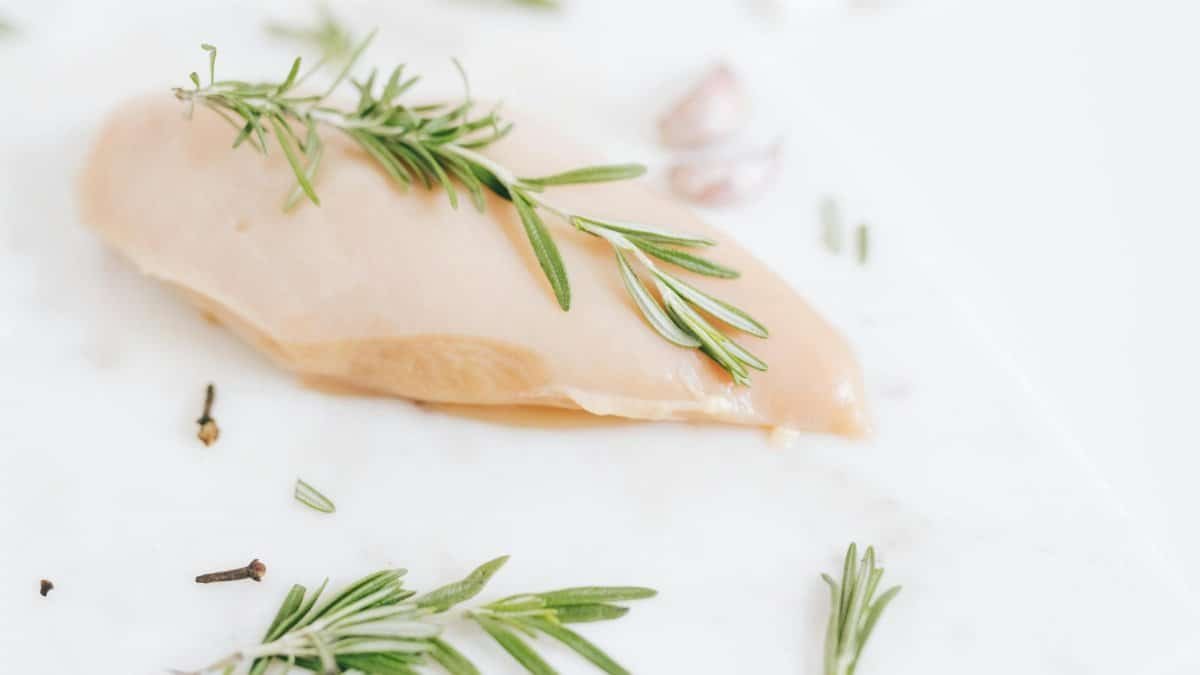
Think you’re cleaning raw chicken by rinsing it under the tap? The CDC says you’re making things worse. On February 17, 2026, the agency urged home cooks across the U.S. to immediately stop washing raw chicken. Splashing water from the practice spreads deadly bacteria all over kitchen sinks, turning a supposed hygiene step into a contamination risk. This warning spotlights the dangers of washing chicken salmonella scenarios, where good intentions backfire in home kitchens.
CDC Delivers Direct Warning
The Centers for Disease Control and Prevention issued a clear call to action on February 17, 2026. Home cooks everywhere received the message: stop washing raw chicken. The agency emphasized that what feels like a cleaning ritual actually amplifies risks. Deadly bacteria transfer through water splashes, contaminating sinks and nearby surfaces. This advisory targets everyday meal prep, aiming to curb hidden food safety threats in American homes.
The Common Kitchen Habit Under Fire
Many home cooks rinse raw chicken before cooking, believing it removes dirt or germs. The CDC shattered this assumption. Water from the rinse doesn’t eliminate bacteria—it disperses them. Sinks become breeding grounds for pathogens. This practice persists despite expert advice, but the 2026 alert pushes for change. Kitchens nationwide face reevaluation of basic routines.
Splashing Water: The Real Culprit
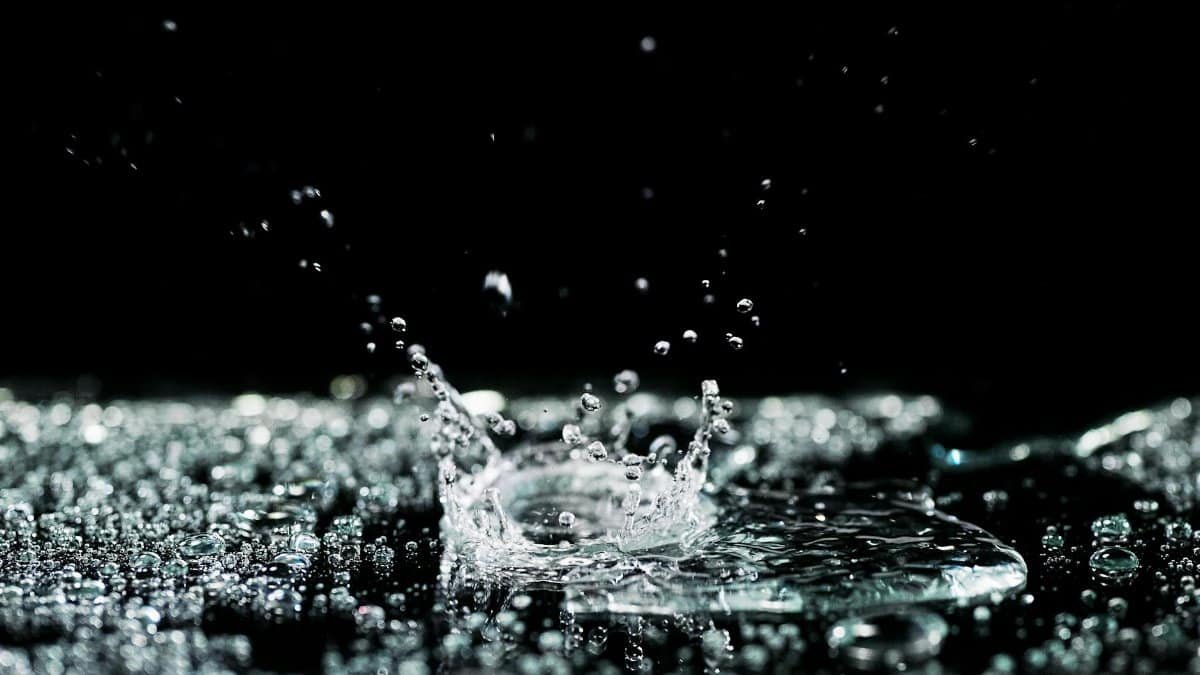
Every splash counts. When water hits raw chicken, it aerosolizes bacteria into the air and onto counters. Sinks collect the fallout, ready to infect the next dish. The CDC highlighted this mechanics in its warning. No amount of rinsing neutralizes the spread. Home environments turn hazardous fast, with bacteria lingering on sponges, faucets, and drains.
Deadly Bacteria in Play

Raw chicken harbors serious pathogens. The CDC’s message underscores how washing mobilizes these killers. Bacteria thrive in the moisture, hitchhiking on droplets. Sinks, often used for vegetables or utensils, cross-contaminate everything. This chain reaction explains ongoing foodborne illness concerns. The 2026 statement reinforces the urgency for safer habits.
For more on CDC food safety guidelines, see the CDC Chicken and Food Poisoning page.
Why Washing Fails to Clean
Rinsing seems intuitive, but science says otherwise. Bacteria cling to chicken skin and meat. Water pressure only scatters them further. The CDC clarified: you’re not sanitizing—you’re redistributing. Sinks trap the evidence, invisible to the eye. This revelation challenges generations of kitchen lore, demanding a shift in 2026 cooking norms.
Kitchen Sink as Contamination Hub
Sinks rank high among kitchen trouble spots. Washing raw chicken floods them with bacteria-laden water. Faucets, handles, and basins stay wet, fostering growth. The CDC noted this in its alert. Subsequent uses—like washing produce—pick up the load. Homes unwittingly cycle germs through meals, elevating risks for families.
Safe Alternatives for Home Cooks
The CDC promotes cooking as the true killer of bacteria. Heat destroys pathogens without the splash. Pat chicken dry with paper towels instead of rinsing. Discard towels immediately. Clean surfaces with hot soapy water afterward. These steps align with the agency’s guidance, keeping sinks safe. Simple swaps protect without extra effort.
Complementing CDC advice, the FDA echoes the no-wash rule; details at the FDA Don’t Wash Your Chicken page.
Broader Implications for U.S. Homes

Foodborne illnesses hit thousands yearly, often from poultry handling. The 2026 CDC push addresses this head-on. Washing chicken salmonella risks amplify in busy kitchens, where haste rules. Public response will shape trends. Awareness campaigns aim to embed the message: skip the rinse, cook thoroughly. Healthier meals start with informed choices.
Expert Consensus Builds

Health authorities unite on this. The CDC leads with its February alert, backed by years of data. Washing spreads more than it cleans. Home cooks gain clarity: bacteria don’t wash away. Sinks stay sterile through avoidance. This consensus guides 2026 practices, reducing unnecessary exposures.
Moving Forward in 2026

The advisory marks a pivotal moment. Kitchens evolve as cooks ditch the rinse. Deadly bacteria lose their free ride. Sinks reclaim safety. The CDC’s voice cuts through habit, urging precision in prep. Families benefit from fewer risks, proving prevention beats cleanup. Stay vigilant—your next meal depends on it.
This CDC stance reshapes routines. Washing chicken salmonella myths fade under facts. Splashes stop, bacteria contained. Home cooks lead the charge toward safer tables in 2026 and beyond.