
Is walking backwards really curing chronic knee pain? The viral physical therapy trend known as “Walking Backwards” on treadmills is exploding in 2026, delivering results by strengthening overlooked muscles long ignored in traditional forward-motion exercises. Datelined January 25, 2026, reports highlight its power to reverse persistent knee agony, marking a bold shift in rehab strategies. Fitness enthusiasts and therapists alike are buzzing over this counterintuitive fix that’s proving effective for those sidelined by joint issues.
The Surge of Walking Backwards in 2026

Physical therapy circles are abuzz with “Walking Backwards,” the breakout trend dominating 2026. What started as a niche rehab tactic has gone viral, drawing attention for its straightforward promise: pain relief through reversal. Treadmills provide the ideal platform, allowing controlled backward strides that target knee-supporting structures. Therapists report patients experiencing rapid improvements, fueling social media shares and gym adoptions across the U.S. This isn’t fleeting hype—it’s backed by observable outcomes in chronic cases.
Decoding the Reverse Treadmill Method
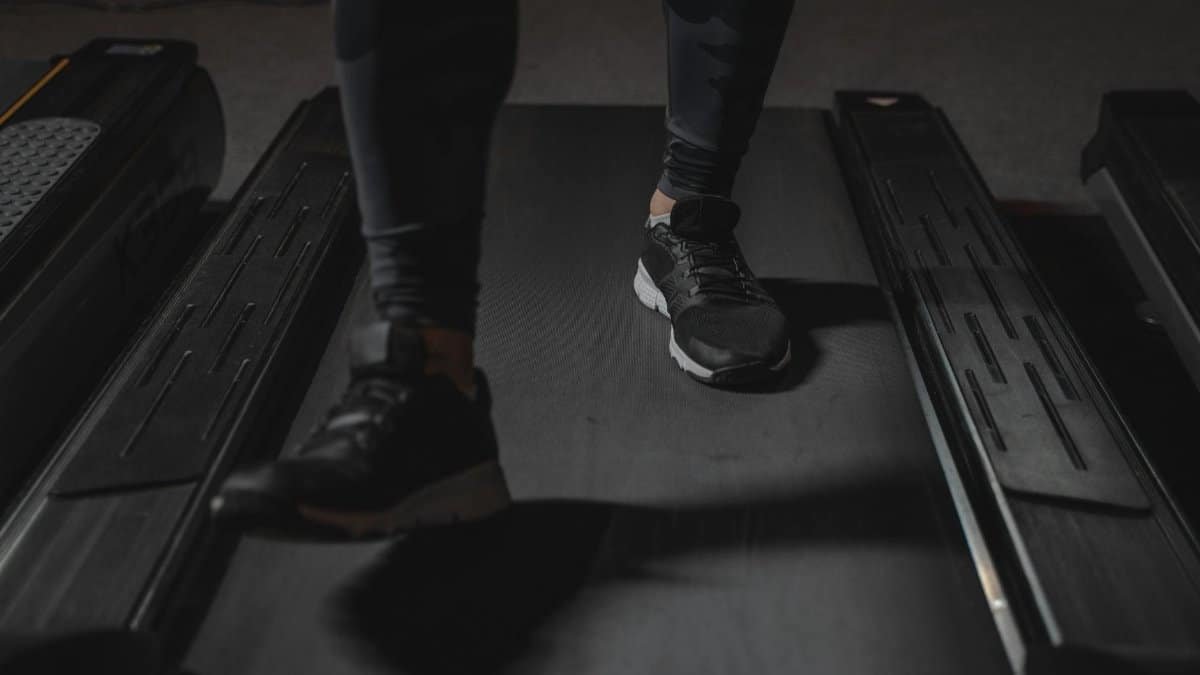
At its core, “Walking Backwards” flips conventional treadmill use. Users face the machine’s rear, stepping in reverse at moderate speeds. This motion engages muscles differently than forward walking, emphasizing those that stabilize the knee from behind. The January 25 report underscores its role as a physical therapy staple, with sessions building endurance without the forward strain that often worsens pain. Gyms nationwide are adding signage and demos, making it accessible for everyday users.
Strengthening Muscles Forward Motion Ignores

Forward walking neglects key posterior chain muscles around the knee, like the hamstrings and calves in unique ways. Backward motion activates them intensely, rebuilding strength where it’s most needed. This targeted fortification supports the kneecap and ligaments, countering weaknesses that lead to chronic inflammation. Therapists note the trend’s genius lies here—simple reversal yields profound muscle balance, a factor in its viral success and proven pain reduction.
Chronic Knee Pain Meets Its Match
Chronic knee pain plagues millions, but “Walking Backwards” is proving a game-changer. By curing symptoms through muscle reinforcement, it addresses root causes rather than masking them. The 2026 trend report positions it as a reliable therapy, with users ditching braces and meds after consistent sessions. This reverse approach restores mobility, letting sufferers reclaim activities like hiking or sports without the familiar ache.
Science Backs the Backward Benefits

Research supports backward walking’s efficacy for knee rehab. A study on retro walking showed significant pain reduction in osteoarthritis patients by improving joint loading and muscle activation (PubMed: Backward Walking for Knee OA). Another analysis confirmed enhanced balance and strength from reverse gait training, aligning perfectly with the trend’s claims (PubMed: Reverse Gait Training Effects). These findings validate why 2026 therapists are prescribing it widely.
Treadmills Transform into Therapy Machines
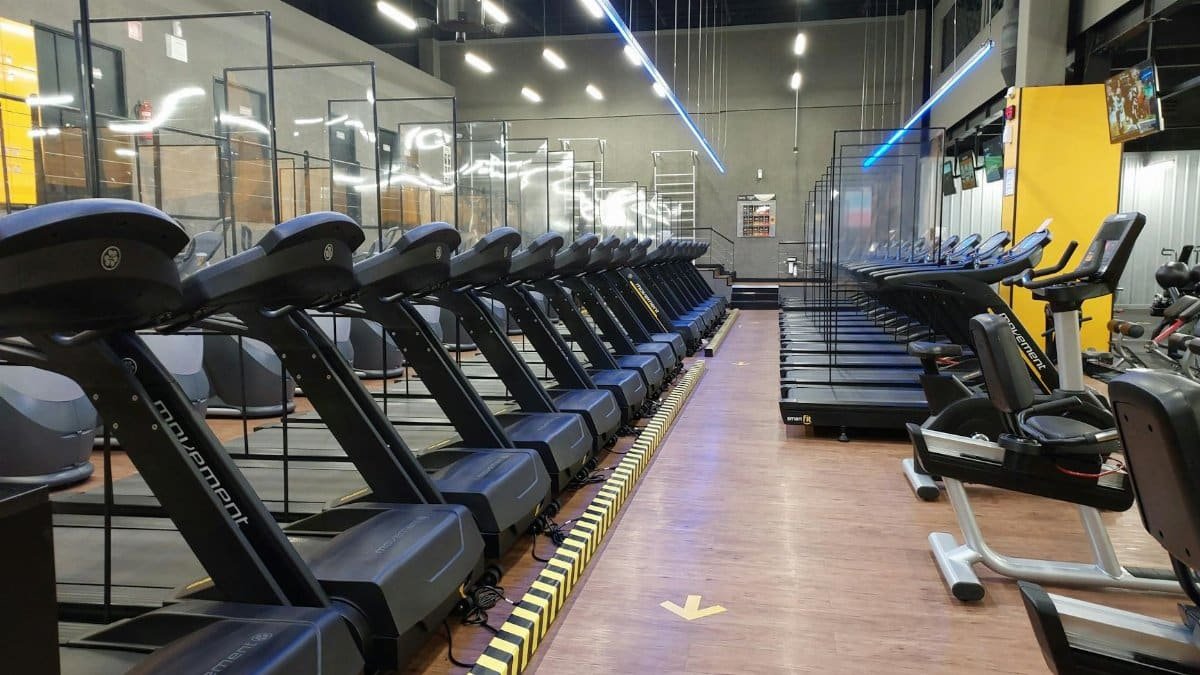
Standard gym treadmills unlock new potential with “Walking Backwards.” Adjustable speeds and handrails ensure safety, letting beginners start slow. The controlled environment amplifies muscle engagement without fall risks, a key reason for its physical therapy adoption. Reports from early 2026 show facilities retrofitting equipment, turning cardio zones into pain-relief hubs. This accessibility drives the trend’s virality, reaching beyond clinics to home users.
From Viral Videos to Clinic Standard

Social platforms propelled “Walking Backwards” into the spotlight, with demo reels racking up millions of views. What began online has solidified in professional settings, as therapists integrate it into protocols. The January 25 dispatch captures this momentum, noting its proof against chronic knee pain via neglected muscle gains. U.S. trends reflect broader wellness shifts toward unconventional fixes that deliver real results.
Real Relief for Everyday Americans

Americans grappling with knee pain—from desk workers to weekend warriors—are finding solace in this trend. By 2026, it’s no longer experimental; it’s a staple proving to erase discomfort through smart strengthening. Therapists emphasize consistency, with backward sessions complementing forward routines for full knee resilience. As adoption grows, expect more stories of pain-free living, all thanks to stepping in reverse.
This trend’s traction signals a rehab revolution. “Walking Backwards” isn’t just buzz—it’s a tangible path to stronger, pain-free knees, reshaping how America moves in 2026.