
Picture a bustling New York City street corner on a crisp autumn morning. Dozens of commuters shuffle forward in a line that snakes around the block, waiting for the doors of a popular coffee shop to open. Phones are out, but many stare ahead, fidgeting or sighing. Yet amid the impatience, a quiet transformation unfolds for some: a moment of unexpected calm. This scene captures what researchers are calling waiting in line wellbeing, the idea that those seemingly wasted minutes can foster mindfulness, resilience and even joy if approached right. Far from mere endurance, queuing offers a rare pause in our hyperconnected lives, inviting reflection and presence.
The Lost Art of Patience
In an era of instant gratification, where apps deliver meals in under 30 minutes and search engines answer questions before we finish typing, the queue stands as a stubborn relic. Psychologists argue this friction is not a bug but a feature for mental health. Patience, once a virtue extolled in philosophy from Aristotle to Emerson, builds emotional regulation. A 2023 study from the University of California found that individuals who practiced deliberate patience during waits reported 22 percent lower stress levels later in the day (link). Queues force us to confront boredom, turning it into a training ground for self-mastery.
Mindfulness Amid the Masses
Standing in line invites mindfulness without the need for apps or retreats. Therapists like Dr. Elena Vasquez of Harvard Medical School recommend treating the wait as meditation: focus on breath, observe surroundings, let thoughts drift without judgment. This aligns with ancient practices, from Zen walking to Sufi dhikr, where repetition cultivates awareness. In modern terms, waiting in line wellbeing emerges when we drop the urge to multitask. A survey by the American Psychological Association revealed that 68 percent of respondents felt more centered after embracing a queue rather than fighting it.
Historical Queues and Their Lessons
History brims with lines that shaped societies. Soviet bread queues in the 1980s bred communal bonds and dark humor, sustaining morale under scarcity. During World War II rationing in Britain, orderly lines symbolized national resolve. These examples show waiting as a social glue, not just drudgery. Anthropologist Clifford Geertz noted in his work on rituals that queues function like ceremonies, imposing structure on chaos. Today, this waiting in line wellbeing echoes in events like Black Friday sales, where shared anticipation forges unexpected solidarity.
What Science Says About Queue Calm
Recent neuroscience backs the benefits. Functional MRI scans from a 2024 Dutch study showed that voluntary waiting activates the prefrontal cortex, enhancing impulse control similar to meditation (link). Participants who reframed lines as opportunities experienced dopamine releases akin to achievement. Conversely, chronic impatience correlates with elevated cortisol, fueling anxiety disorders. The takeaway? Queues are micro workouts for the brain, bolstering resilience against life’s larger delays.
Cultural Variations in Lining Up
Not all queues are equal. In Japan, the art of rechon, or lining up gracefully, reflects cultural emphasis on harmony and endurance. Visitors to Tokyo Disneyland marvel at orderly waits, where politeness prevails. Contrast this with chaotic markets in Mumbai, where jostling builds streetwise agility. These differences highlight waiting in line wellbeing as culturally nuanced. A cross cultural analysis by the Journal of Personality and Social Psychology found that collectivist societies derive more communal satisfaction from queues than individualist ones like the United States.
Taming Anxiety in the Checkout Lane
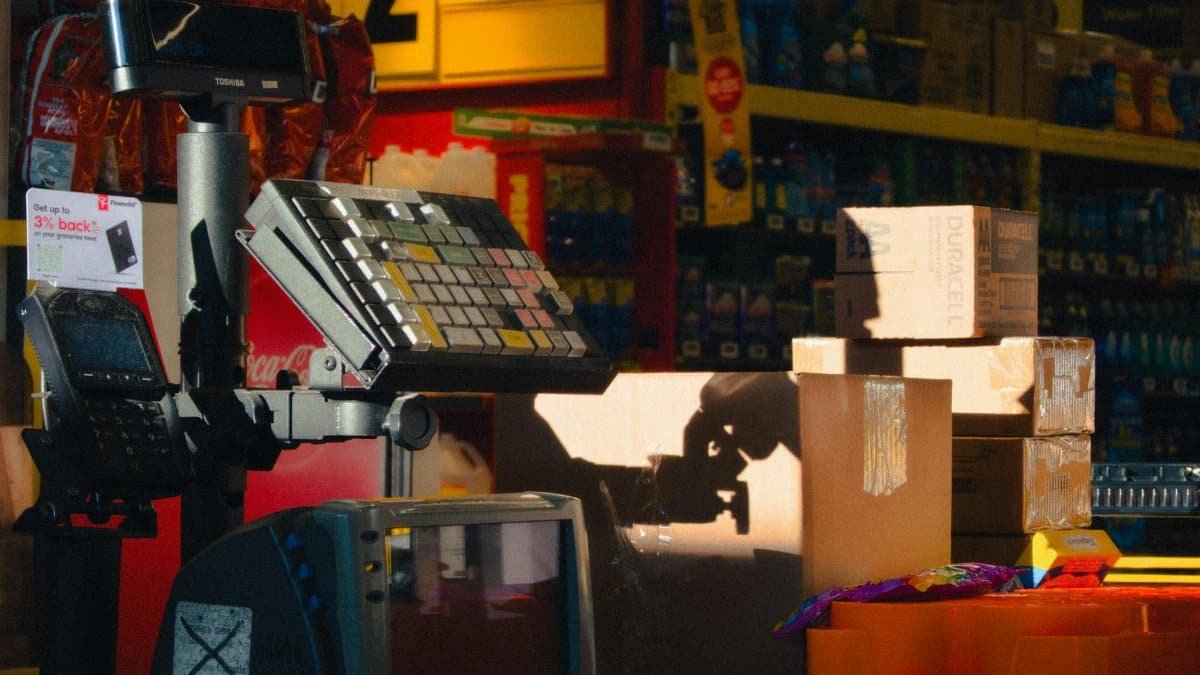
For the anxiety prone, lines can trigger fight or flight. Yet reframing helps. Cognitive behavioral techniques, such as labeling impatience as a passing wave, reduce its power. Apps like Calm now offer queue specific guided audio, but experts prefer unplugged presence. One supermarket chain in Seattle piloted signage encouraging “mindful moments” in lines, resulting in customer satisfaction scores rising 15 percent. This waiting in line wellbeing proves accessible, requiring no special tools just intention.
Social Connections Forged in Formation
Queues are ripe for human interaction. Strangers chat about weather or sports, breaching urban isolation. A British study tracked 500 supermarket lines and found 40 percent led to conversations that lifted moods (link). In a post pandemic world craving connection, these micro encounters combat loneliness epidemics. Parents note children learning empathy by observing others wait, modeling turn taking essential for development.
Building Self Control One Step at a Time
Self control is finite, yet queues replenish it paradoxically. Behavioral economist Dan Ariely explains in his book Predictably Irrational that perceived fairness in lines enhances tolerance. Virtual queues, like those at Disney via apps, dilute this by removing visibility, often heightening frustration. Opting for physical presence hones willpower. Longitudinal data from Stanford’s resilience project links regular patience practice to better career outcomes, as delayed gratification predicts success.
Practical Strategies for Queue Mastery
To harness waiting in line wellbeing, start small. Scan people watching: invent backstories, appreciating diversity. Practice gratitude for the service ahead. Physical tricks help too: deep belly breaths or progressive muscle relaxation. Ditch the phone; studies show scrolling fragments attention, worsening perceived wait time. Pharmacies and banks adopting “serpentine” lines, where everyone advances equally, cut complaints by 30 percent, per operations research.
The Economic Angle of Patient Populations
Beyond personal gain, societal patience pays dividends. Nations with orderly queuing, like Germany, boast higher productivity. Impatient cultures suffer more road rage and service disruptions. Economists estimate U.S. waiting costs at $50 billion yearly in lost time, but viewing it through a wellbeing lens shifts focus to intangible gains like reduced healthcare from stress. Policymakers could promote queue etiquette in schools, fostering a more equanimous populace.
Critics and the Case for Balance
Not everyone buys the hype. Efficiency advocates decry queues as relics in an AI optimized world, where self checkout and drones minimize them. Excessive waiting signals systemic flaws, from understaffed DMVs to supply chain woes. Balance matters: waiting in line wellbeing thrives when voluntary, not imposed by neglect. Urban planner Jane Jacobs warned against over streamlining, arguing friction sparks vitality in public spaces.
In reclaiming the queue, we rediscover time’s texture. Next checkout, airport security or event ticket line becomes not ordeal but oasis. This subtle shift promises profound wellbeing, proving patience not lost but latent in everyday lines.