

New data shows that 68% of Americans who’ve experienced trauma report better emotional strength after engaging in structured healing programs, according to a recent survey by the Substance Abuse and Mental Health Services Administration. This surge in healing | recovery | strength is reshaping how people in cities like Charlotte tackle lingering effects of past wounds. From reducing daily stress to rebuilding personal resilience, these approaches are gaining traction as essential tools for modern well-being. But what makes them so effective, and why are they becoming a go-to for so many?
What Is Trauma Healing?
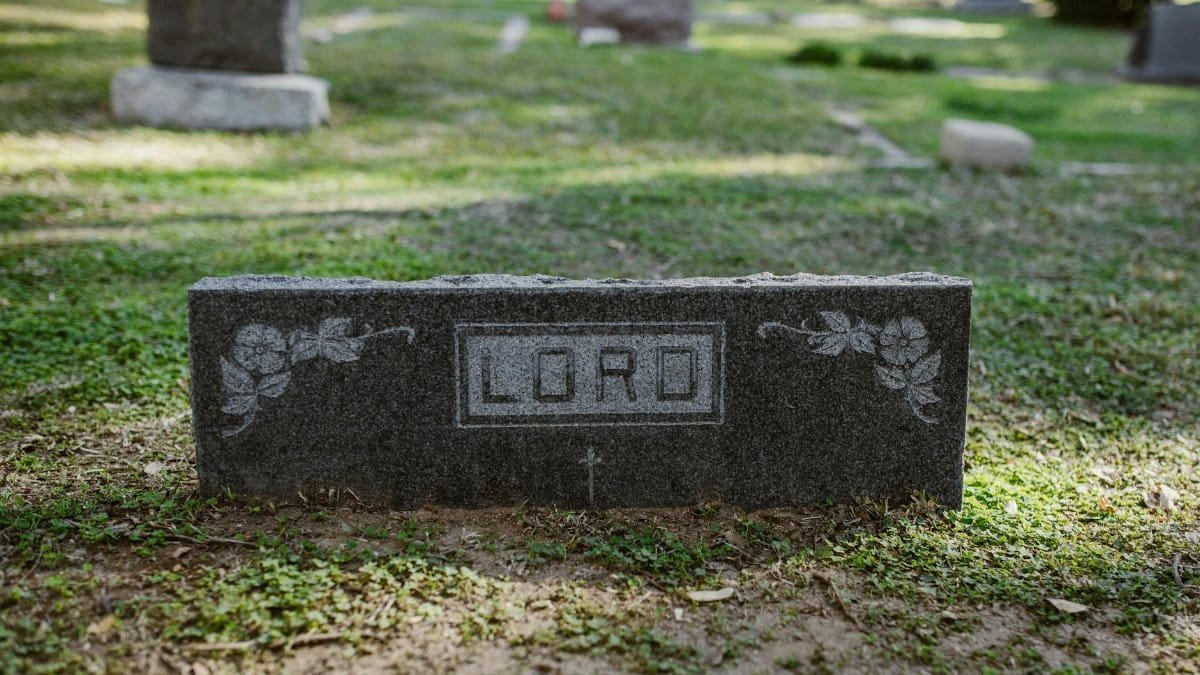
Trauma healing refers to the process of addressing and overcoming the psychological scars left by distressing events. It involves therapies like cognitive behavioral techniques or mindfulness practices that help individuals regain control. In the U.S., experts note a growing emphasis on holistic methods that combine mental and physical recovery. This isn’t just about forgetting the past; it’s about building inner strength to face the future. Programs in Charlotte are leading the way, offering community-based sessions that make these tools accessible.
The Science Behind Recovery

Research backs up the power of trauma recovery. Studies show that consistent therapy can rewire brain pathways affected by stress, leading to improved mood and reduced anxiety. For instance, a report from the National Institute of Mental Health highlights how exposure therapy aids in processing traumatic memories. In 2025, with rising awareness, more clinics are integrating these evidence-based methods. This scientific foundation is key to why healing | recovery | strength feels transformative for many survivors.
Common Challenges in the Healing Process
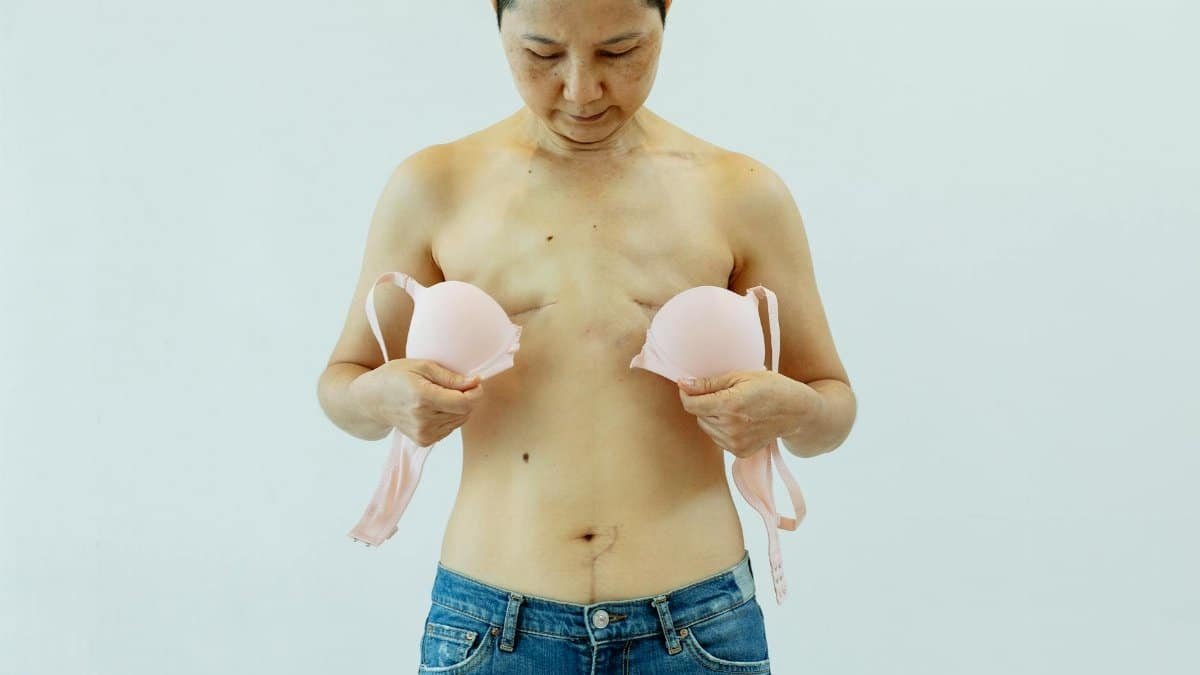
Healing isn’t always straightforward. Many face setbacks like emotional triggers or skepticism about therapy’s benefits. Reliving painful memories can feel overwhelming, and access to quality care remains a barrier in some areas. Yet, persistence pays off. In Charlotte, local support groups help navigate these hurdles, emphasizing patience and small steps toward strength. Experts advise starting with professional guidance to avoid common pitfalls like isolation during recovery.
Building Strength Through Mindfulness
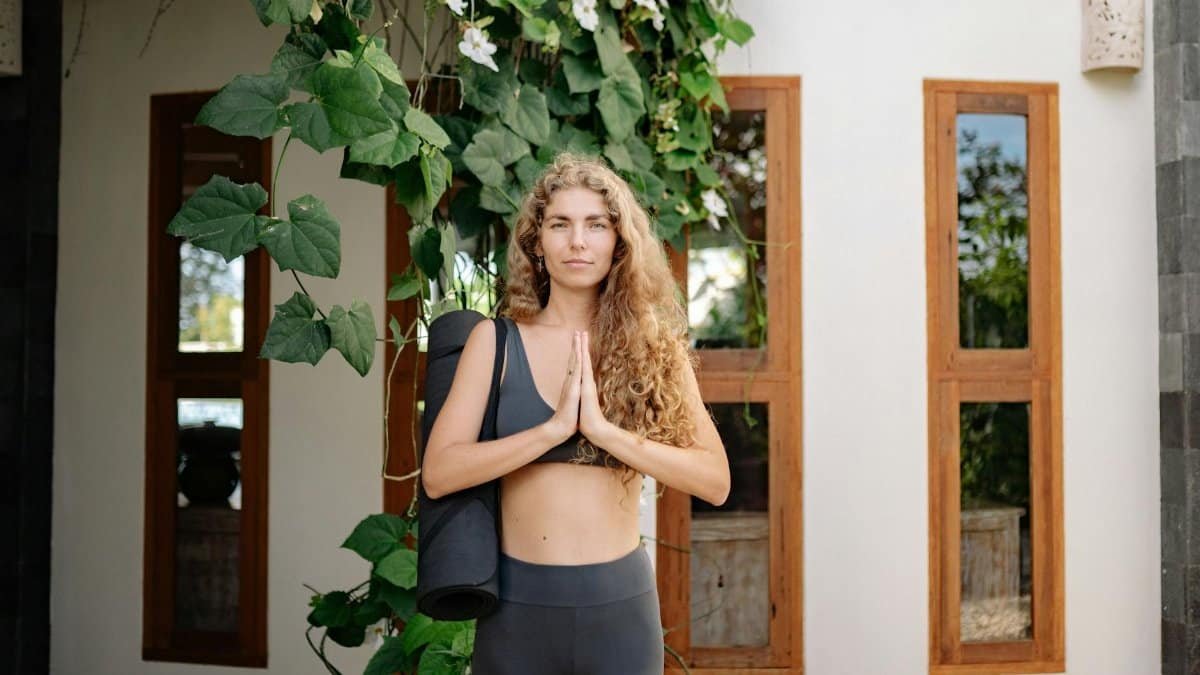
Mindfulness practices are a cornerstone of building post-trauma strength. Techniques like meditation and yoga help ground individuals, fostering resilience against stress. A study published in the Journal of the American Medical Association found that mindfulness-based interventions reduce PTSD symptoms by up to 40%. In U.S. trends for 2025, apps and online classes are making these tools widely available, empowering people to incorporate them into daily routines for lasting recovery.
Community Support’s Role in Recovery

No one heals in a vacuum. Community networks provide vital encouragement, sharing stories that normalize the recovery journey. In Charlotte, organizations like local wellness centers host group sessions where participants build collective strength. This social aspect combats loneliness, a common trauma side effect. Data from the Centers for Disease Control and Prevention underscores how social ties improve mental health outcomes, making community involvement a smart strategy for sustained healing.
Therapeutic Tools for Everyday Use

Practical tools extend beyond the therapist’s office. Journaling, breathing exercises, and even art therapy offer daily ways to foster healing | recovery | strength. These methods help process emotions without overwhelming commitment. In the U.S., therapists recommend tailoring tools to personal needs, such as apps for guided sessions. A resource from the American Psychological Association details how such practices enhance emotional regulation, proving effective for long-term well-being.
Overcoming Stigma Around Seeking Help
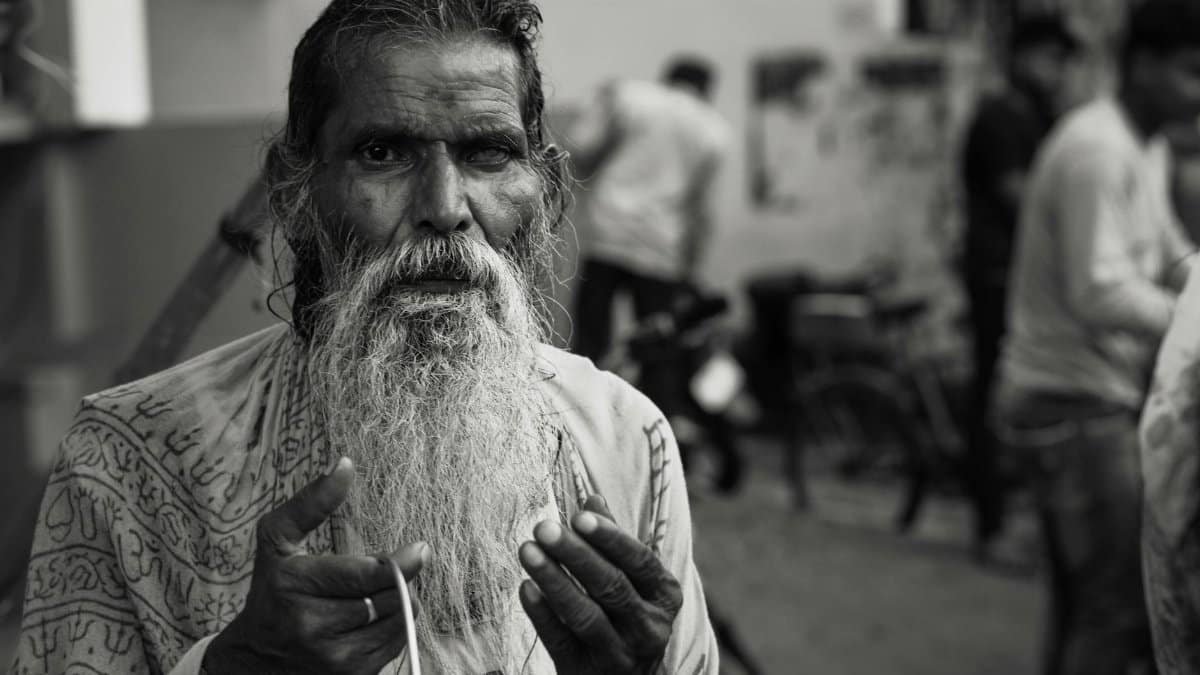
Stigma often deters people from pursuing trauma healing. Many view it as a sign of weakness, but advocates are flipping the script. Public campaigns in 2025 are normalizing therapy, especially among younger demographics. In Charlotte, initiatives highlight success stories to encourage openness. Breaking this barrier is crucial, as untreated trauma can lead to chronic issues. Embracing help is a true display of strength, not vulnerability.
Long-Term Benefits of Strength-Building

The payoff of dedicated recovery efforts is profound. Survivors often report enhanced relationships, better work performance, and greater life satisfaction. Longitudinal studies, like those from Harvard’s Grant Study, show that emotional resilience correlates with healthier aging. For those in healing | recovery | strength programs, these benefits compound over time, turning past pain into a foundation for empowerment. It’s a reminder that healing is an investment in a brighter future.
Getting Started in Your Community
Ready to begin? Start by researching local resources in Charlotte or similar U.S. cities. Options include free hotlines, online forums, or certified therapists. The key is taking that first step without delay. With trends pointing to increased funding for mental health in 2025, access is improving. Remember, professional advice ensures a safe path to recovery and strength.
For more on trauma recovery, check out the National Institute of Mental Health’s PTSD page and the CDC’s Mental Health resources.