
In an era dominated by flashy productivity apps and AI-driven task managers, the unassuming pomodoro timer refuses to fade into obscurity. This kitchen-timer-inspired tool, popularized by Francesco Cirillo in the 1980s, enforces 25-minute bursts of concentrated work followed by five-minute breaks. Named after the Italian word for tomato—thanks to Cirillo’s original tomato-shaped device—it’s a low-tech antidote to digital distractions. Amid burnout epidemics and shrinking attention spans, insiders swear by its simplicity as the ultimate focus hack.
The Tomato That Changed Productivity
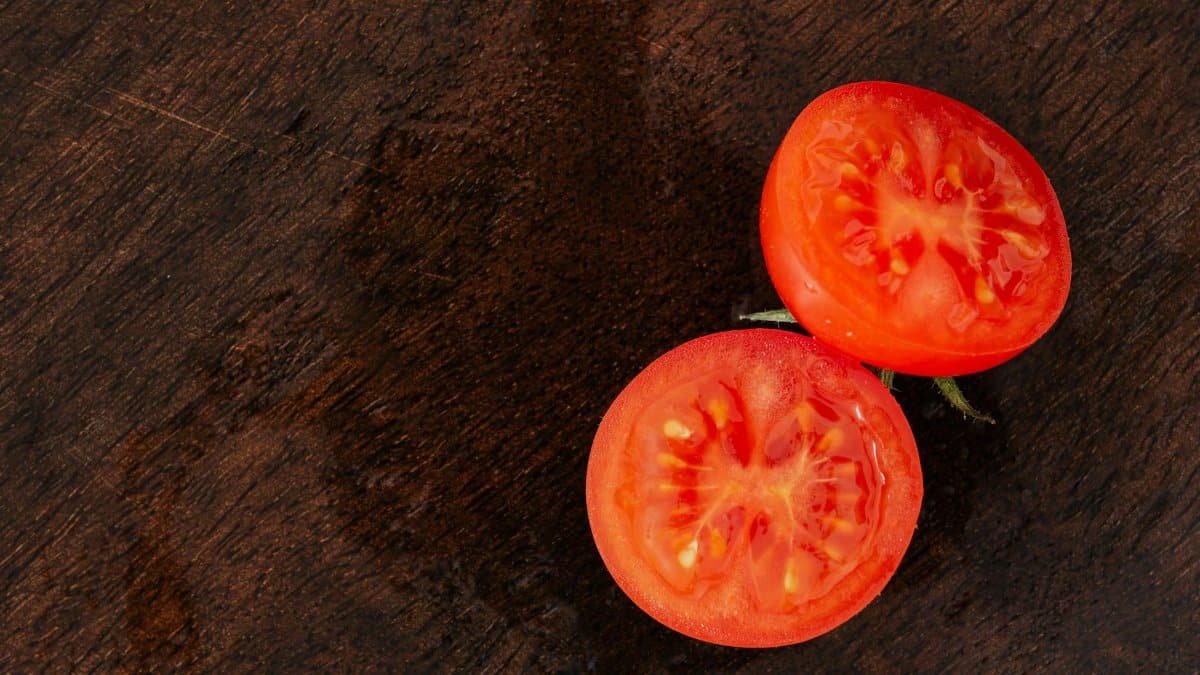
Francesco Cirillo was a struggling student in Bologna when he grabbed a tomato-shaped kitchen timer from his family’s drawer. Setting it for 25 minutes, he committed to uninterrupted study. That eureka moment in 1987 birthed the Pomodoro Technique, now a staple for millions. Unlike trendy gadgets, this analog marvel costs pennies and demands zero charging. Cirillo’s method has sold over two million books worldwide, proving its timeless appeal in boardrooms and dorms alike.
Breaking Down the 25-Minute Magic
The core rule is brutally simple: work for 25 minutes straight, then break for five. After four cycles, take a longer 15- to 30-minute respite. This rhythm mimics the brain’s natural ultradian cycles, where focus peaks around 20-30 minutes before dipping. Neuroscientists like Dr. Cal Newport, author of Deep Work, endorse it for training the mind against multitasking myths. Users report 20-30% productivity gains, turning chaotic days into structured triumphs.
Why Digital Apps Can’t Compete
Apps like Focus@Will or TomatoTimer boast bells and whistles—custom intervals, gamification, ambient sounds. Yet they often backfire. Notifications ping, screens tempt with tabs, and battery life becomes another worry. A 2023 study from the University of California found analog timers boost completion rates by 40% over apps, thanks to their “set it and forget it” vibe. No algorithms tracking your every pause; just a ticking companion free from Big Tech’s gaze.
Science Proves Pomodoro’s Edge

Research underscores the technique’s power. A 2022 meta-analysis in Journal of Applied Psychology linked timed intervals to reduced procrastination and heightened flow states. fMRI scans show the brain’s prefrontal cortex—focus HQ—lights up during short sprints, avoiding fatigue from marathon sessions. Harvard Business Review cited it in a piece on executive performance, noting pros like basecamp founder Jason Fried use it to ship products faster. It’s not hype; it’s hard data.
From Silicon Valley to College Campuses

Tech titans love it. Twitter co-founder Jack Dorsey swears by themed days with Pomodoro blocks for coding marathons. Students at Stanford pack lecture halls with cheap timers, crediting them for better GPAs amid TikTok temptations. Freelancers on Upwork report doubling client deliverables. Even ADHD advocates, via CHADD.org, recommend it for dopamine-starved brains. Real stories abound: a New York lawyer cleared her backlog in weeks, ditching her smartwatch for a $5 timer.
Analog’s Distraction Shield

Screens are focus killers—Microsoft’s 2022 Work Trend Index pegged average attention at 47 seconds. The pomodoro timer’s offline charm sidesteps this. No haptic buzzes, no streak reminders derailing momentum. Place it across the desk as a physical barrier to phones. Vintage models from brands like Time Timer add visual countdowns, ideal for visual learners. In remote work’s zoom fatigue era, it’s a rebellion against always-on culture.
Zero-Cost Hacks to Start Today
No need for Amazon hauls. Use your phone’s basic timer app in Do Not Disturb mode, or raid the kitchen drawer. Print free worksheets from Cirillo’s official site to log sessions. Pair with a notepad for task lists—jot six items max per cycle to avoid overwhelm. Beginners: start with two cycles daily, scaling up. Pro tip: during breaks, stretch or hydrate, never scroll. Results compound fast.
Busting the Top Pomodoro Myths

Myth one: “It’s too rigid.” Wrong—adapt intervals to 50/10 for creatives. Myth two: “Only for desk jobs.” Nope; writers, chefs, even surgeons time procedures. Myth three: “Breaks kill momentum.” Science says they recharge it. A 2021 Cornell study debunked longer sessions as superior, showing error rates spike after 40 minutes. Embrace the ticks; they’re your productivity whisperer.
As hybrid work blurs boundaries and apps multiply, the pomodoro timer’s analog purity shines brightest. It’s not revolutionary tech—it’s reliable ritual. Grab one, set it for 25, and reclaim your day. In focus-starved times, simplicity wins.