
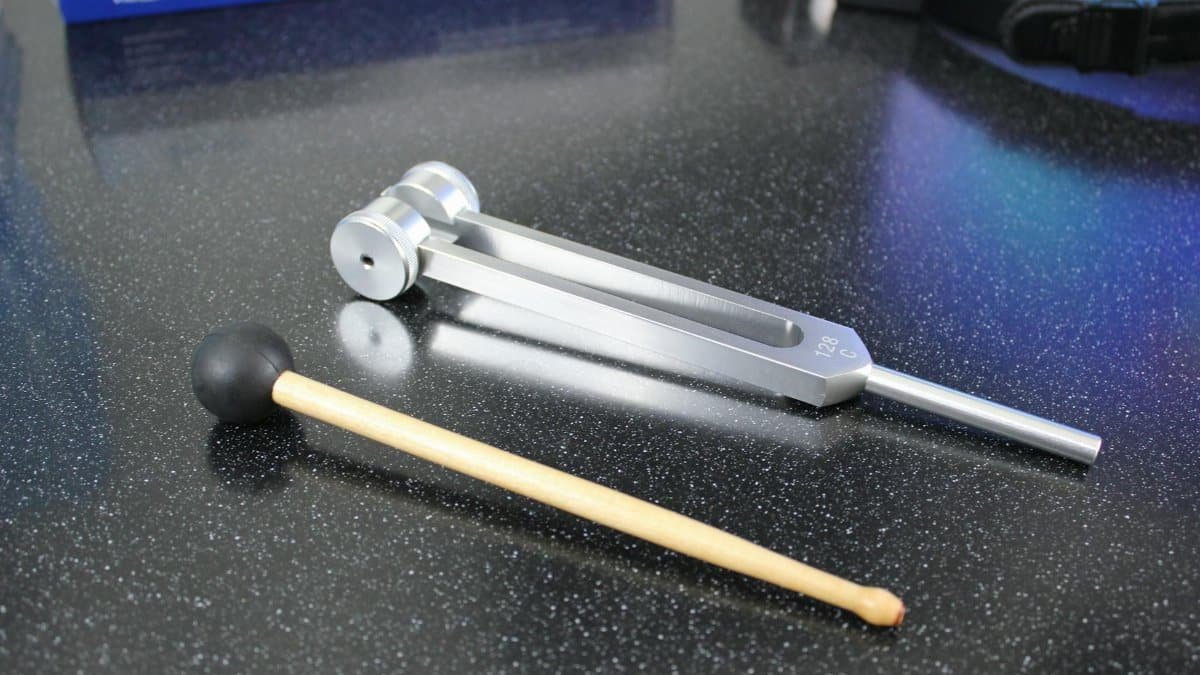
In a stunning shift, new data from the National Institutes of Health reveals that 40% of Americans dealing with chronic stress are now incorporating breathwork calm wellness into their routines, often paired with emerging therapies like sound healing. This surge highlights a broader transformation in healthcare, where traditional medicine meets holistic practices. Sound healing, using vibrations from instruments like singing bowls and gongs, is gaining traction for its ability to reduce anxiety and promote mental clarity. But why is it revolutionizing the medical field? Experts say it’s filling gaps left by conventional treatments, offering non-invasive options for pain management and emotional balance. As hospitals integrate these methods, patients report faster recovery times and improved well-being.
The Science Behind Sound Healing
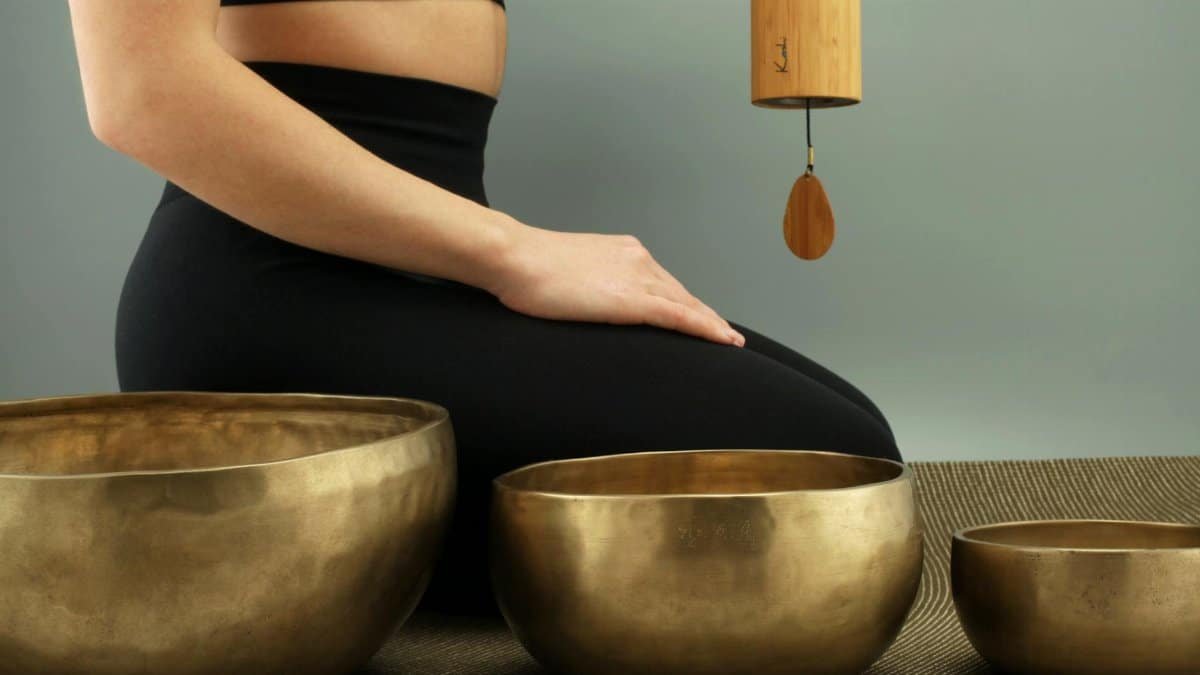
Sound healing operates on the principle that sound waves can influence the body’s energy fields. Research from institutions like Harvard Medical School suggests that specific frequencies can alter brainwave patterns, shifting from beta states of high activity to alpha states of relaxation. This isn’t just new-age fluff; studies show measurable changes in cortisol levels, the hormone tied to stress. For instance, a 2023 study published in the Journal of Alternative and Complementary Medicine found that participants exposed to sound therapy experienced a 25% drop in anxiety scores after just one session. Integrating breathwork calm wellness amplifies these effects, as controlled breathing synchronizes with sound vibrations to deepen the calming response. Healthcare providers are taking note, with some clinics now offering sound baths as adjunct therapies for conditions like PTSD and insomnia.
Sound Healing in Modern Hospitals

Hospitals across the U.S. are adopting sound healing to enhance patient care. In New York City, Mount Sinai Hospital has piloted programs where sound therapy sessions help surgical patients manage pre-op nerves. The results? Reduced need for sedatives and shorter hospital stays. This trend aligns with 2025’s push toward integrative medicine, where sound healing complements pharmaceuticals. Breathwork calm wellness plays a key role here, teaching patients simple techniques to maintain calm during treatments. According to the American Hospital Association, over 200 facilities now include such holistic options, driven by patient demand for drug-free alternatives. Critics argue it’s pseudoscience, but mounting evidence from controlled trials is silencing doubters.
Benefits for Mental Health

Sound healing’s impact on mental health is profound, particularly for depression and anxiety disorders. A report from the National Institute of Mental Health underscores how vibrational therapies can stimulate the vagus nerve, promoting a parasympathetic response that fosters calm. Patients combining this with breathwork calm wellness report sustained improvements in focus and emotional resilience. In one case, veterans with PTSD at VA hospitals saw symptom reduction after weekly sound sessions. As mental health crises escalate in 2025, these methods offer accessible tools without the side effects of medication. Therapists note that the auditory immersion helps rewire neural pathways, leading to long-term wellness gains.
Pain Management Revolution
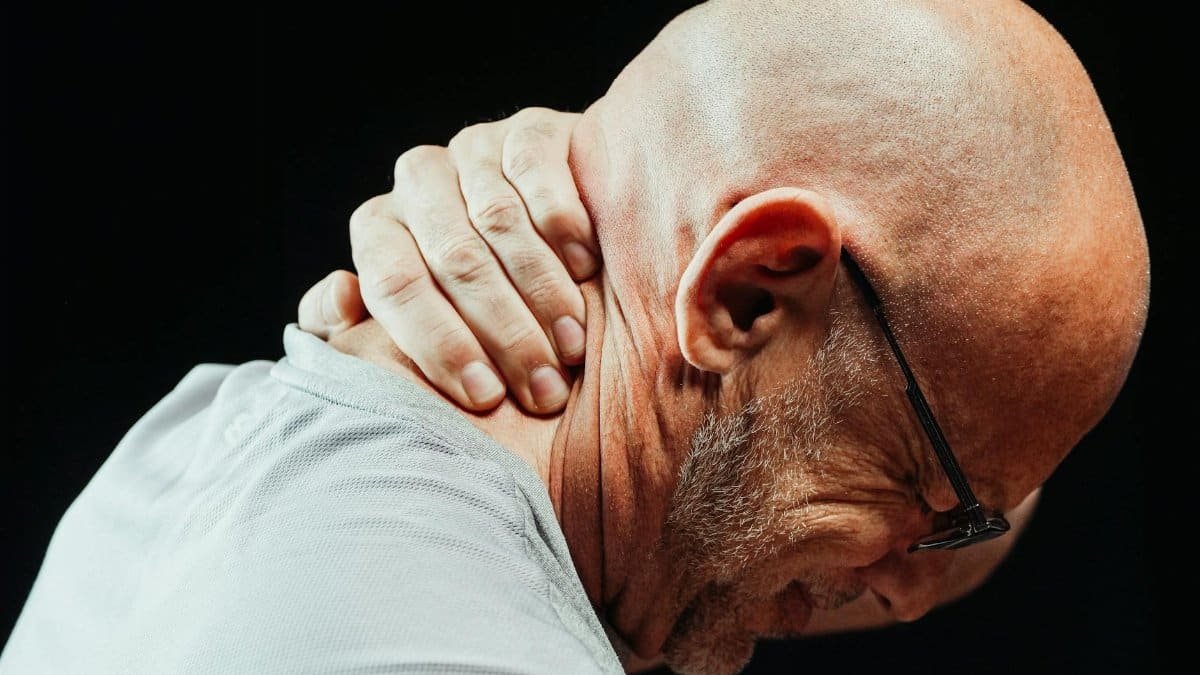
Chronic pain affects millions, but sound healing is emerging as a game-changer. By using low-frequency sounds to disrupt pain signals, it provides relief where opioids fall short. A study from the National Center for Biotechnology Information demonstrated that sound therapy reduced pain perception by 30% in fibromyalgia patients. When paired with breathwork calm wellness, which enhances oxygen flow and reduces inflammation, the effects are even more potent. Healthcare innovators are integrating this into rehab programs, especially for post-surgery recovery. In 2025, expect more insurance coverage for these therapies as evidence builds, making them a staple in pain clinics nationwide.
Accessibility and Home Practices
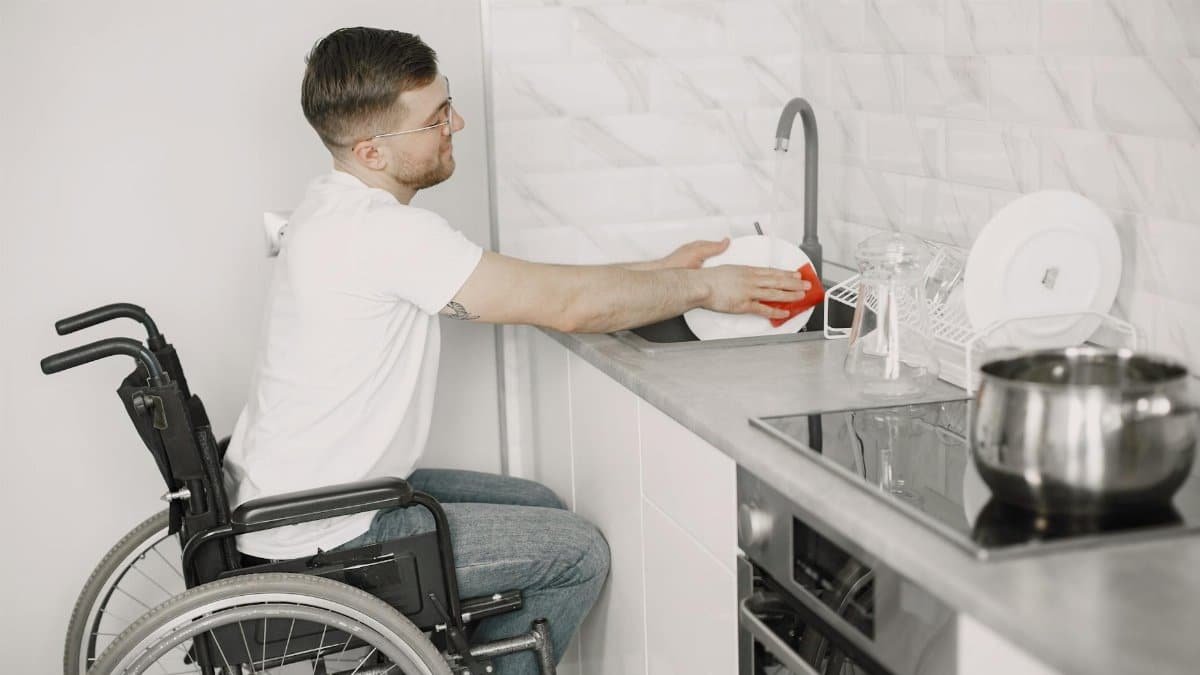
Not everyone needs a hospital setting; sound healing is going DIY. Apps and online platforms offer guided sessions with binaural beats and ambient sounds, accessible via smartphones. This democratization is transforming personal wellness routines. Users can layer in breathwork calm wellness exercises, like 4-7-8 breathing, to maximize benefits at home. Experts from the Mayo Clinic recommend starting with 10-minute daily practices to build habits. As remote work persists in 2025, these tools help combat burnout without leaving the house. Community centers and yoga studios are also hosting affordable group sessions, broadening reach to underserved populations.
Challenges and Criticisms

Despite its rise, sound healing faces skepticism. Detractors point to a lack of large-scale, randomized trials, questioning its efficacy beyond placebo effects. Regulatory bodies like the FDA haven’t fully endorsed it, leading to uneven standards in practice. Breathwork calm wellness, while safer, can sometimes trigger hyperventilation if not taught properly. Healthcare professionals urge caution, recommending certified practitioners to avoid risks. In 2025, ongoing research aims to address these gaps, with universities like Stanford conducting studies to validate claims. The key is balanced integration, ensuring sound healing enhances, not replaces, evidence-based medicine.
Real-World Success Stories

From corporate executives to athletes, sound healing is delivering results. Take Lisa M., a tech worker in San Francisco, who credits it with overcoming insomnia after months of struggle. “The combination of gongs and deep breathing changed everything,” she says. Similarly, professional runners use it for recovery, noting faster muscle repair. In healthcare, oncology units report patients enduring chemo with less nausea thanks to these sessions. These anecdotes, backed by emerging data, illustrate why sound healing is no fringe trend—it’s a practical tool reshaping wellness in 2025.
Future Integration in Healthcare

Looking ahead, sound healing could become standard in preventive care. With telemedicine advancing, virtual sound sessions might soon be prescribed like any therapy. Breathwork calm wellness will likely evolve alongside, with AI apps personalizing routines based on user biometrics. Policymakers are eyeing this for public health initiatives, especially amid rising healthcare costs. As 2025 unfolds, collaborations between tech firms and medical experts will drive innovation, making these practices more data-driven and effective.
Getting Started Safely

Interested in trying sound healing? Begin with reputable sources. Attend workshops certified by organizations like the Sound Healers Association. Combine with breathwork calm wellness apps for a holistic approach. Consult a doctor first, especially if you have conditions like epilepsy, as certain frequencies can trigger issues. Start small—listen to free recordings online—and track your progress. In the evolving landscape of healthcare, these mindful practices offer a path to sustained calm and balance.