

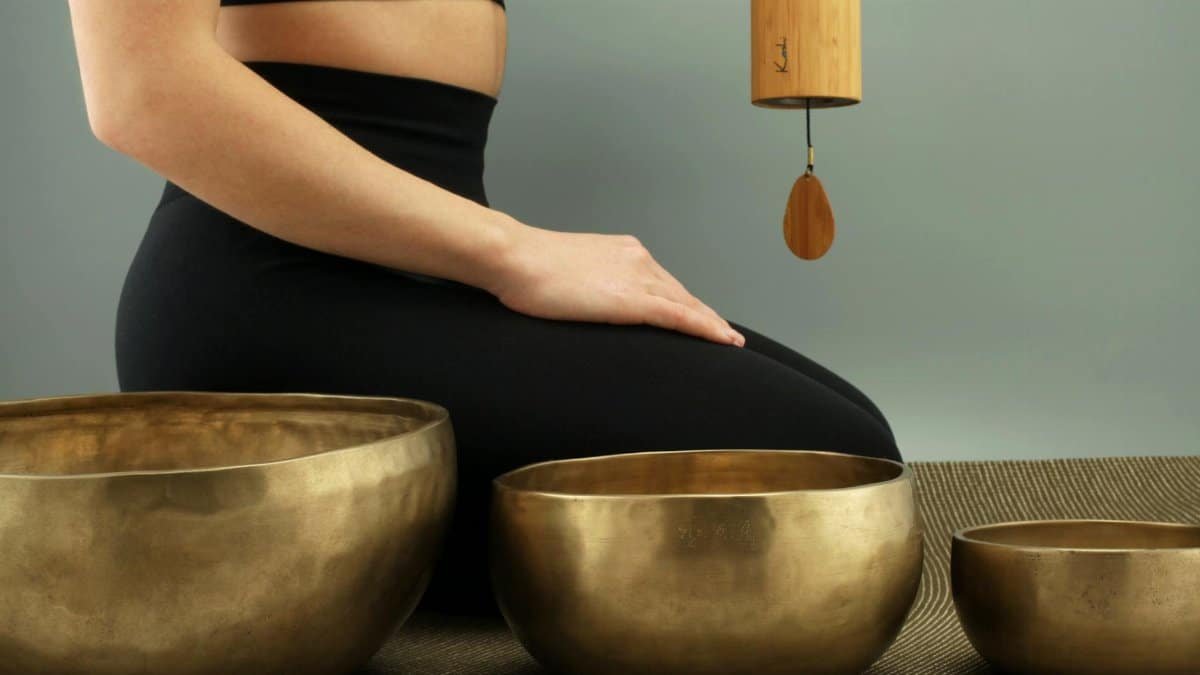
Walk down the bustling streets of Baltimore’s Fells Point neighborhood these days, and you might catch the faint hum of Tibetan singing bowls drifting from a community center window. It’s a subtle sign of a larger shift: sound healing, baltimore wellness, stress relief initiatives are weaving their way into the city’s fabric, offering residents a sonic escape from the grind of urban life. Once dismissed as fringe practices, these sessions—using gongs, chimes, and rhythmic vibrations—are now gaining traction as legitimate tools for mental health. Local health experts point to rising stress levels amid economic pressures and post-pandemic recovery, making such accessible therapies more appealing than ever. In 2025, Baltimore’s public health officials are even integrating them into wellness programs, aiming to build community resilience. This isn’t just a trend; it’s a response to a real need, blending ancient traditions with modern science to help people unwind and reconnect.
The Ancient Roots Meet Modern Baltimore

Sound healing isn’t new. Cultures around the world have long harnessed vibrations for well-being, from Indigenous American drumming circles to Himalayan monastic chants. In Baltimore, this practice is finding fresh ground in a city known for its grit and cultural depth. Picture a group of locals gathered in a converted warehouse space, the air thick with anticipation as a facilitator strikes a massive gong. The deep resonance fills the room, washing over participants like a tidal wave, easing tensions built from daily commutes and job uncertainties.
Historians note that sound-based therapies date back millennia, but their resurgence here ties into Baltimore’s push for holistic health. A study from the Johns Hopkins Bloomberg School of Public Health highlights how urban noise pollution exacerbates stress, making intentional sound interventions a clever counterbalance. As one anonymous participant shared in an online discussion, the experience felt like “a reset button for my overwhelmed mind,” capturing a sentiment echoed by many seeking relief without pharmaceuticals.
This blending of old and new isn’t seamless. Some skeptics question its efficacy, but proponents argue it’s about complementing traditional medicine. In neighborhoods like Sandtown-Winchester, where community health disparities persist, sound healing sessions are popping up in libraries and parks, democratizing access to stress relief.
Science Behind the Vibrations
Dive into the mechanics, and sound healing starts to make sense beyond the mystical. Vibrations from instruments like crystal bowls or tuning forks interact with the body’s own frequencies, potentially influencing brain waves and hormone levels. Research suggests this can shift the nervous system from fight-or-flight mode to rest-and-digest, a key for stress relief.
Consider a recent finding from the National Institutes of Health: biofield therapies, which include sound-based methods, show promise in reducing anxiety. Participants in controlled studies reported lower cortisol levels after sessions, pointing to tangible physiological changes. In Baltimore, wellness centers are incorporating these insights, tailoring programs for high-stress groups like first responders.
It’s not all straightforward. Not every session yields the same results, and individual responses vary. Yet, when a nurse from Johns Hopkins describes feeling “waves of calm” during a group sound bath, it illustrates the personal impact. This variability adds a layer of intrigue, encouraging ongoing research.
For more on the science, check out this NIH report on biofield therapies, which underscores potential benefits for chronic stress.
Baltimore’s Community-Driven Wellness Push

In a city grappling with public health challenges, sound healing is emerging as a grassroots solution. Local organizations like the Baltimore Community Foundation are funding workshops, integrating them into broader wellness strategies. Imagine a Saturday morning in Druid Hill Park: families sprawl on blankets, absorbing the soothing tones of handpans, a far cry from the usual urban clamor.
This movement aligns with 2025 trends in U.S. urban health, where cities like Baltimore prioritize mental resilience amid rising burnout rates. A Pew Research Center survey reveals that 62% of Americans cite stress as a major issue, up from previous years, fueling demand for innovative relief methods.
Challenges arise, though. Accessibility remains key; not everyone can afford private sessions. That’s why public initiatives matter, bridging gaps in underserved areas. One resident, reflecting on a free community event, noted how it “brought neighbors together in a way therapy couldn’t,” highlighting the social bonding aspect.
Explore Pew’s findings here: Pew Research on Mental Health Trends.
Personal Stories of Transformation
Stories bring the concept alive. Take Sarah, a fictional composite based on real accounts—a teacher in East Baltimore juggling lesson plans and family demands. She stumbled into a sound healing circle after a particularly rough week. As the facilitator guided the group through breathing synced with chimes, Sarah felt knots in her shoulders loosen. “It was like the noise in my head finally quieted,” she later recalled.
Such narratives are common in Baltimore’s wellness scene. They underscore how sound healing, baltimore wellness, stress relief isn’t just theory; it’s a lived experience. For veterans dealing with PTSD, these sessions offer a non-verbal path to peace, complementing counseling.
Of course, not every story is a success. Some find the intensity overwhelming at first, requiring gradual exposure. This nuance reminds us that wellness tools must be adaptable, respecting individual paces.
Integrating Sound Healing into Daily Life
Moving beyond group sessions, many Baltimoreans are weaving sound practices into routines. Simple apps deliver binaural beats for quick stress breaks, while others invest in home instruments. A downtown office worker might pause midday for a five-minute gong meditation via headphones, resetting amid deadlines.
Experts from the University of Maryland School of Medicine emphasize starting small. Their wellness programs recommend combining sound with mindfulness for amplified effects. Data from a university-led pilot shows participants experiencing 20% better sleep quality after consistent use.
But integration isn’t without hurdles. Distractions in a noisy city can dilute benefits, prompting creative solutions like soundproofed home corners. As trends evolve in 2025, expect more hybrid approaches, blending tech with traditional methods.
For insights into sleep and stress, see this University of Maryland Wellness Resources.
Challenges and Criticisms in the Field

No practice is immune to scrutiny. Critics argue sound healing lacks rigorous evidence, labeling it pseudoscience. In Baltimore, where evidence-based medicine reigns supreme thanks to institutions like Johns Hopkins, this debate simmers.
Yet, emerging studies counter that view. A meta-analysis in the Journal of Evidence-Based Integrative Medicine found moderate benefits for anxiety reduction. Still, the field needs more large-scale trials to solidify its place in public health.
Accessibility issues persist too—cultural barriers or skepticism in certain communities. Addressing these requires inclusive outreach, ensuring sound healing, baltimore wellness, stress relief reaches diverse populations.
Review the meta-analysis here: Journal of Evidence-Based Integrative Medicine (search for sound healing studies).
The Broader Impact on Public Health
As Baltimore invests in sound healing, the ripple effects could reshape public health strategies. Reduced stress correlates with lower healthcare costs, potentially easing burdens on systems strained by mental health crises.
Nationally, the CDC reports stress-related illnesses cost billions annually. By promoting sound-based interventions, cities like Baltimore might set a model for proactive wellness.
Looking at one program in the city’s schools, students exposed to weekly sound sessions showed improved focus, according to preliminary data. This hints at long-term benefits, fostering resilient generations.
Looking Ahead: Sustaining the Momentum

Maintaining this momentum means collaboration. Partnerships between artists, healers, and medical professionals are key. In 2025, expect expanded offerings, perhaps virtual sessions for remote access.
Ultimately, sound healing, baltimore wellness, stress relief represents a hopeful pivot toward holistic care. It’s about tuning into what the body needs, one vibration at a time.