

In the dim glow of a smartphone screen at dawn, Sarah Thompson, a 42-year-old marketing executive from Seattle, once started her days scrolling through endless feeds. Notifications pinged relentlessly, pulling her into a vortex of urgency and distraction. Then, one crisp autumn morning, she traded her device for binoculars and stepped into a nearby park. There, amid the rustle of leaves, she discovered slow birding, a deliberate practice of observing birds with unhurried patience. No apps, no checklists, just quiet immersion. What began as an experiment has since reshaped her life, offering a profound counterpoint to the digital frenzy that defines modern existence.
The Allure of Unrushed Observation

Slow birding invites participants to savor the subtleties of avian life, far removed from the checklist driven approach of traditional birdwatching. Practitioners linger in one spot, attuning their senses to the faintest chirps or fleeting shadows. This method, gaining traction across the United States, emphasizes quality over quantity. Enthusiasts report heightened awareness, where a single warbler’s trill can anchor the mind for hours. In an era dominated by quick dopamine hits from social media, this slow pace reclaims time, fostering a meditative state akin to mindfulness practices but rooted in the wild.
Tech Burnout: A National Epidemic

Recent surveys reveal that nearly 70 percent of American workers experience burnout symptoms, with technology often cited as the primary culprit. Constant connectivity blurs boundaries between work and rest, leading to chronic stress, anxiety, and diminished focus. Psychologists describe this as “digital exhaustion,” where the brain struggles to process incessant information streams. Slow birding emerges as a targeted remedy, compelling individuals to disconnect and reconnect with the tangible world. Participants describe it as a reset button, interrupting the cycle of overload with moments of pure presence.
Neural Rewiring Through Nature

Neuroscience supports the transformative power of slow birding. Studies from the University of Utah show that extended time in natural settings reduces activity in the brain’s default mode network, the region linked to rumination and mind wandering (source). By focusing intently on birds, practitioners engage the prefrontal cortex, enhancing executive function and emotional regulation. This shift from fragmented attention to sustained observation mirrors cognitive behavioral techniques used in therapy, but delivered through the elegance of feathered subjects.
Personal Testimonies from the Trails
David Ruiz, a software engineer from Austin, Texas, found solace in slow birding after a corporate merger left him sleepless and irritable. “I used to check emails during hikes,” he recalls. “Now, I sit motionless by a pond, watching a heron stalk its prey. Time dilates.” Similar stories proliferate in online forums and local Audubon chapters. A mother from Chicago shares how weekly outings with her family replaced screen time, strengthening bonds and easing collective burnout. These narratives underscore slow birding’s accessibility, requiring little more than curiosity and sturdy shoes.
Practical Steps to Embrace the Practice
Beginners can start small. Select a local green space, arrive early when birds are most active, and silence all devices. Choose a single species or habitat to observe, resisting the urge to move frequently. Bring a field guide, but prioritize naked eye viewing. Journaling observations deepens the experience, capturing not just sightings but emotional responses. Experts recommend 30 minute minimum sessions, gradually extending to full mornings. Over time, this builds resilience against tech induced haste, turning outings into rituals of renewal.
Urban Adaptations for City Dwellers

Not everyone has access to pristine wilderness, yet slow birding thrives in concrete jungles. New York City’s Central Park hosts dedicated groups scanning treetops for migrants. In Los Angeles, community gardens yield surprising diversity. Participants tune into rooftop flocks or alleyway sparrows, proving that proximity to nature matters less than intention. Apps like eBird offer inspiration without intrusion, used sparingly for post outing verification. This adaptability democratizes the practice, making it viable for the 80 percent of Americans living in urban areas.
Fostering Community and Shared Calm

Slow birding cultivates connections beyond solitary pursuits. Local meetups, such as those organized by the Cornell Lab of Ornithology, gather like minded souls for silent vigils. Conversations emerge organically, often delving into life’s deeper questions rather than surface chatter. These gatherings combat isolation, a byproduct of remote work and virtual interactions. One organizer notes, “We share thermoses of coffee and stories of rediscovery, all while the birds provide the soundtrack.” Such communities amplify the antidote effect, embedding slow birding into social fabric.
Measuring the Mental Health Gains

Emerging research quantifies benefits. A 2023 pilot study by the American Psychological Association found that regular slow birders reported 40 percent lower anxiety scores after eight weeks (source). Cortisol levels dropped, sleep improved, and productivity paradoxically rose upon returning to desks. Unlike gym workouts or yoga, which demand effort, slow birding feels effortless, appealing to those overwhelmed by additional commitments. Therapists increasingly prescribe it as “green exposure therapy,” blending ecopsychology with evidence based care.
Overcoming Common Hurdles

Skeptics cite impatience or weather as barriers, yet advocates counter with preparation. Dress in layers, carry snacks, and embrace discomfort as part of the unlearning process. For those bored by stillness, pair it with photography or sketching to sustain engagement. Boredom itself fades, replaced by wonder at overlooked details like plumage iridescence or behavioral quirks. Consistency trumps perfection; even brief encounters accumulate benefits. As one veteran puts it, “The birds don’t rush. Why should we?”
The Broader Cultural Shift

Slow birding reflects a larger movement toward intentional living, echoing trends in slow food and slow travel. Books like “The Lost Art of Reading Nature’s Signs” fuel interest, while podcasts dissect its philosophy. Retailers stock minimalist gear, from ergonomic binoculars to weatherproof notebooks. Social media, ironically, spreads the word through serene videos, drawing newcomers wary of irony. This resurgence signals societal fatigue with acceleration, positioning slow birding as a quiet revolution against burnout.
A Call to Wings Unfurled
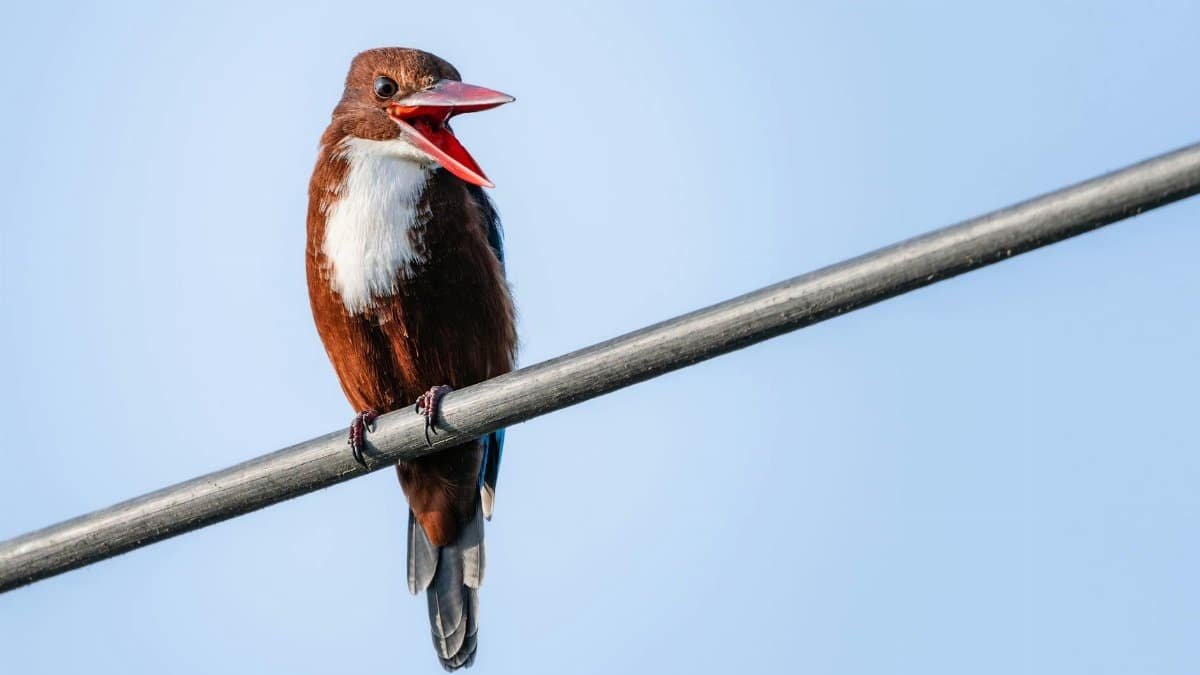
As technology evolves unabated, practices like slow birding offer enduring refuge. They remind us that healing lies not in faster processors, but in slower gazes. Whether amid city parks or rural thickets, this mindful pursuit restores equilibrium, one feather at a time. For those teetering on exhaustion’s edge, the invitation stands: step outside, still your mind, and let the birds lead the way to clarity.