
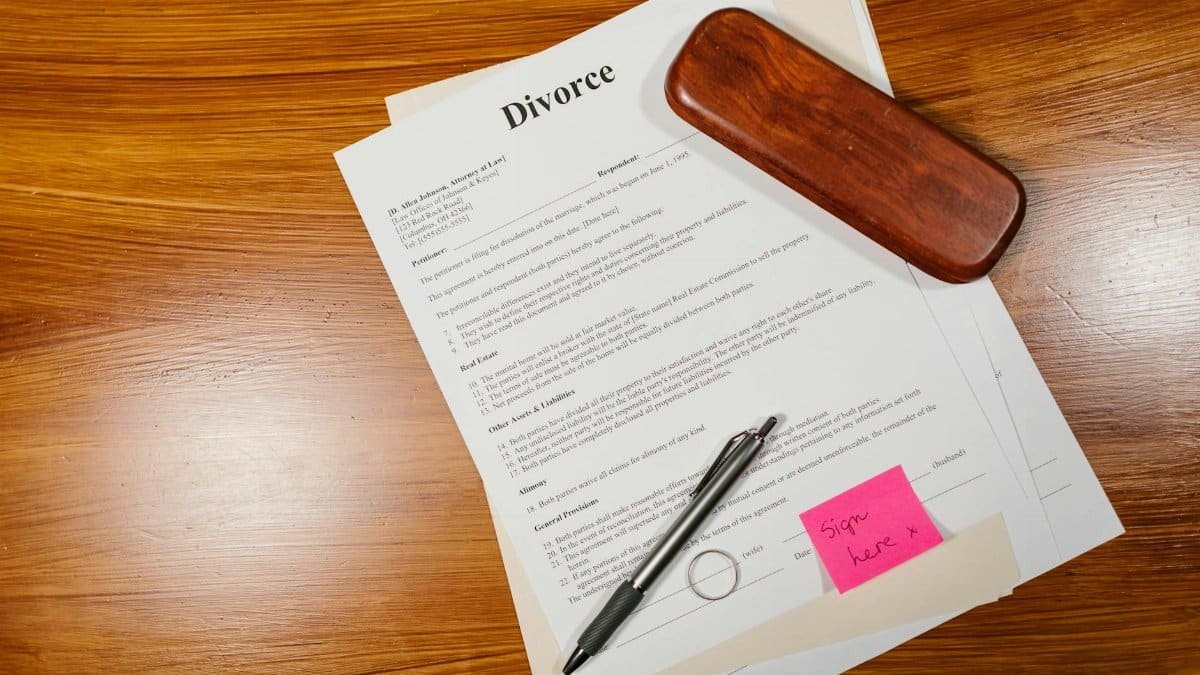
Love your spouse, hate their snoring? You’re not alone. Sleep divorce—the practice of couples sleeping in separate rooms to prioritize better mental health—has emerged as the hottest and most controversial relationship trend of 2026. Announced globally on January 15, this shift challenges traditional notions of intimacy while addressing a widespread sleep disruptor. Couples worldwide report strained nights due to snoring, pushing them toward separate sleeping arrangements for restorative rest and improved well-being.
What Defines Sleep Divorce?

Sleep divorce refers specifically to partners choosing separate bedrooms or beds without ending their romantic commitment. This arrangement targets sleep quality as a cornerstone of mental health. The term captures a deliberate split in sleeping spaces, often driven by one partner’s disruptive habits like snoring. In 2026, it stands out as a practical response to chronic sleep interruptions that erode daily functioning and emotional resilience. Unlike full separations, sleep divorce preserves daytime partnership while safeguarding nighttime recovery.
The Snoring Epidemic in Relationships
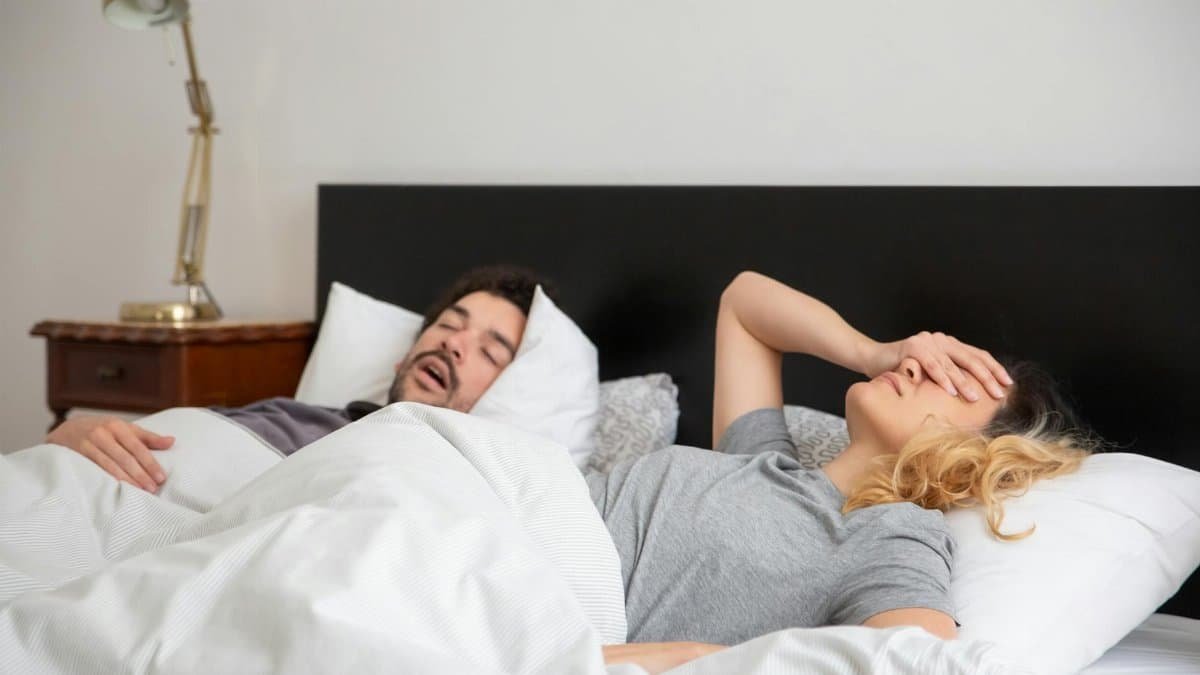
Snoring tops the list of sleep saboteurs in marriages. It creates a nightly battleground where one partner’s noise robs the other of deep sleep cycles essential for mental clarity. Affected spouses endure fragmented rest, leading to irritability, reduced focus, and heightened stress. The global alert on January 15 highlighted this universal frustration: loving a partner deeply yet dreading bedtime sounds. This issue affects millions, turning shared beds into sources of resentment rather than comfort.
Mental Health Gains from Separate Sleep

Better sleep directly bolsters mental health, and sleep divorce delivers on that promise. Separate rooms allow uninterrupted rest, fostering emotional stability and sharper cognitive function. Partners wake refreshed, with less tension spilling into daily interactions. The practice counters sleep deprivation’s toll—mood swings, anxiety spikes, and relational friction. By isolating sleep environments, couples invest in long-term psychological wellness, proving that physical distance at night can strengthen bonds overall. Studies link quality sleep to lower depression risks, underscoring why this trend resonates.Sleep Foundation on Sleep and Mental Health
Why 2026 Marks the Surge

This year positions sleep divorce as the defining relationship trend. The January 15 global announcement ignited discussions, framing it as a bold solution amid rising awareness of sleep’s role in wellness. Post-pandemic emphases on health have amplified its appeal, with couples prioritizing rest over rigid traditions. It’s not just a fad; it’s a response to persistent snoring complaints that previous generations endured silently. In 2026, open conversations normalize it, reflecting evolving views on marriage flexibility.
The Controversy Sparked by Separate Beds

Not everyone embraces sleep divorce. Critics argue it signals deeper issues, potentially weakening emotional intimacy. Detractors see separate rooms as a step toward full divorce, questioning if physical separation erodes romance. Proponents counter that ignoring sleep woes invites bigger problems, like burnout or breakups. This divide fuels 2026 debates: Is it a healthy hack or a red flag? The trend’s hottest status stems from this tension, drawing media scrutiny and public polls. Yet, its mental health focus challenges skeptics to reconsider bedtime norms.
Global Reach of the Trend

From U.S. suburbs to international cities, sleep divorce crosses borders. The January 15 report labeled it a worldwide phenomenon, uniting couples frustrated by snoring regardless of culture. In diverse households, it adapts to local customs while addressing universal sleep needs. American trends mirror this, with urban professionals leading adoption for work-life balance. Globally, it gains traction as mental health conversations expand, proving snoring’s disruption knows no geography.
Practical Steps for Couples Considering It

Starting sleep divorce begins with honest talks about snoring’s impact. Couples assess bedroom setups, designating separate spaces without drama. Trial periods test benefits, monitoring mental health improvements like better moods and energy. Communication remains key—frame it as a team effort for shared wellness. Many find daytime affection intensifies, offsetting any perceived distance. Resources from sleep experts guide implementation, emphasizing trial and adjustment.Sleep Foundation on Sleep Divorce
Long-Term Impacts on Marriages

Over time, sleep divorce fortifies relationships by curbing sleep-related conflicts. Refreshed partners engage more positively, reducing arguments born from exhaustion. Mental health stability enhances empathy and connection, countering critics’ fears. The 2026 trend suggests it’s not eroding marriages but revitalizing them. Couples report stronger bonds, with snoring no longer a wedge. This shift redefines success: prioritizing health sustains love.
U.S. Context in a Global Trend

In the United States, sleep divorce aligns with broader wellness pushes. High-stress lifestyles amplify snoring’s effects, making separate sleep a pragmatic fix. 2026 data points to urban adoption, where dual-income households value rest for productivity. It fits American individualism—customizing marriage for optimal health. Globally synced, yet locally tailored, it reflects cultural openness to innovative intimacy models.
Sleep divorce proves that addressing snoring head-on can transform relationships. As the hottest 2026 trend, it invites couples to weigh mental health against tradition. The verdict? Better sleep often wins.