
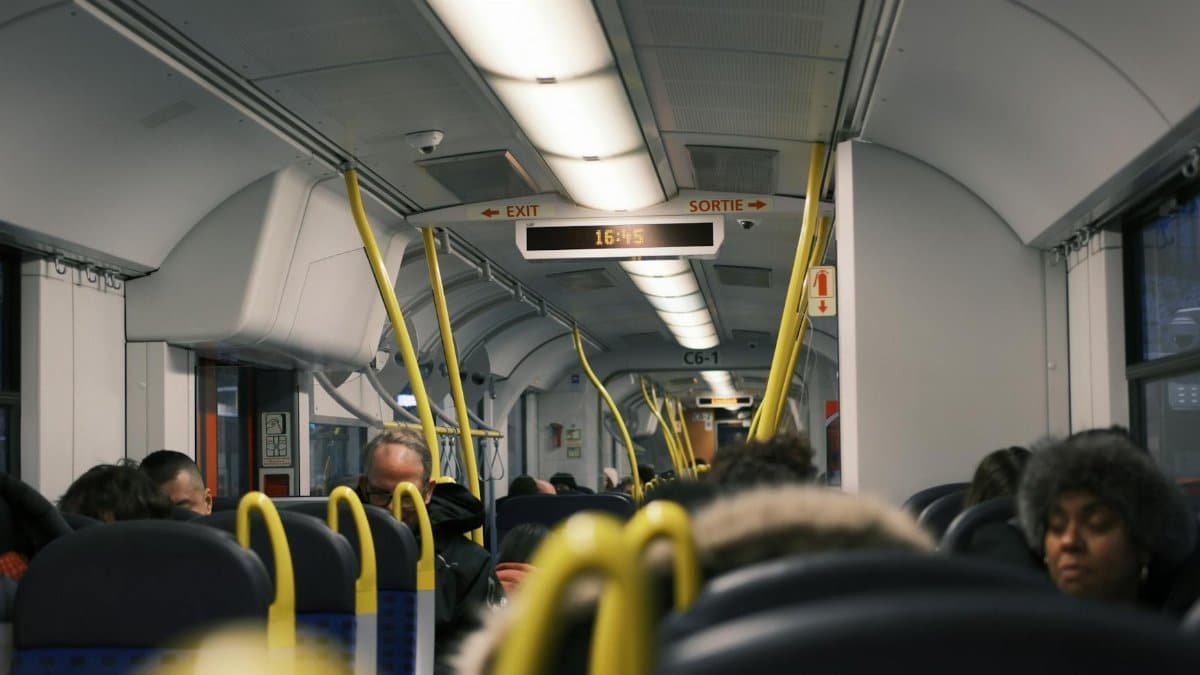
Imagine squeezing into a rush hour subway car, the air thick with the din of overlapping conversations, blaring podcasts from unsecured headphones, and the relentless chatter of cell phone calls echoing off metal walls. For millions of daily commuters in cities like New York and Chicago, this cacophony turns what should be a brief respite into an assault on the senses. Increasingly, riders are voicing a simple yet profound request: dedicated silent transit cars, zones where quiet reigns and passengers can read, reflect, or simply decompress without interruption. This push for hushed compartments on trains represents not just a preference, but a collective yearning to reclaim personal space amid urban hustle.
The Surge in Rider Requests

Public transit agencies across the United States have noted a sharp uptick in calls for quiet cars. In New York City, the Metropolitan Transportation Authority received over 12,000 suggestions last year through its app and hotline, with silent zones topping the list for the third consecutive year. Riders describe these requests as essential for mental health, particularly for those enduring hourlong commutes. Similar patterns emerge in San Francisco’s BART system and Washington’s Metro, where feedback forms brim with pleas for enforced quiet hours. This demand signals a broader shift: commuters no longer tolerate noise as an inevitable byproduct of shared travel.
Why Noise Persists on Trains
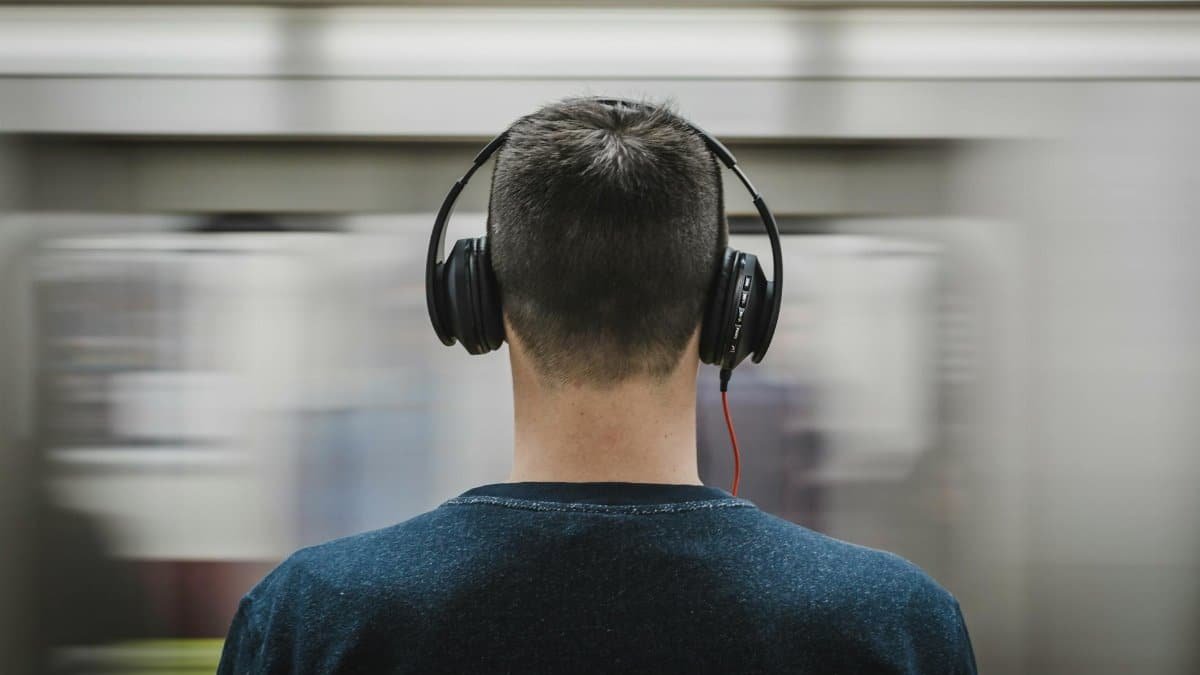
Urban rail lines amplify everyday sounds. Hard surfaces reflect voices, while crowded conditions force proximity. A 2022 acoustic study by the University of California, Berkeley, found average subway noise levels reaching 85 decibels during peak times, comparable to a lawnmower. Cell phone etiquette lags behind; many passengers treat trains as private extensions of their homes, oblivious to the shared space. Cultural norms vary too, with some regions embracing louder interactions. Yet, as remote work blurs lines between professional and personal time, more riders seek silence to prepare for their day or unwind from it.
Health Consequences of Commute Clatter

Chronic exposure to transit noise contributes to stress, elevated cortisol levels, and even hearing loss over time. Research from the World Health Organization highlights transportation noise as a leading environmental health risk in cities, linked to hypertension and sleep disruption. For commuters, the morning ride sets the day’s tone; a 2023 survey by the American Psychological Association revealed that 68 percent of urban professionals report heightened anxiety after noisy trips. Silent transit options could mitigate these effects, offering a buffer against the auditory overload that plagues modern life.
Global Models of Quiet Cars

Europe leads with proven quiet car initiatives. Tokyo’s subway features “women only” and silent cars during rush hours, reducing complaints by 40 percent according to Japan Railways data. In Germany, Deutsche Bahn designates “Schweigen” zones on regional trains, complete with signage and staff enforcement. Closer to home, Toronto’s GO Transit piloted quiet cars in 2019, resulting in 92 percent passenger satisfaction rates per internal metrics. These examples demonstrate feasibility: clear rules, visual cues, and occasional reminders suffice to foster compliance without heavy policing.
Voices from the Commute Front Lines
Everyday riders paint vivid pictures of their struggles. Maria Gonzalez, a teacher from Queens, shares how a single loud caller derails her lesson planning. “I just want 20 minutes of peace,” she says. Tech worker Jamal Reed in Oakland echoes this, noting that silent transit would boost his productivity before coding shifts. Online forums like Reddit’s r/nycrail buzz with similar stories, amassing thousands of upvotes for quiet car petitions. These anecdotes underscore a universal frustration cutting across demographics, from parents to professionals.
Transit Agencies Weigh In

Officials acknowledge the clamor but cite logistical hurdles. Chicago’s CTA explored quiet cars in 2021, only to pause amid staffing shortages. New York’s MTA promises pilot programs by 2025, spurred by rider advocacy. Experts like transit consultant Rachel Klein argue that starting small, with one car per trainset, minimizes disruption while testing waters. Enforcement relies on peer pressure and conductors’ announcements, avoiding costly fines. Agencies also eye revenue potential: quieter rides could attract premium riders willing to pay slightly more.
Economic Upsides of Hushed Rides

Beyond comfort, silent transit promises tangible gains. A study by the Brookings Institution estimates that reduced commute stress could lift national productivity by billions annually, as calmer workers perform better. Real estate near quiet lines might appreciate, drawing families to transit oriented developments. For operators, higher satisfaction translates to loyalty; Amtrak’s quiet cars correlate with a 15 percent ridership bump on select routes, per federal data. Investing in silence positions public transit as a competitive alternative to driving or rideshares.
Overcoming Implementation Obstacles

Challenges abound, from designating cars without confusing passengers to handling violators. Signage must be multilingual and prominent, while apps could notify users of quiet zones in advance. Training staff for gentle interventions prevents escalation. Budget constraints loom, but low cost solutions like stickers and PA scripts prove effective in trials. Equity concerns arise too: ensuring quiet cars serve all lines, not just express routes. Thoughtful design addresses these, paving the way for widespread adoption.
The Cultural Shift Toward Quiet

America’s embrace of silent transit mirrors evolving social norms. Post pandemic, many crave solitude after years of isolation. Libraries and cafes enforce quiet; why not trains? This movement aligns with wellness trends, where mindfulness apps thrive amid noise pollution. Younger riders, digital natives bombarded by notifications, lead the charge for analog calm. As cities densify, silent transit emerges as a cornerstone of livable urbanism, balancing connectivity with respite.
Toward a Quieter Tomorrow

Momentum builds for silent transit nationwide. Petitions garner hundreds of thousands of signatures, and pilot announcements proliferate. By prioritizing quiet cars, transit leaders can transform dreaded commutes into valued routines. The message is clear: in an era of constant connection, the luxury of silence is no longer optional. Riders deserve trains where thoughts can flourish uninterrupted, heralding a new standard for public spaces. As one advocate puts it, “Quiet isn’t selfish; it’s survival.”