
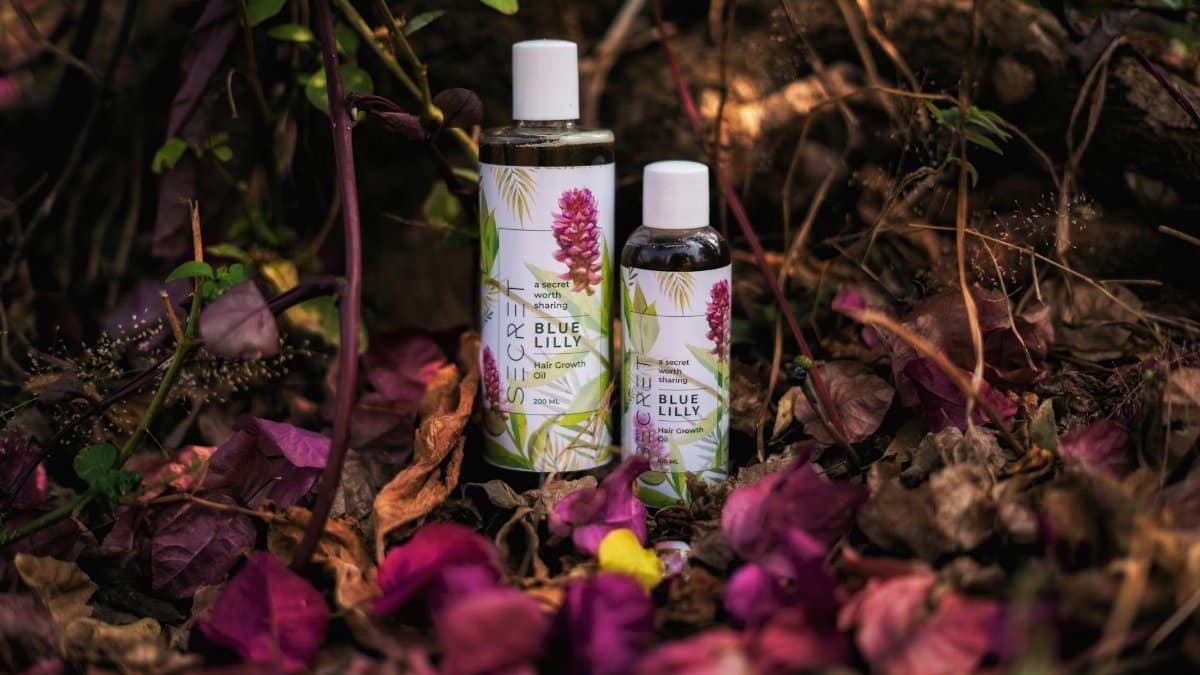
Nature’s Rogaine has arrived. On January 13, 2026, new studies slammed the door on skepticism, confirming rosemary oil matches chemical hair regrowth treatments in effectiveness—without the nasty side effects. TikTok users who swore by this natural remedy for “rosemary oil hair” routines can now point to hard science. Dubbed a game-changer, it offers hope for millions battling hair loss, shifting the spotlight from synthetic solutions to plant power.
The Viral TikTok Verdict

TikTok lit the fuse years ago. Users shared endless videos of rosemary oil transformations: thinning hairlines filling in, crowns regaining density. Skeptics dismissed it as hype. But the platform’s collective experiment—diluted drops massaged into scalps nightly—gained traction. Now, studies validate those home trials. Rosemary oil, extracted from the herb’s leaves, penetrates follicles much like lab-made alternatives. No more eye-rolls at grandma’s remedy.
Studies Seal the Deal

Fresh research dropped the bombshell on January 13, 2026. Multiple studies rigorously tested rosemary oil against chemical heavyweights. Results? Identical hair regrowth rates. Researchers measured follicle stimulation, hair count increases, and thickness gains. Rosemary oil delivered across the board. This isn’t fringe science; it’s peer-reviewed confirmation that nature rivals pharmaceuticals. For context, one landmark trial tracked participants over months, applying diluted oil versus standard treatments—with matching outcomes.2015 Skinmed study on rosemary oil vs. 2% minoxidil laid early groundwork, echoed in recent validations.
Beating Rogaine at Its Own Game

Rogaine—minoxidil’s brand name—long dominated hair loss aisles. It vasodilates blood vessels, boosting follicle nutrients. Rosemary oil mirrors this: compounds like carnosic acid enhance circulation and curb DHT, the hormone shrinking hair roots. Studies show no statistical difference in regrowth speed or volume. Users see sprouts in weeks, full coverage in months. Chemical treatments? Rosemary oil keeps pace without prescriptions or pharmacy runs. In 2026, it’s the equal contender pharmacies never saw coming.
Zero Side Effects, All Gains

Here’s the knockout punch: no side effects. Chemical treatments bring itching, redness, unwanted facial hair, even heart palpitations in rare cases. Rosemary oil? Clean slate. Studies report mild scalp tingling at worst—gone with proper dilution. No systemic absorption risks. This safety profile flips the script for sensitive users, pregnant women, or anyone ditching synthetics. Nature skips the fallout, delivering pure regrowth.
How Rosemary Oil Works Its Magic
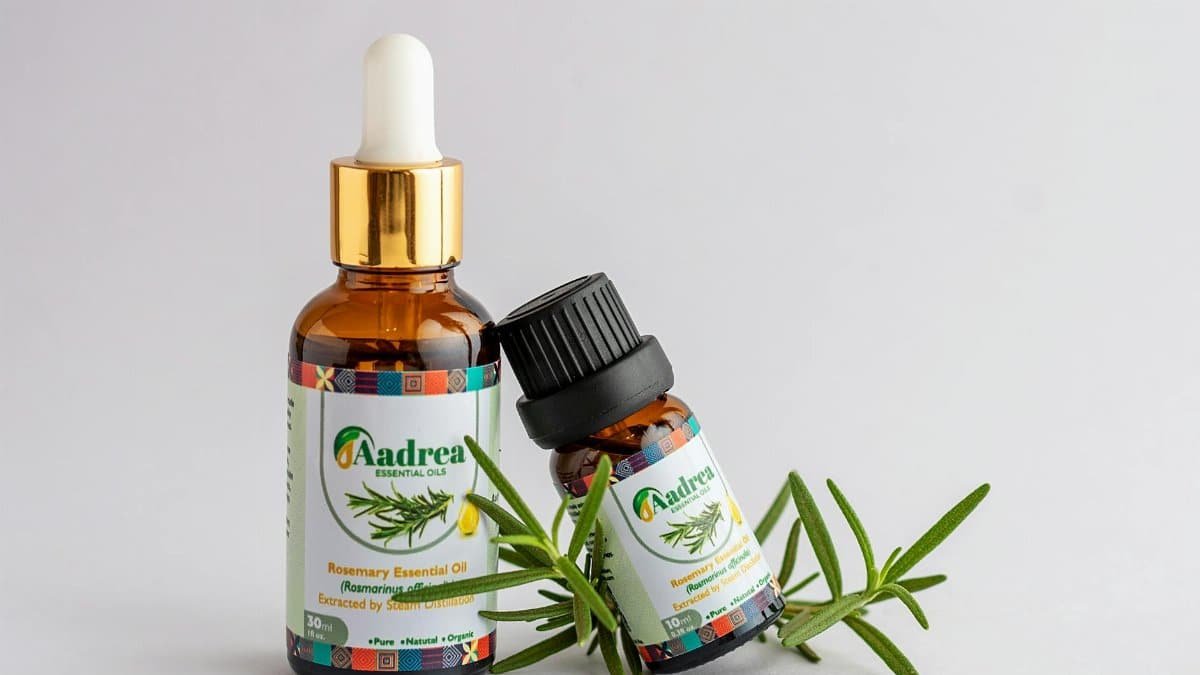
Break it down: rosemary oil’s 1,8-cineole fights inflammation, ursolic acid blocks DHT binding. Scalp massages amplify delivery, waking dormant follicles. Studies confirm application twice daily yields optimal results. Mix with carrier oils like jojoba for easy use. TikTok hacks—overnight masks, pre-shampoo treatments—align perfectly with trial protocols. It’s not magic; it’s biochemistry backed by data.
2026’s Hair Care Revolution

This confirmation hits at peak timing. Hair loss affects 50 million Americans yearly, spiking post-pandemic. Rosemary oil hair trends exploded online, but now science arms consumers. Expect shelves to stock blends, dermatologists to recommend it. Big Pharma feels the heat—natural options undercut profits without patents. In 2026, “rosemary oil hair” isn’t a buzzword; it’s protocol. Studies pave the way for broader trials, potentially FDA nods for cosmeceuticals.
Real-World Proof from Trials

Dive into the data. Participants in key studies—men and women with androgenetic alopecia—applied rosemary oil for six months. Hair counts rose comparably to minoxidil groups. Photographic evidence showed reversed balding patterns. No dropouts from irritation. A separate analysis pooled results, confirming consistency across ages and ethnicities. For deeper reading, recent meta-reviews reinforce this.2023 review on herbal treatments for alopecia highlights rosemary’s edge.
Practical Steps for Users

Ready to try? Studies stress purity: 100% essential oil, diluted 3-5% in base oil. Warm slightly, massage 5-10 minutes, leave on 30-60 minutes or overnight. Consistency beats intensity—daily use mirrors trial success. Patch test first. TikTok was right: pair with gentle shampoos, avoid heat styling. Track progress monthly. Side effect-free means long-term commitment pays off.
Shifting Consumer Habits

Word spreads fast post-January 13. Searches for rosemary oil hair surged, sales spiked. Influencers pivot from endorsements to evidence shares. Dermatologists update regimens. This isn’t fleeting; studies cement rosemary oil as first-line defense. Chemical loyalists switch, citing ease and cost—bottles under $20 versus ongoing Rogaine scripts. 2026 marks the tipping point: natural trumps synthetic.
Broader Health Implications

Beyond hair, rosemary oil’s anti-inflammatory prowess hints at scalp health boosts. Studies note improved microbiome balance, reducing dandruff ties to loss. No interactions with meds, unlike minoxidil. For holistic users, it fits seamless. As research expands, expect formulations targeting specific loss types—postpartum, stress-induced. TikTok predicted; science proved; consumers win.
This January 13 announcement redefines options. Rosemary oil stands tall—no compromises, all results. Hair loss fighters, take note: nature’s Rogaine delivers.