

Why Rest Feels Wrong in a Hustle-Obsessed World

Is awareness emotions the missing link in a society that glorifies non-stop grinding? In 2025, Americans are burning out faster than ever, chasing productivity at the expense of mental health. New data from the American Psychological Association shows 77% of workers report stress-related symptoms, up from last year. This isn’t just fatigue—it’s a deep-seated guilt when we try to pause. Awareness emotions, the practice of tuning into your inner feelings without judgment, could flip the script. It challenges the hustle myth, urging people to confront why rest sparks unease. As one expert puts it, it’s about reclaiming peace in a world that equates stillness with failure.
Understanding Awareness Emotions Basics
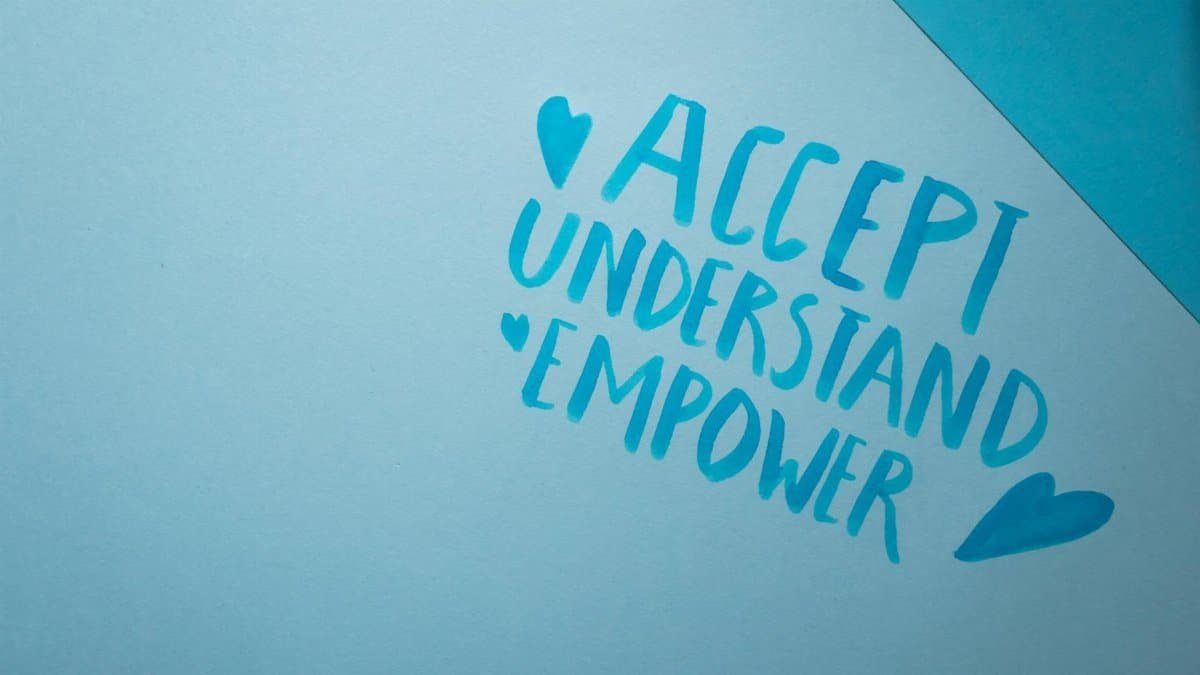
Awareness emotions involve recognizing and accepting your feelings in the moment, without the pressure to act on them immediately. This concept draws from mindfulness traditions but applies directly to emotional states. In a hustle-obsessed culture, it counters the idea that emotions like guilt or anxiety during rest are signals to push harder. Instead, it encourages observation. Psychologists note this can reduce stress by breaking the cycle of constant achievement. For many, it’s a tool to navigate the pressure of always-on work life, where downtime feels like a betrayal of ambition.
The Roots of Hustle Culture Guilt

Hustle culture thrives on the narrative that success demands sacrifice, making rest seem lazy or unproductive. This mindset traces back to industrial-era work ethics, amplified by social media’s highlight reels. When people attempt to unplug, emotions like shame bubble up—why? Because society wires us to link worth to output. Awareness emotions steps in here, helping individuals identify these ingrained beliefs. A study from Harvard University highlights how chronic busyness leads to emotional exhaustion. By practicing emotional awareness, folks can unpack why pausing triggers discomfort, paving the way for genuine recovery.
How Social Media Fuels the Fire

Platforms like Instagram and LinkedIn bombard users with success stories, intensifying the fear of falling behind. Scrolling through #hustle posts creates a false urgency, where rest equals irrelevance. Awareness emotions counters this by fostering self-compassion amid the noise. Experts from the American Psychological Association’s Stress Resources explain that constant comparison heightens negative emotions. In 2025, with remote work blurring boundaries, more Americans report feeling guilty for logging off. Tuning into these emotions without judgment can disrupt the cycle, allowing space for rest without self-reproach.
Real Impacts on Mental Health

Persistent hustle erodes well-being, leading to anxiety, depression, and burnout. The Centers for Disease Control and Prevention reports rising mental health issues tied to work stress. Awareness emotions promotes healthier responses by encouraging people to notice feelings like overwhelm before they spiral. It’s not about ignoring ambition but balancing it with self-care. Therapists recommend simple practices, like journaling emotional states during breaks, to build resilience. This approach has gained traction in corporate wellness programs, where employees learn to view rest as essential fuel rather than a weakness.
Practical Steps to Embrace Rest

Start small: Set aside five minutes daily to sit with your emotions without distractions. Notice any resistance to stillness and label it gently. Awareness emotions builds from there, perhaps through guided apps or therapy sessions. Incorporate boundaries, like no-work zones in your home, to normalize downtime. Research from the CDC’s Mental Health Resources supports that mindful practices lower cortisol levels. In a world pushing endless productivity, these steps help rewire the brain to accept rest as a right, not a reward.
Challenges in Adopting This Mindset
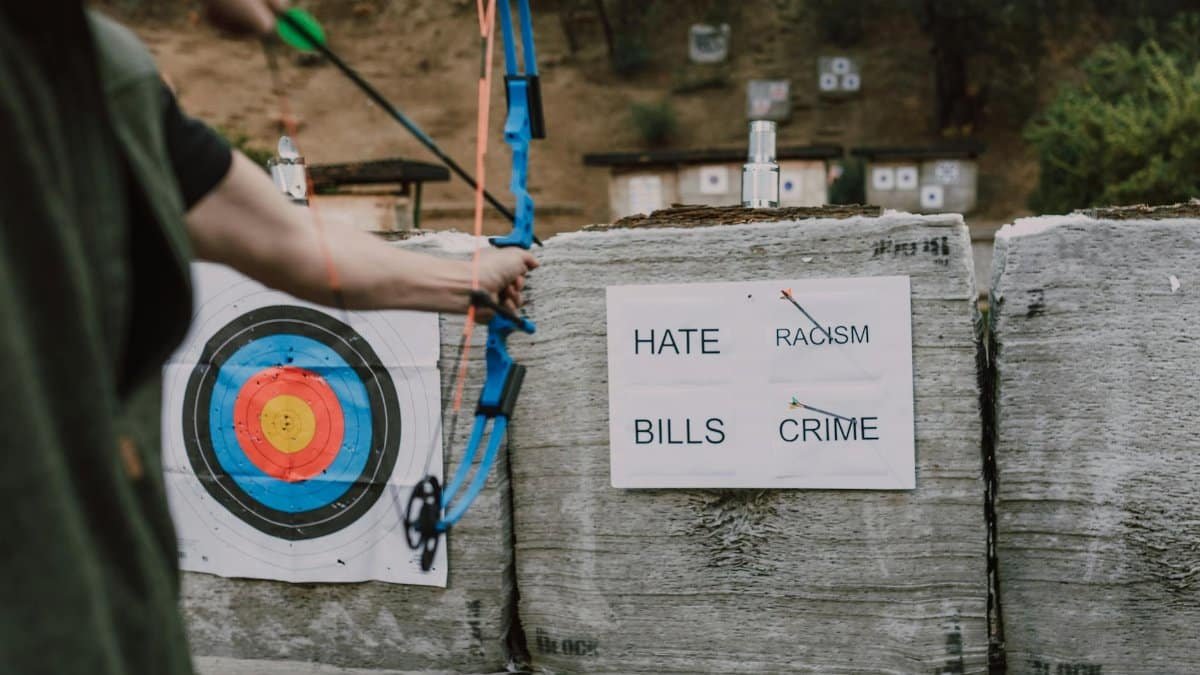
Not everyone buys into awareness emotions easily—critics say it’s too passive in a competitive job market. Economic pressures, like stagnant wages and job insecurity, make hustling feel necessary. For low-income workers, rest might seem like a luxury they can’t afford. Yet, advocates argue ignoring emotions only worsens burnout. Overcoming this requires systemic changes, like better labor policies, alongside personal tools. In 2025, movements for work-life balance are growing, but individual awareness remains key to pushing back against cultural norms that demonize pause.
Success Stories from Everyday People

Take Mark Thompson, a New York tech worker who hit rock bottom after years of 80-hour weeks. He discovered awareness emotions through a wellness retreat and now credits it for saving his sanity. “I used to feel worthless without my laptop,” he says. “Now, I recognize that guilt as just a feeling, not truth.” Similar tales emerge from across the U.S., where parents and entrepreneurs alike report better sleep and focus after embracing emotional awareness. These anecdotes underscore how tuning in can transform rest from a chore into a vital practice.
The Broader Societal Shift

As awareness emotions gains momentum, it’s influencing policies and workplaces. Companies like Google offer mindfulness training to combat hustle fatigue. This reflects a cultural pivot toward valuing mental health over output. In 2025, expect more discussions on emotional intelligence in education and leadership. By addressing why rest feels wrong, society can foster environments where people thrive without constant exertion. It’s a quiet revolution, one emotion at a time, challenging the hustle myth head-on.