

Are you okay? That’s the question echoing through airport lounges and social feeds as of January 30, 2026. The rawdogging trend—enduring 12-hour flights by staring blankly at the seatback, sans entertainment—has ignited a fierce debate on male mental health. Travelers ditch screens, snacks, and distractions for raw endurance. Critics call it a red flag. Supporters hail it as mental toughness training. This viral flight ritual exposes deeper worries about men’s emotional states amid rising stress.
What Is Rawdogging Flights?
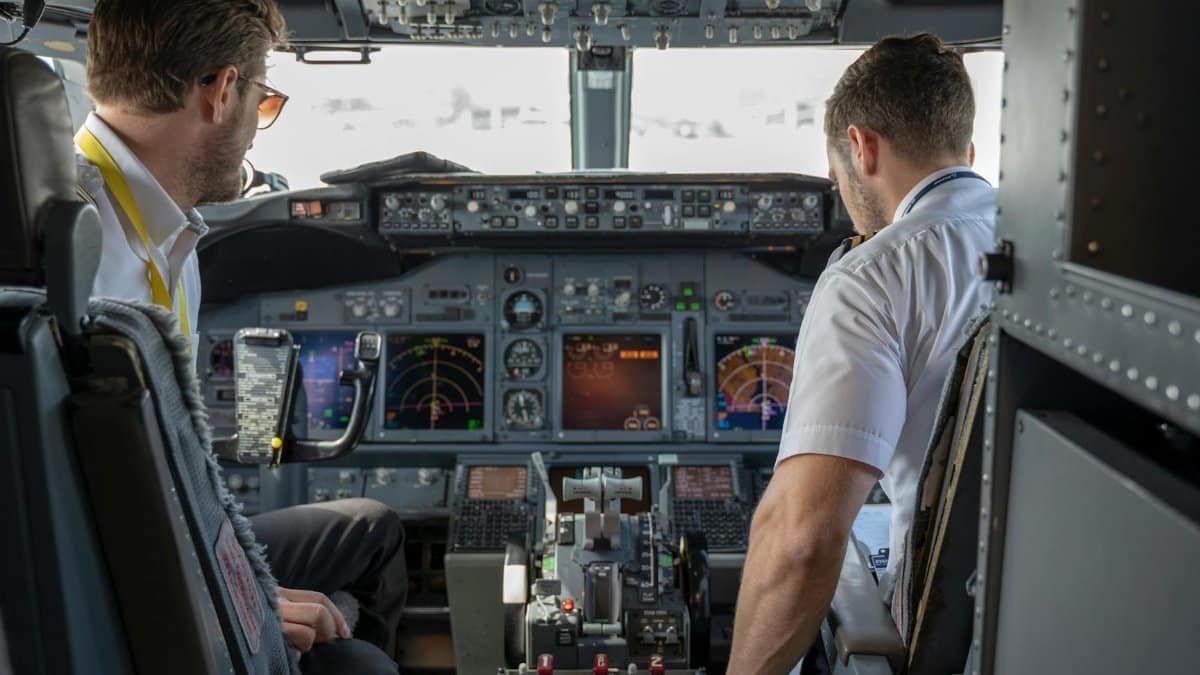
Rawdogging flights strips travel to its bare essence. Passengers lock eyes on the seatback screen ahead, ignoring movies, music, or games. No podcasts. No books. Just the hum of engines and the flight path map crawling across the display. The trend demands full commitment to boredom on long-haul routes. Emerging from online challenges, it tests willpower. By January 2026, it’s no niche stunt. It’s a movement questioning how men cope with isolation.
The 12-Hour Endurance Test
Picture a transatlantic jaunt: 12 grueling hours pinned in economy. Rawdoggers commit from takeoff. They forgo the in-flight menu of blockbusters and playlists. Eyes fixed forward, minds wander—or blank out. The seatback becomes a blank canvas for introspection. Or torment. This isn’t casual skipping of Wi-Fi. It’s deliberate denial. The duration amplifies the stakes, turning a flight into a mental marathon. Reports from early 2026 highlight how this practice dominates discussions on high-altitude resilience.
No Entertainment, Pure Focus

Zero distractions define the core rule. Rawdogging bans headphones, tablets, even neck pillows for some purists. The seatback map—tracking altitude, speed, ETA—serves as the sole lifeline. No scrolling feeds. No dozing off into oblivion. Participants report heightened awareness of bodily discomforts: cramped legs, dry air, turbulence jolts. This unfiltered exposure forces confrontation with thoughts long buried under digital noise. In 2026’s travel scene, it’s positioned as anti-entertainment rebellion.
A Trend Linked to Men

The rawdogging trend skews heavily male. Videos and posts feature guys in hoodies, arms crossed, gazing ahead like statues. Women participate less, per online buzz. This gender tilt fuels speculation. Are men seeking stoic proof in an era of vulnerability talks? The practice mirrors broader patterns: suppressing emotions through extreme self-denial. Mental health advocates note parallels to traditional masculinity norms. As debates rage in early 2026, it spotlights unchecked male struggles.
Sparking a Mental Health Debate

Rawdogging isn’t just quirky. It’s triggering alarms on male mental health. On January 30, 2026, headlines asked outright: Are you okay? Pundits argue staring into void for half a day signals distress. Not discipline. Isolation at 30,000 feet amplifies anxiety, depression risks. The trend coincides with stats on men’s suicide rates and therapy avoidance. Critics say it’s avoidance disguised as grit. Supporters counter it’s therapeutic reset. The clash underscores a crisis: men enduring silently. For deeper context on men’s mental health challenges, see the National Institute of Mental Health overview.
Signs of a Deeper Cry for Help
Why label rawdogging a cry for help? The extremity hints at underlying pain. Choosing 12 hours of nothingness over escape screams overload. Mental health experts tie it to burnout culture. Men, often socialized against seeking aid, opt for solo suffering. Flight confines mimic life’s pressures: no exit, constant motion. In 2026 U.S. discourse, it’s framed as symptom of epidemic silence. Rawdoggers may chase clarity, but observers see escapism flipped inward. The debate pushes calls for open conversations mid-flight—or on ground.
Social Media Amplifies the Buzz

Platforms explode with rawdogging clips. Hashtags track survival tales: “Survived 12 hours raw!” Comments split: cheers for toughness, worries for well-being. The January 30, 2026, surge ties to post-holiday slumps. Viral shares dissect male psyche. One angle: it’s productivity hack, prepping minds for focus. Another: reckless self-harm. This digital arena turns personal stunts public, pressuring more to try. Coverage mirrors the trend’s grip, blending awe and alarm.
Implications for Air Travel in 2026

Airlines watch warily. Rawdogging boosts engagement with basic maps but spikes unease reports. Crews note zombie-like passengers needing checks. The trend reshapes expectations: flights as therapy chambers? For men, it prompts reflection on habits. Broader ripples hit wellness sectors. Podcasts dissect it; therapists book up. As 2026 unfolds, rawdogging forces aviation to confront passenger psyches. Is it harmless fad or mental health wake-up? Coverage like BBC’s report on the flight rawdogging phenomenon underscores its cultural punch. Travel evolves, one blank stare at a time.