
A newborn’s death in New Mexico has exposed the raw milk danger lurking in unpasteurized dairy. On February 5, 2026, the CDC issued an urgent warning, declaring raw milk not a superfood but a biohazard after the infant succumbed to Listeria contamination traced directly to it. This tragedy underscores the severe health risks tied to raw milk consumption, prompting health officials to alert parents and consumers nationwide.
CDC’s Urgent Alert Shakes Public Confidence
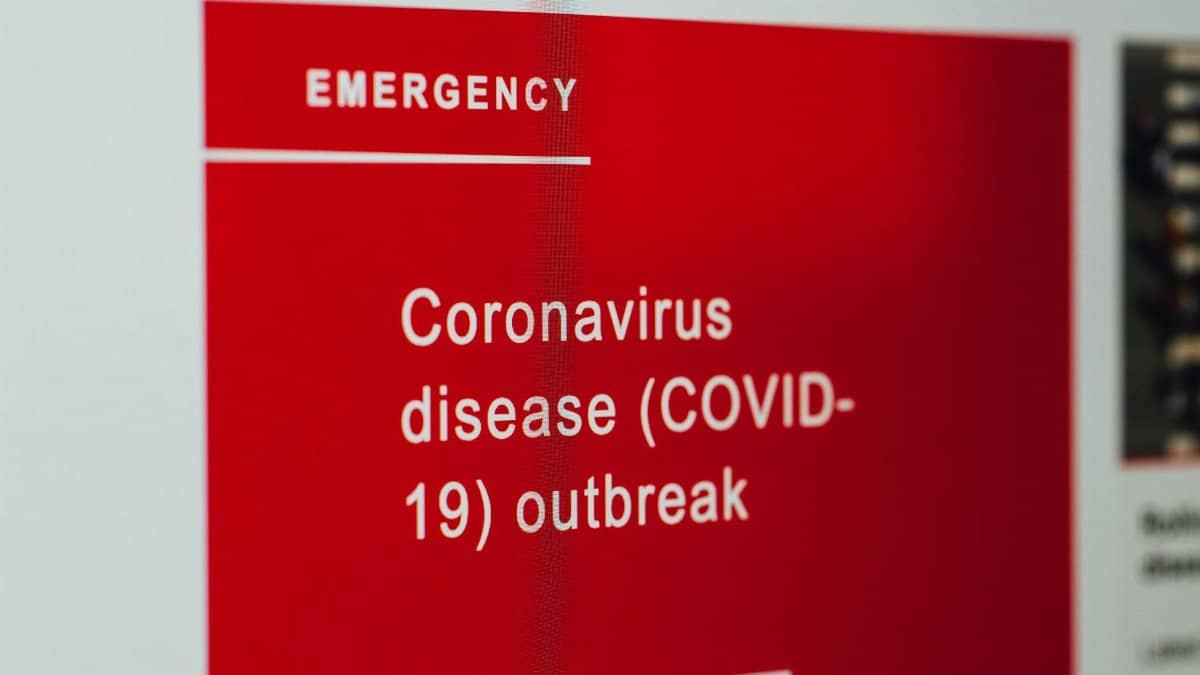
The Centers for Disease Control and Prevention acted swiftly on February 5, 2026, releasing a stark public warning. They labeled raw milk a biohazard, countering claims of its nutritional superiority. This comes amid ongoing debates over raw milk’s benefits versus its perils. The CDC’s statement highlights how harmful bacteria like Listeria thrive in unpasteurized products, evading the safety net of pasteurization. Health experts emphasize that such warnings aim to prevent further incidents, especially vulnerable groups like infants. For detailed CDC guidance on raw milk risks, see their official resource at CDC Raw Milk Safety Page.
New Mexico Newborn’s Tragic End

In a heartbreaking case, a newborn in New Mexico died from Listeria infection explicitly linked to raw milk. The infant’s exposure led to rapid deterioration, culminating in death. This incident, reported on February 5, 2026, serves as a grim reminder of raw milk danger for the most fragile. New Mexico health authorities confirmed the connection, amplifying the CDC’s call to action. Such cases hit hard in communities where raw milk enjoys local popularity, forcing a reckoning with hidden threats in everyday choices.
Listeria: The Silent Killer in Raw Milk
Listeria bacteria pose a deadly risk in raw milk, as evidenced by the New Mexico fatality. Unlike milder pathogens, Listeria strikes newborns with overwhelming force, causing severe illness or death. The CDC’s warning ties this directly to unprocessed dairy, where bacteria survive without heat treatment. Symptoms escalate quickly in infants—fever, lethargy, and organ failure—leaving little room for recovery. This biohazard label from the CDC drives home the point: raw milk’s natural state harbors pathogens that pasteurization eliminates. Learn more about Listeria outbreaks via the CDC Listeria Surveillance Page.
Raw Milk’s Biohazard Reality
Raw milk skips pasteurization, retaining bacteria like Listeria that make it a biohazard. The CDC’s February 5 declaration rejects superfood hype, focusing on proven dangers. In 2026, as U.S. interest in unprocessed foods grows, this warning resets the narrative. Raw milk proponents tout enzymes and probiotics, but officials stress contamination risks outweigh unverified gains. The New Mexico death illustrates how one tainted batch spells disaster, particularly for immune-compromised individuals.
Why Infants Face the Greatest Raw Milk Danger
Newborns stand most vulnerable to raw milk’s perils, as the New Mexico case proves. Their underdeveloped immune systems can’t combat Listeria effectively. The CDC targets parents in its urgent alert, urging avoidance of raw dairy for children. This 2026 incident amplifies long-standing advice: even small amounts can trigger fatal infections. Health trends show families experimenting with raw milk for perceived health boosts, but evidence points to heightened risks for babies.
Challenging the Superfood Myth

“It’s not a superfood, it’s a biohazard.” The CDC’s blunt phrasing on February 5 dismantles raw milk’s allure. Marketing paints it as nutrient-rich, yet unpasteurized status invites deadly microbes. The newborn’s Listeria-linked death validates this stance, shifting focus from benefits to raw milk danger. In 2026 U.S. wellness circles, this warning prompts scrutiny of farm-fresh claims versus lab-tested safety.
Public Health Wake-Up Call

The CDC’s action signals broader implications for raw milk access and education. Following the New Mexico tragedy, officials push for awareness campaigns targeting high-risk groups. This urgent warning aims to curb consumption, especially in states with raw milk sales. By framing it as a biohazard, the CDC equips consumers to prioritize pasteurized alternatives. Early 2026 data may reflect dips in raw milk demand as news spreads.
Steps to Avoid Raw Milk Risks

Health authorities recommend steering clear of raw milk entirely, per the CDC’s February 5 guidance. Opt for pasteurized dairy to eliminate Listeria threats. Parents should double-check labels and sources, avoiding unverified farm products. This proactive approach shields infants from the raw milk danger exposed in New Mexico. Community education remains key, turning tragedy into prevention.
National Ripple Effects in 2026
The CDC warning resonates across the U.S., influencing 2026 food safety discussions. New Mexico’s loss spotlights regional raw milk practices, urging federal-state coordination. As trends favor natural foods, this biohazard alert reinforces pasteurization’s role. Expect heightened scrutiny on producers and retailers, with the newborn’s story driving policy talks.