
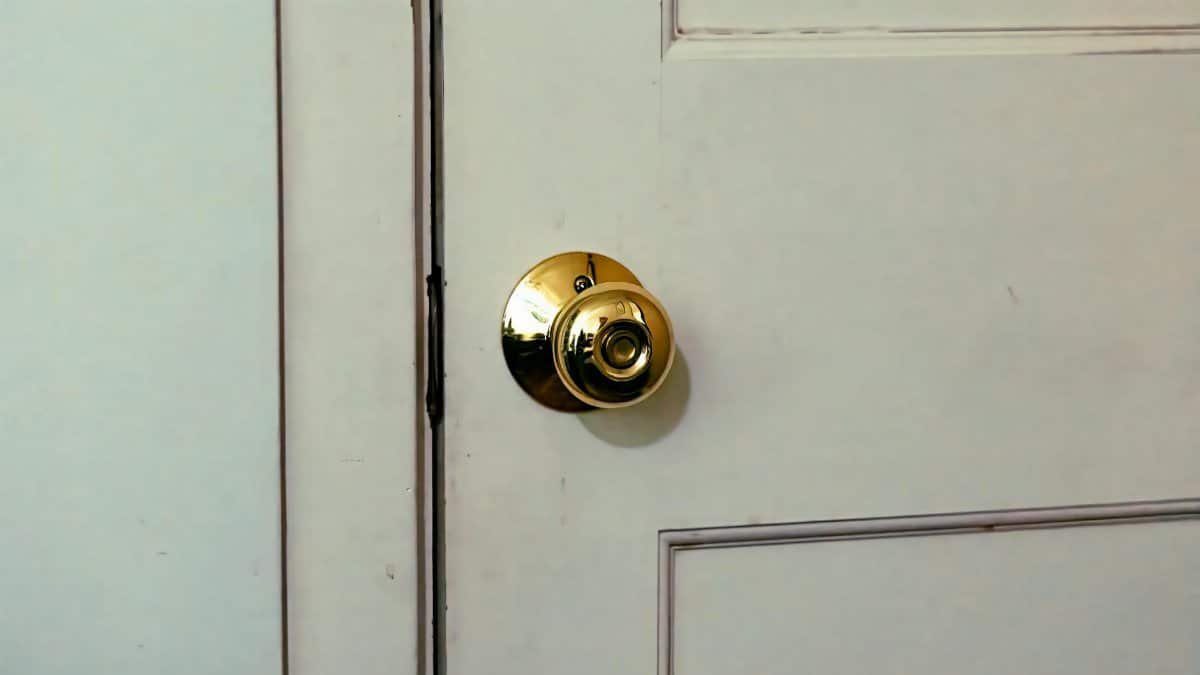
Did someone try to break into your home while you were gone? Wrapping a small piece of aluminum foil around your door knob provides a simple, silent alert if the handle was turned. This low-tech foil door knob hack, highlighted on February 11, 2026, helps homeowners spot potential intruders without cameras or alarms. It detects subtle tampering during daily absences, like work hours, offering peace of mind in an era of rising concerns over residential security.
How the Foil Door Knob Trick Operates
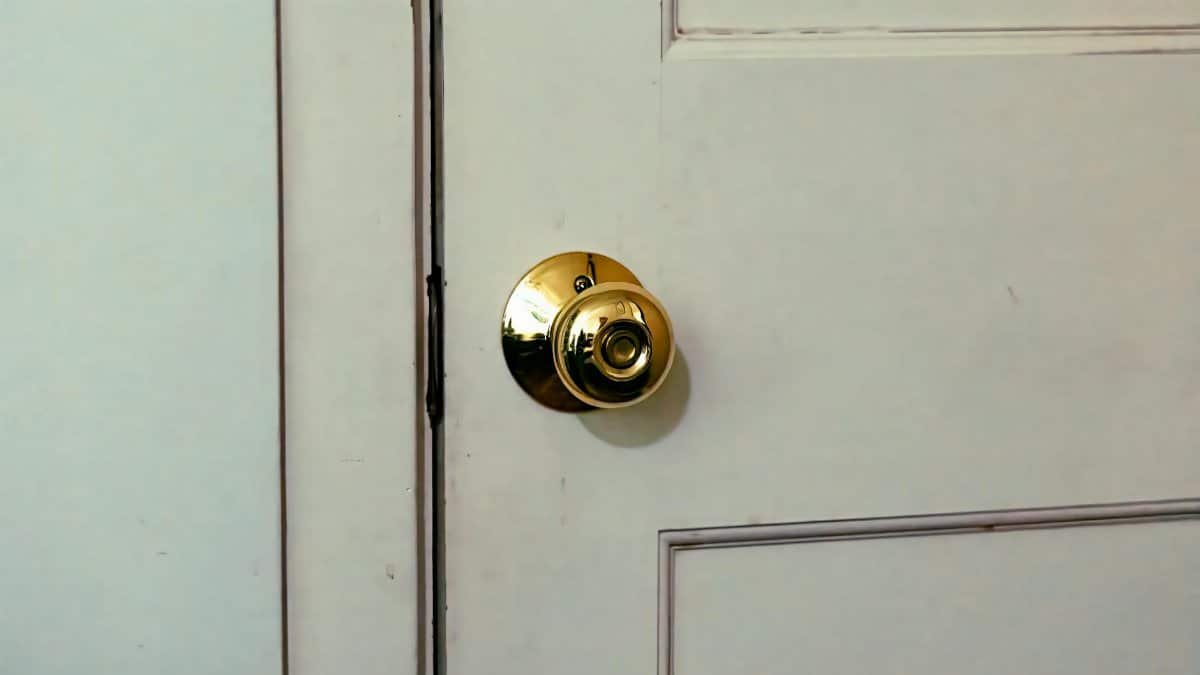
The method relies on basic physics. Place a crinkled strip of aluminum foil loosely around the door knob’s base, securing it lightly so it doesn’t shift easily. If undisturbed, the foil stays intact. A turn of the handle wrinkles or dislodges it, signaling activity. This visual cue works silently, requiring no batteries or wiring. Homeowners return to check in seconds, confirming if the knob moved.
Targeting Handle Turns Specifically

Unlike locks or deadbolts, door knobs often get tested by opportunists scoping entry points. The foil door knob setup flags these reconnaissance attempts. It reveals if someone gripped and rotated the knob, even without forcing the door. This distinguishes casual checks from full break-ins, giving users early warnings about neighborhood threats.
Ideal for Daily Work Absences

Perfect for standard 9-to-5 routines, apply the foil before leaving for work. It monitors hours-long gaps when homes sit empty. Upon return, a quick glance shows if the handle was touched. In 2026, with remote work fluctuating, this hack adapts to variable schedules, ensuring vigilance during vulnerable periods.
Why Aluminum Foil Excels Here

Aluminum foil’s thin, malleable nature makes it ideal. It crinkles visibly under minimal torque, yet blends with door hardware. Cheap and ubiquitous, a kitchen roll suffices—no special purchases needed. Its reflectivity catches the eye upon inspection, amplifying detection without drawing burglar attention beforehand.
Step-by-Step Setup Guide
Start with a 4-6 inch foil piece. Crinkle it slightly for texture. Wrap loosely around the knob’s neck, where it meets the door. Avoid tight binding; allow natural play. Tuck ends gently. Test by turning yourself—foil should disturb. Leave it, then verify later. Repeat daily as needed. Simplicity drives its appeal.
For broader context on residential burglary risks, the FBI reports consistent threats to unoccupied homes. See FBI Crime Data Explorer for U.S. trends supporting proactive measures like this.
Silent Operation Boosts Effectiveness

No beeps or lights give it away. Burglars test knobs quietly; foil responds without noise. This stealth matches their tactics, turning passivity into detection. It complements alarms by verifying false positives or pre-alarm probes, enhancing layered security without complexity.
Growing Relevance in 2026 Security Trends

Reported February 11, 2026, the tip taps into demand for affordable defenses amid economic pressures. U.S. homeowners seek non-digital options amid tech glitches and costs. Foil door knob use aligns with DIY surges, empowering renters and owners alike against urban entry tests.
Reader’s Digest highlights similar low-tech hacks in home protection. Check Reader’s Digest Home Security Tricks for verified tips echoing this method.
Limitations and Best Practices

Foil detects turns but not picks or bumps. Wind or pets might disturb it, so note conditions. Remove before guests arrive to avoid confusion. Combine with lights or neighbors for full coverage. Its strength lies in routine checks, not standalone reliance.
Empowering Everyday Home Protection

This hack democratizes security. No apps or installs required—just foil and awareness. It prompts vigilance, potentially deterring repeats if tamperers notice scrutiny. In 2026’s fast-paced world, such tricks restore control, turning ordinary items into safeguards against unseen risks.