

**Why Octavia Butler’s ‘Parable of the Sower’ Is the Perfect Book Club Choice**
In sunlit living rooms and on laptop screens late at night, ordinary Americans are gathering with worn copies of a 1993 novel that reads as if it were written last week. They speak of walled neighborhoods, corporate overlords, and a planet growing hotter by the year. They debate faith, survival, and what it means to keep hope alive when the world seems determined to break it. This is the parable of the sower book club, a growing phenomenon that has turned Octavia Butler’s dystopian classic into one of the most discussed works in American book clubs today.
Butler’s story follows Lauren Oya Olamina, a young Black woman living in a collapsing California. Gifted with hyperempathy, she watches her community disintegrate under the pressure of climate disaster, economic meltdown, and social decay. Rather than surrender, she creates Earthseed, a new spiritual philosophy built on one unshakable premise: God is Change. That simple yet radical idea has become the spark for conversations that reach far beyond literature.
A Story That Feels Eerily Familiar

Readers today often describe the novel as prophetic. Butler imagined what many now live with: water priced like gold, migrants traveling dangerous highways, and private security forces more powerful than local police. These details no longer feel like distant speculation. Book club members frequently pause to note how the fictional headlines in the novel match real ones they read that morning.
The power of the book lies in its restraint. Butler never lectures. She simply shows people trying to live with dignity as systems fail around them. This grounded approach gives club participants permission to share their own fears without descending into despair. Many say the novel helps them name anxieties they had been carrying silently.
The Spiritual Core of Earthseed

At the heart of the story sits Earthseed, a belief system that rejects passive prayer in favor of active adaptation. Its central verse states that the only permanent reality is change, and that human beings must learn to shape that change or be shaped by it. For spiritual seekers disillusioned with traditional institutions, these ideas land with surprising force.
Book clubs report that discussions of Earthseed often become the most passionate part of their meetings. Participants explore whether they themselves have a guiding philosophy strong enough to withstand crisis. Some compare Earthseed to early Christianity or Buddhism in its emphasis on compassion and community. Others see it as a distinctly American response to uncertainty, one that values action over doctrine.
The spiritual dimension gives the novel unusual depth for a work often shelved in science fiction. It invites readers to examine their own beliefs about destiny, divinity, and responsibility. In an era when many describe a crisis of meaning, Earthseed offers a framework built for hard times.
Why Book Clubs Are Drawn to Dark Futures

Across the country, reading groups that once favored gentle literary fiction are turning toward stories of collapse. Parable of the Sower satisfies a particular hunger. It allows people to confront frightening possibilities while remaining safely within the pages of a book. The shared experience creates surprising intimacy.
Club members say the novel’s honesty about human frailty makes space for their own vulnerability. When characters make terrible choices under pressure, readers feel less alone in their own moral confusion. The story becomes a safe container for discussing climate grief, political rage, and personal resilience.
This trend reflects a broader cultural shift. As public trust in institutions erodes, people seek wisdom wherever they can find it. Butler’s work, written by a Black woman who grew up in Pasadena observing social change, carries a credibility that resonates across demographic lines.
Building Community Through Shared Reading

The novel’s greatest lesson may be that survival depends on connection. Lauren’s traveling group learns that isolation equals death. Book clubs unconsciously reenact this truth. By meeting regularly to discuss the text, participants practice the very skills the story champions: listening, disagreeing constructively, and imagining new ways to live together.
Many groups have expanded beyond discussion. Some organize local environmental projects. Others host speakers on emergency preparedness or community organizing. The book becomes a catalyst for real world relationship building at a time when loneliness has reached epidemic levels.
This movement from page to practice feels particularly meaningful to middle aged readers who watched earlier generations promise progress only to deliver inequality and environmental damage. In Earthseed they find language for both grief and determination.
Lauren Olamina as a New Kind of Leader
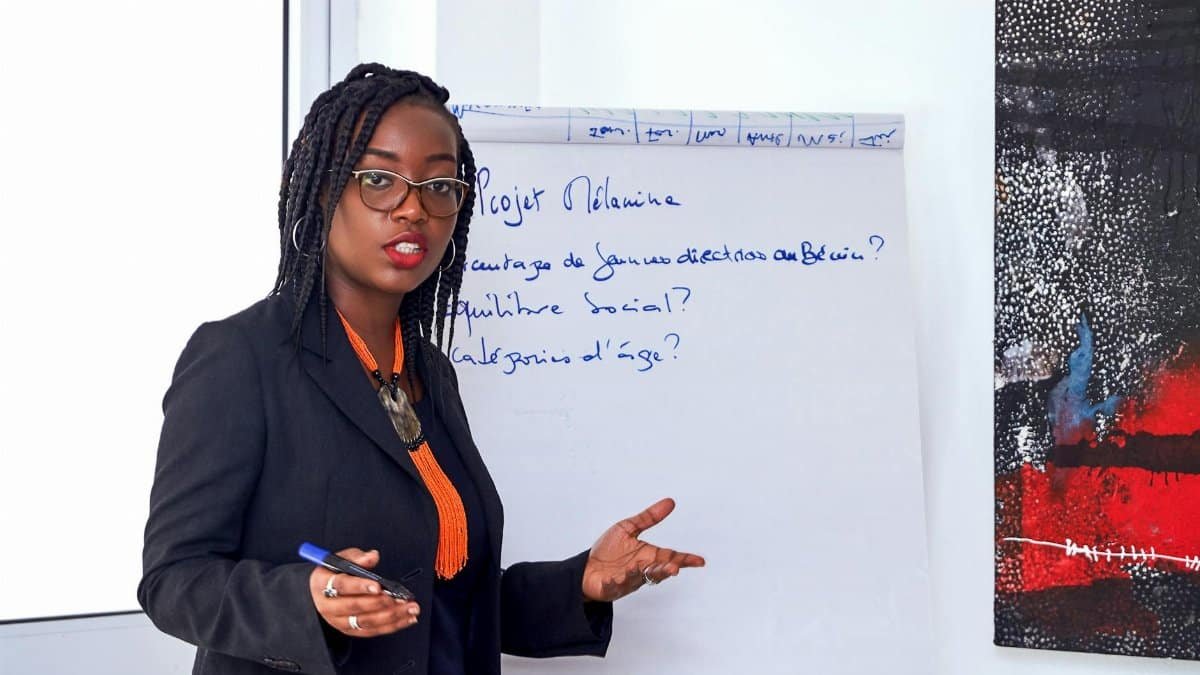
Lauren is neither superhero nor saint. She is a teenager with a disability who dares to dream beyond the failing world she inherited. Her leadership style rests on vision, adaptability, and deep empathy. Club members often debate whether such qualities could emerge in today’s leaders.
Her hyperempathy syndrome forces her to feel others’ pain as her own. This burden becomes her greatest strength, compelling her to create a belief system that values all life. Readers find this paradox compelling. In an age of self absorption, a protagonist who cannot escape the suffering of others offers a powerful counterexample.
Discussions frequently turn to whether society undervalues sensitivity. Many participants, especially women, describe seeing parts of themselves in Lauren’s quiet determination to protect her chosen family.
Facilitating Rich and Respectful Dialogue

Successful parable of the sower book club gatherings share common traits. Hosts often establish ground rules that honor the novel’s spirit of honest inquiry without permitting personal attacks. The best conversations balance analysis of Butler’s craft with open exploration of personal experience.
Questions that generate strong dialogue include how Earthseed might function in contemporary society, what readers would take if forced to flee their homes, and whether hope is a rational response to current data. These prompts naturally bridge the gap between fiction and reality without forcing artificial connections.
The novel’s explicit content and mature themes make it best suited for adult groups willing to engage complexity. When handled with care, this maturity elevates the conversation rather than derailing it.
Butler’s Enduring Literary Legacy

Octavia Butler created worlds that refused easy categorization. Her work combined rigorous social analysis with compelling characters and spare, elegant prose. She became the first science fiction writer to receive a MacArthur genius grant, yet her influence stretches far beyond genre boundaries.
New generations continue discovering her books at precisely the moments when they need them most. Parable of the Sower has found particular resonance among activists, educators, and spiritual leaders seeking narratives that acknowledge darkness while pointing toward possible renewal.
The book’s companion volume, Parable of the Talents, extends the story into even harsher territory. Many clubs read both works in sequence, tracing how Earthseed survives persecution and begins to spread. This larger narrative arc provides rich material for extended study.
Practical Guidance for Starting Your Own Group

Those interested in forming a parable of the sower book club need not aim for perfection. Beginning with a small circle of trusted friends often works best. Selecting dates far enough in advance respects the novel’s considerable length and emotional weight.
Providing context about Butler’s life adds valuable dimension. She wrote from a place of keen observation rather than abstract theory. Understanding her background as a child who watched the Watts riots and later studied at elite universities illuminates the roots of her social imagination.
Groups that thrive tend to balance serious discussion with moments of levity and mutual support. The novel’s intensity requires space for genuine human connection. Many participants form lasting friendships that extend well beyond the final chapter.
Finding Hope Without Illusion

Perhaps the novel’s greatest gift is its refusal to offer cheap comfort. Butler shows that positive change demands effort, sacrifice, and collective will. Yet she also demonstrates that small acts of decency can seed larger transformations.
Earthseed’s Destiny verse reminds readers that the stars represent both literal space travel and a metaphor for human potential. This dual meaning captures the book’s essential tension between harsh realism and stubborn optimism.
In book clubs across the nation, that same tension generates some of the most meaningful conversations many participants have experienced in years. They leave meetings sobered yet strangely energized, carrying seeds of new ideas about how to live with greater intention in uncertain times.
The parable of the sower book club phenomenon suggests that literature retains its ancient power to help humans navigate crisis. By turning to Butler’s work, readers are not escaping reality. They are arming themselves with story, community, and a flexible faith capable of meeting whatever comes next.
As one club member in Seattle recently observed, the book does not tell us everything will be alright. It tells us we have the capacity to shape what happens, if we choose to accept that responsibility. In a fragmented culture hungry for both truth and connection, few messages feel more necessary.
(Word count: 1,237)