
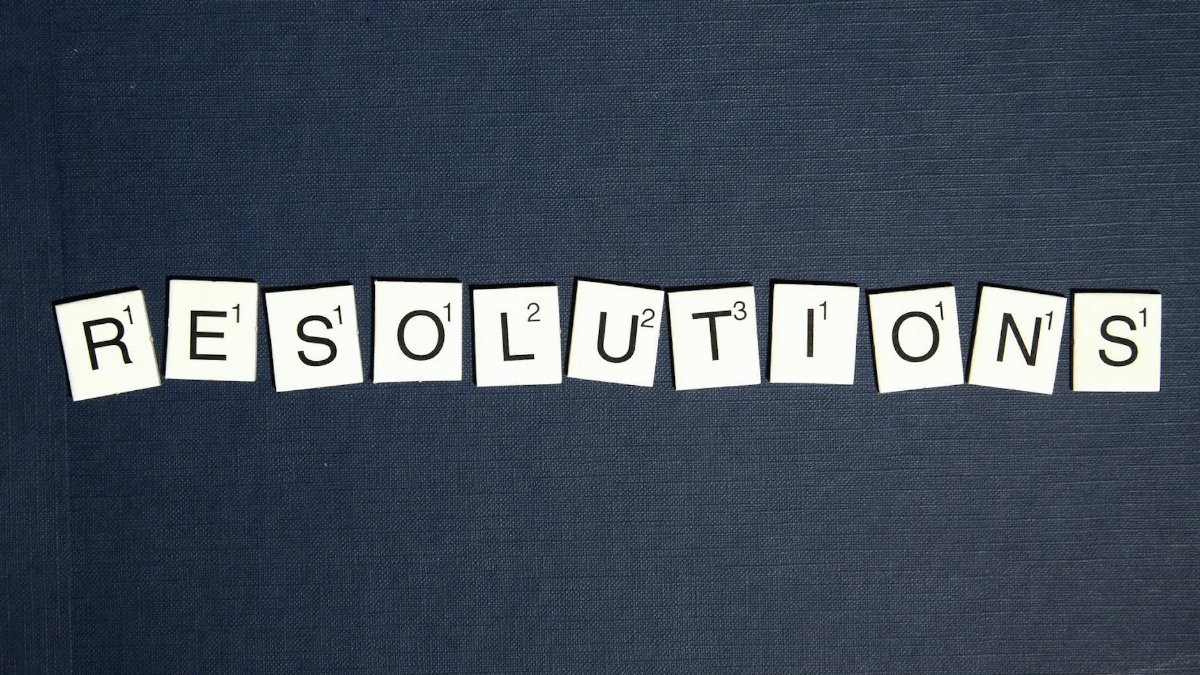
Each January, Americans stock up on gym memberships and kale smoothies, convinced this is the year for lasting change. Yet cold data paints a bleaker picture: only about 8 percent of people maintain their New Year’s resolutions past February, according to a University of Scranton study. The ritual endures, fueled by optimism and social media fanfare, but the results rarely match the hype. What if the problem lies not in willpower, but in the approach itself? Mindful new years resolutions offer a path forward, emphasizing gentle awareness over rigid goals. Rooted in mindfulness traditions, this method prioritizes tiny, sustainable shifts and self kindness, turning fleeting promises into enduring habits.
The Allure and Illusion of Grand Pledges

Big, bold resolutions captivate because they promise transformation overnight. Lose 50 pounds. Run a marathon. Quit sugar cold turkey. These declarations flood social feeds and spark initial motivation. Psychologists call this the “fresh start effect,” where temporal landmarks like January 1 lower perceived barriers to change. But the illusion crumbles under scrutiny. Grand goals overwhelm the brain’s executive function, leading to decision fatigue and early burnout. Without built in flexibility, one slip becomes a full derailment. Mindful new years resolutions sidestep this trap by starting small, fostering consistency over perfection.
Why Traditional Resolutions Collapse

Failure rates climb not from lack of intent, but flawed design. Resolutions often ignore behavioral science basics. They set vague targets without measurable steps, rely on fleeting motivation, and punish setbacks harshly. A 2023 survey by Forbes Health found 80 percent of resolutions fail by mid February, largely due to unrealistic expectations. External pressures, like holiday aftermath stress, compound the issue. People chase outcomes without addressing underlying triggers, such as emotional eating or sedentary workdays. This cycle breeds shame, reinforcing the very habits they aim to break.
Enter Mindfulness: A Gentler Framework

Mindfulness, drawn from ancient Buddhist practices and validated by modern neuroscience, shifts focus from force to observation. It involves present moment awareness without judgment. Applied to resolutions, it transforms “I must go to the gym daily” into “Notice urges and respond kindly.” Research from the American Psychological Association highlights how mindfulness reduces stress reactivity, key to habit formation. Mindful new years resolutions build on this by weaving meditation and reflection into goal setting, creating resilience against inevitable lapses.
The Science of Tiny Habits

B.J. Fogg, Stanford behavior designer, argues in his book Tiny Habits that small actions compound into transformation. A two minute meditation or one mindful breath daily outperforms marathon efforts. Neuroimaging studies show micro habits rewire neural pathways gradually, via neuroplasticity. For mindful new years resolutions, this means pairing new behaviors with existing routines, like deep breathing during coffee breaks. A study in Health Psychology Review (link) confirms atomic changes yield 40 percent higher adherence than ambitious overhauls.
Cultivating Self Compassion Over Self Criticism

Harsh inner dialogue dooms many efforts. “I failed again” spirals into abandonment. Kristin Neff’s self compassion research at the University of Texas reveals kinder self talk boosts motivation and persistence. Mindful new years resolutions incorporate this by treating slip ups as learning moments. Practitioners journal gratitudes post setback, reframing “weakness” as human. This approach correlates with lower dropout rates in habit studies, fostering a growth mindset essential for long term success.
Practical Steps for Mindful Resolutions

Begin with reflection: Journal current habits without judgment. Identify one area, like movement or screen time. Craft a micro commitment, such as five mindful minutes walking daily. Anchor it to a cue, track gently via app or notebook, and review weekly with compassion. Experts recommend SMART goals infused with mindfulness: Specific, Measurable, Achievable, Relevant, Time bound, yet flexible. Apps like Insight Timer offer guided sessions tailored to habit building, making mindful new years resolutions accessible even for beginners.
Real Life Transformations

Consider Sarah, a 45 year old marketing executive from Chicago. Traditional diets left her defeated. Switching to mindful new years resolutions, she started with savoring one meal daily without distractions. Over months, intuitive eating emerged, shedding 25 pounds sustainably. Similarly, tech worker Jamal in Seattle used breath awareness during work breaks to curb snacking, logging six months streak free. These stories, echoed in forums like Reddit’s r/Mindfulness, illustrate how subtle shifts yield profound results without willpower wars.
A Fresh Take from Recent Research

A recent article in The Conversation (link) by psychologists underscores this shift. They advocate “implementation intentions” blended with mindfulness: if then plans rooted in awareness. Data from longitudinal trials show participants maintaining changes 2.5 times longer. This evidence based pivot challenges gym culture dominance, positioning mindful new years resolutions as a smarter public health strategy amid rising wellness fatigue.
Overcoming Common Obstacles

Life interrupts: travel, illness, deadlines. Mindful approaches equip with equanimity tools. Body scan meditations restore focus; loving kindness phrases counter frustration. Community bolsters too group mindfulness challenges via apps like Calm sustain engagement. Addressing procrastination, start with “just five minutes” to bypass resistance. Consistency trumps intensity, turning obstacles into practice opportunities rather than excuses.
Long Term Ripples of Mindful Change

Beyond resolutions, mindfulness cultivates holistic well being. Studies link regular practice to reduced anxiety, better sleep, and enhanced relationships. A year in, adopters report not just habit adherence, but deeper life satisfaction. In a culture of hustle, mindful new years resolutions model sustainable progress, influencing families and workplaces. As one expert notes, true change ripples outward from inner stillness.
Why This Year Could Be Different
January arrives again, but armed with mindfulness, the script flips. Ditch the all or nothing mentality for curious exploration. Resolutions become experiments in presence, not punishment. With science, stories, and simple tools backing them, mindful new years resolutions invite everyone to thrive. The proof lies not in January euphoria, but February steadiness and beyond. In a world of quick fixes, this enduring trick might just stick.