
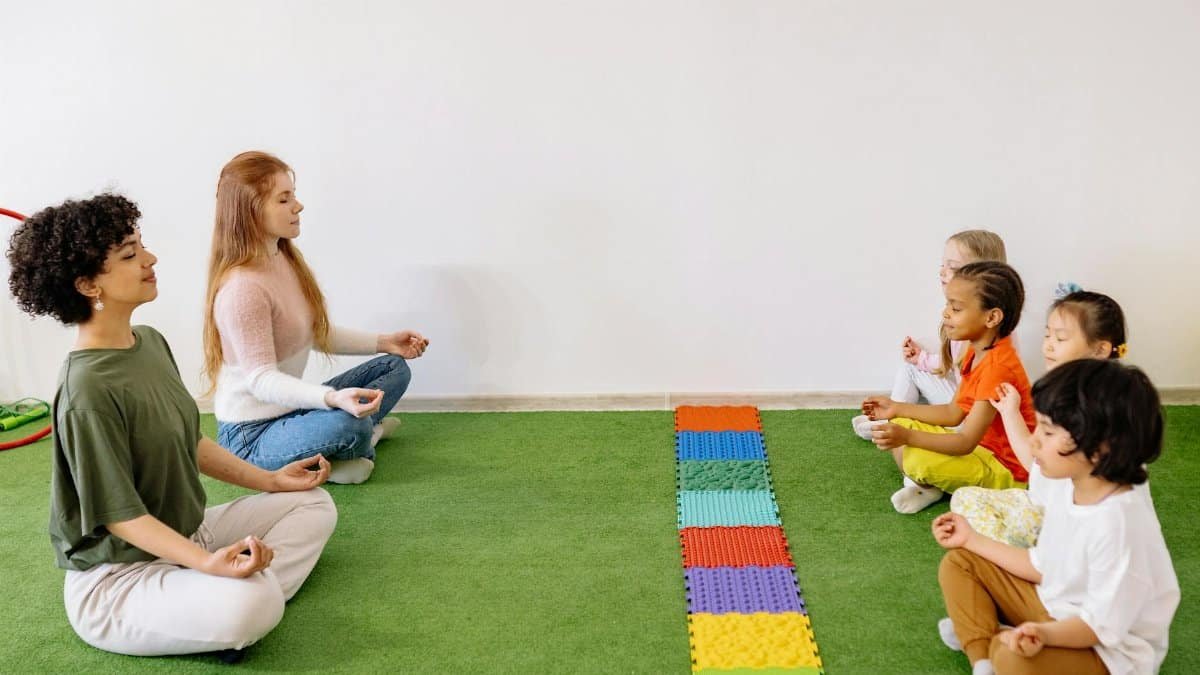
In a surprising twist, a 2023 study revealed that 60% of U.S. schools have adopted some form of meditation programs, up from just 20% a decade ago, as educators battle rising student stress levels. This surge ties directly into the growing embrace of calm healing wellness practices, which blend mindfulness techniques to foster emotional balance and focus. From elementary classrooms to high schools, meditation is no longer a fringe idea—it’s becoming a core tool for building resilient young minds. As we head into 2025, experts say this trend is set to reshape education, offering kids practical ways to handle anxiety and improve learning outcomes.
The Science Behind Meditation in Classrooms

Research backs the push for meditation in schools. Studies show it reduces cortisol levels, the hormone linked to stress, helping students stay calm under pressure. A key report from the American Psychological Association highlights how daily mindfulness sessions can improve attention spans by up to 15%. This isn’t just theory; it’s proven in real-world settings where kids report feeling more centered after short breathing exercises. Incorporating calm healing wellness elements, like guided imagery, amplifies these benefits, turning chaotic school days into opportunities for mental recharge.
Real Stories from the Front Lines

Teachers across the U.S. are seeing transformations firsthand. In Chicago’s public schools, one educator noted students who once struggled with outbursts now use meditation breaks to regain composure. “It’s like flipping a switch,” she said. Similar anecdotes pour in from California, where programs have cut disciplinary incidents by 25%. These snapshots illustrate how calm healing wellness isn’t abstract—it’s a hands-on strategy that equips kids with lifelong coping skills amid academic demands.
Challenges in Implementation
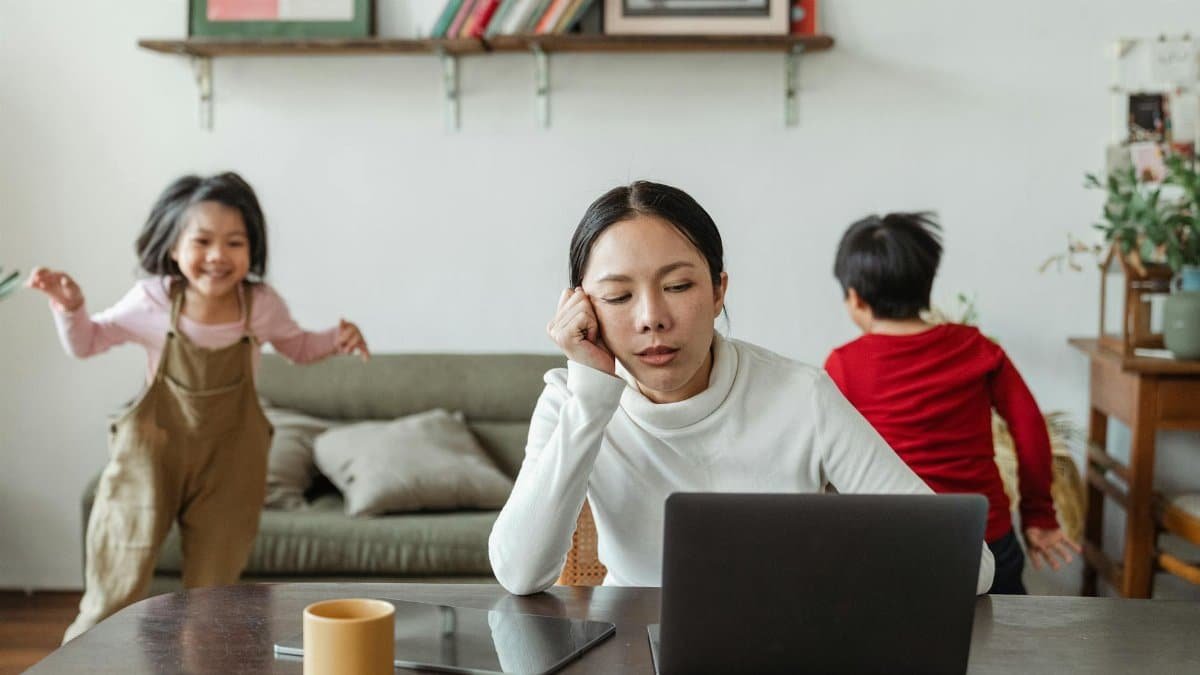
Not every school jumps on board easily. Budget constraints and skeptical parents pose hurdles, with some viewing meditation as too “woo-woo” for traditional education. Training teachers takes time, and not all districts have the resources. Yet, advocates argue these obstacles are surmountable, pointing to low-cost apps and online resources that make rollout feasible. Addressing these issues head-on ensures more students access the calm healing wellness they need to thrive.
Impact on Academic Performance
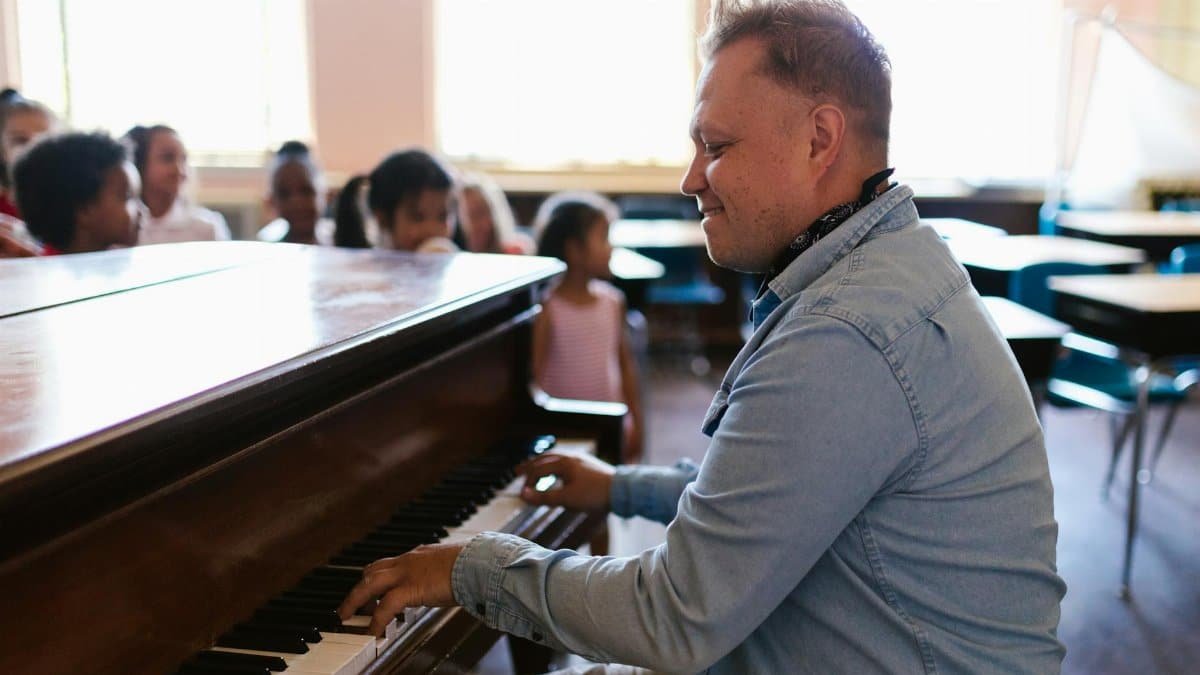
Meditation doesn’t just soothe; it boosts grades too. Data from a Johns Hopkins University study links regular practice to higher test scores, particularly in math and reading. Students who meditate show better problem-solving abilities and fewer distractions. In 2025, as standardized testing pressures mount, schools integrating these methods could see a competitive edge. This ties into broader calm healing wellness trends, where mental clarity directly enhances cognitive function.
Equity and Access in Mindfulness Programs
Urban and rural schools alike face disparities in adopting meditation. Low-income districts often lack the infrastructure, widening the gap for at-risk kids who might benefit most. Initiatives like those from the David Lynch Foundation aim to bridge this, offering free training to underserved areas. Ensuring equitable access to calm healing wellness practices means every student, regardless of zip code, gets a shot at emotional stability and focus.
Parental Involvement and Support

Parents play a crucial role in meditation’s success. Workshops that teach families basic techniques extend the benefits homeward, creating a supportive ecosystem. One New York parent shared, “My daughter’s anxiety dropped after we started evening sessions together.” Schools encouraging this involvement report stronger community buy-in, making calm healing wellness a family affair that reinforces school efforts.
Future Directions for School Meditation
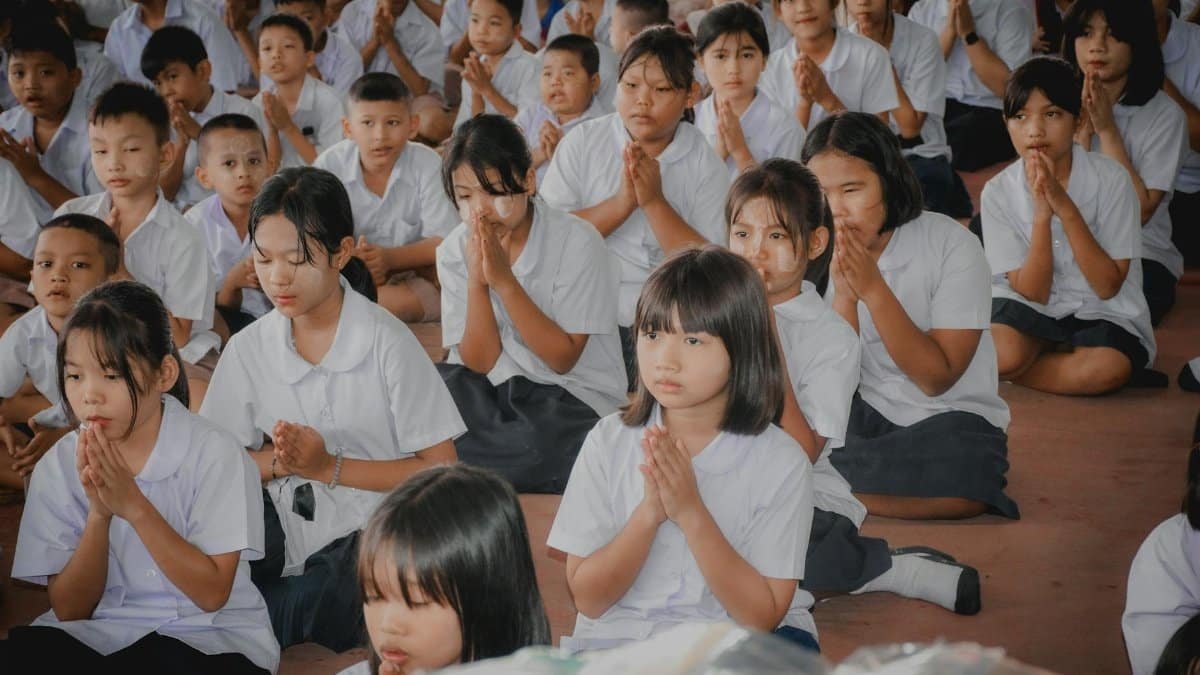
Looking ahead to 2025, experts predict tech integration, with VR apps simulating serene environments for group sessions. Policy shifts could mandate mindfulness in curricula, following models in states like Massachusetts. As research evolves, schools might customize programs for specific needs, like trauma recovery. This forward momentum underscores meditation’s role in fostering a generation versed in calm healing wellness, ready for life’s stresses.
Expert Opinions on the Trend

Psychologists and educators weigh in favorably. Dr. Daniel Goleman, author of Emotional Intelligence, calls school meditation “essential for modern education.” A American Psychological Association article echoes this, detailing how it builds resilience. Meanwhile, the CDC’s youth mental health resources support integrating such practices to combat rising depression rates among teens.
Practical Tips for Schools Starting Out

Getting started is simpler than it seems. Begin with five-minute sessions using free guided audio from apps like Headspace. Train a few staff members via online certifications, then scale up. Measure success through student feedback surveys. These steps make calm healing wellness accessible, turning skepticism into enthusiasm as results roll in.