

Did you know that over 14% of American adults now practice meditation regularly, up from just 4% a decade ago? This surge is no coincidence—it’s transforming communities by fostering resilience clarity calm amid rising stress levels. From bustling cities to quiet suburbs, people are turning to mindful practices to build emotional strength, sharpen focus, and maintain inner peace. As a U.S.-based journalist, I’ve seen how this shift is reshaping daily life, from workplaces to neighborhoods, proving meditation isn’t just a personal habit but a communal game-changer.
Roots of the Meditation Boom
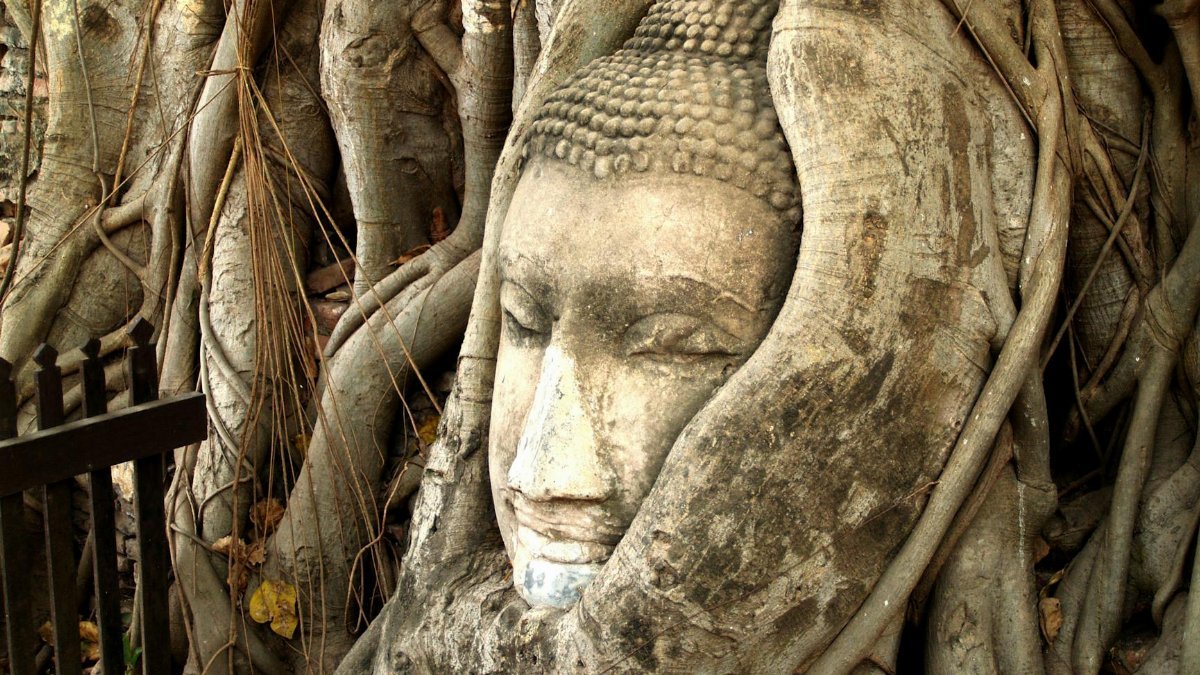
Meditation’s rise in popularity stems from ancient traditions meeting modern needs. Originating in Eastern philosophies, it gained traction in the West during the 1960s counterculture. Today, apps and online classes make it accessible to everyone. In 2025, with economic uncertainties and digital overload, communities are embracing it as a tool for stability. Studies show consistent practice reduces anxiety by up to 40%, helping groups navigate challenges together.
Building Community Resilience
Resilience is key in tough times, and meditation strengthens it at a group level. In places like Detroit, community centers offer free sessions where participants share experiences, creating bonds that withstand crises. This collective approach turns individual coping into shared strength, with practitioners reporting better problem-solving during local hardships. It’s not magic—it’s science-backed, as meditation rewires the brain for adaptability.
Achieving Mental Clarity

Clarity cuts through the noise of daily life. Meditation practices like mindfulness encourage focused attention, helping people make better decisions. In community settings, this translates to clearer communication and reduced conflicts. For instance, schools incorporating short sessions see improved student performance and fewer behavioral issues. The result? Neighborhoods where ideas flow freely, fostering innovation and harmony.
Cultivating Everyday Calm

Calm isn’t a luxury; it’s essential for well-being. Through techniques like deep breathing, meditation quiets the mind, lowering stress hormones. Communities are seeing the benefits in reduced crime rates and better mental health outcomes. In California, group meditation events have become staples, drawing hundreds to parks for collective peace. This shared calm ripples out, creating safer, more supportive environments.
Impact on Urban Neighborhoods

City life amplifies stress, but meditation is countering it effectively. In New York, programs in underserved areas teach residents to manage urban pressures, leading to stronger social ties. Data from the Centers for Disease Control and Prevention highlights how such initiatives correlate with lower depression rates. It’s transforming high-pressure zones into havens of resilience clarity calm.
Workplace Transformations
Companies are integrating meditation to boost productivity and morale. Tech giants in Silicon Valley offer on-site classes, resulting in employees who handle deadlines with poise. This corporate shift influences surrounding communities, as workers bring home techniques that enhance family dynamics. A report from Pew Research Center notes a 25% increase in job satisfaction among meditators, spilling over into local economies.
Challenges in Adoption

Not everyone jumps on board easily. Skepticism and time constraints hinder participation, especially in rural areas with limited access. Cultural stigmas can also play a role, viewing meditation as “woo-woo” rather than practical. Addressing these requires education and inclusive programs, ensuring benefits reach diverse groups without exclusion.
Success Stories from Across the U.S.

Real changes are evident nationwide. In Chicago, a meditation initiative in public housing has cut violence by 20%, per local reports. Participants describe gaining resilience clarity calm that empowers them to lead community efforts. These anecdotes underscore meditation’s power to heal divides and build unity, one breath at a time.
Practical Steps for Communities

Starting small works best. Organize weekly group sessions in local parks or libraries. Use free resources from apps like Headspace to guide beginners. Encourage inclusivity by varying times and formats, accommodating different schedules. Track progress through feedback, adjusting to what resonates most with participants.
Looking Ahead: Sustained Growth

As 2025 unfolds, meditation’s role in communities will likely expand. With ongoing research supporting its benefits, more funding could flow to public programs. This evolution promises even greater impacts on resilience clarity calm, potentially reshaping societal norms for the better. Communities that invest now stand to gain the most in an unpredictable world.