
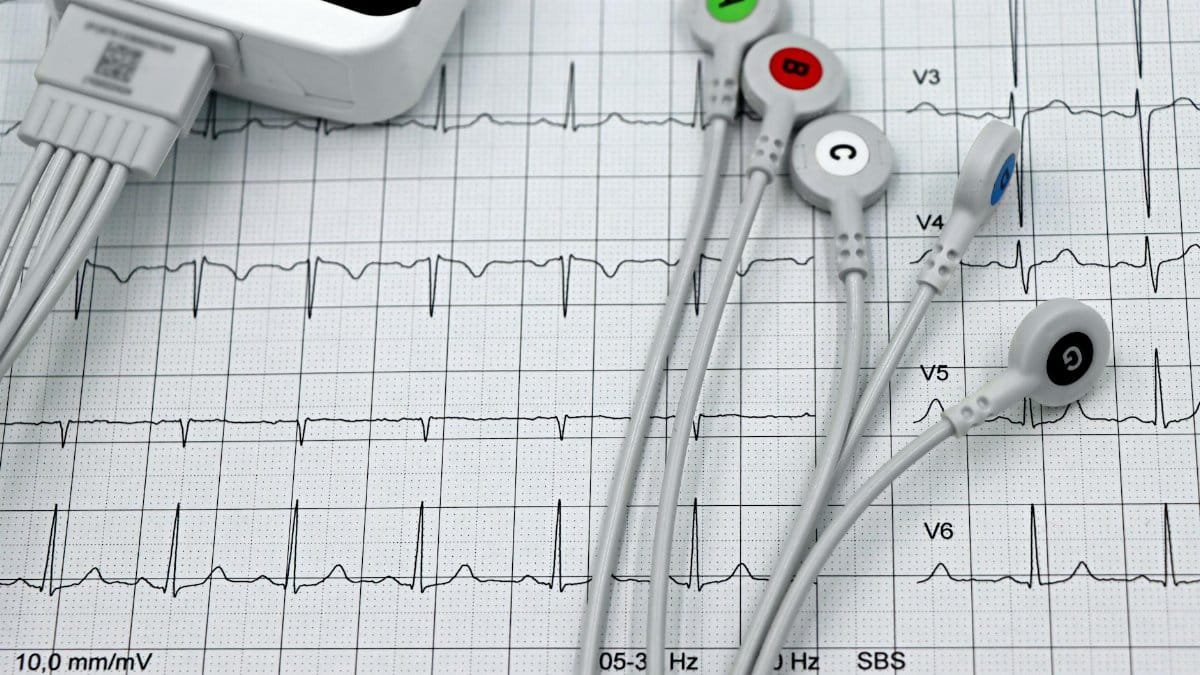
Floss or die? That’s the stark warning from groundbreaking 2026 research linking gum disease heart risks directly to oral inflammation. Released January 15, new findings confirm that neglecting dental care creates a straight pipeline from inflamed gums to serious heart disease. Bacteria and inflammatory signals travel through the bloodstream, turning everyday plaque buildup into a cardiac threat. Experts now call dental hygiene the year’s most critical habit, urging Americans to prioritize flossing amid rising gum disease heart concerns.
New 2026 Research Shakes Up Heart Health

Scientists dropped a bombshell on January 15, 2026. Their study solidifies what many suspected: oral inflammation fuels heart disease. No more theories—this is confirmation. The research details how gum infections release toxins that inflame arteries, paving the way for plaque buildup and clots. In the U.S., where heart disease tops death causes, this revelation hits hard. Dental pros predict a surge in checkups as patients connect the dots between bleeding gums and bypass surgery.
Oral Inflammation: The Hidden Killer
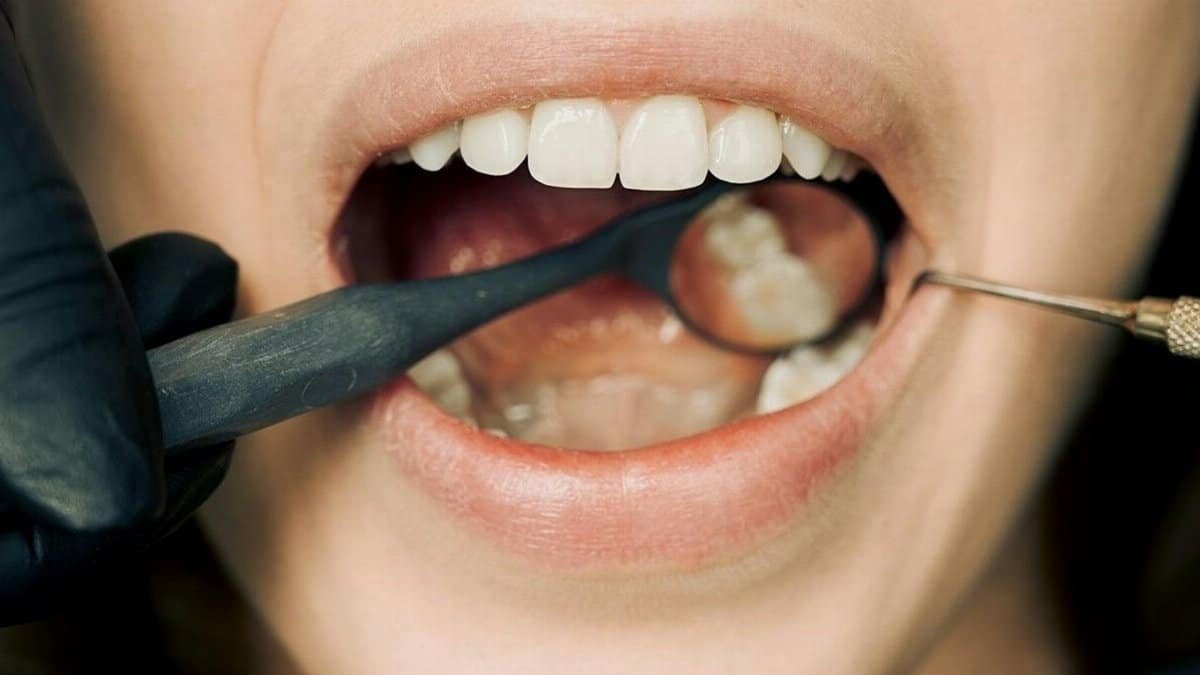
Picture inflamed gums as a brewing storm. Bacteria from plaque trigger swelling and bleeding. That “oral inflammation” isn’t local. It sends cytokines—pro-inflammatory chemicals—racing through your veins. The 2026 study maps this process precisely. Untreated, it stiffens blood vessels and promotes atherosclerosis. Simple gingivitis escalates fast without intervention. Researchers stress: ignore your mouth, and your heart pays the price. This direct pipeline demands attention now.
The Direct Pipeline Exposed

How does gum trouble reach the heart? The research lays it out. Pathogens like Porphyromonas gingivalis hitch a ride in blood cells. They lodge in arterial walls, sparking chronic inflammation. This mimics the chaos of a heart attack setup. The 2026 data shows elevated markers in gum patients match those in cardiac cases. No coincidence—it’s causation confirmed. For details on similar mechanisms, see the NIH Research Matters report on bacterial links.
Flossing: Simple Fix, Massive Impact

“Floss or die” isn’t hyperbole. Daily flossing disrupts plaque before inflammation erupts. The study hails it as frontline defense against gum disease heart escalation. Brush alone misses 40% of tooth surfaces—floss hits the rest. Combined with brushing and rinses, it slashes bacterial load. U.S. dentists report low flossing rates, but 2026 trends show change. Patients armed with this research floss more, potentially averting millions in heart costs.
Dental Care Ranks as Top Habit

Move over diets and gyms—dental care claims the throne in 2026. The research crowns it the most critical daily ritual. Routine cleanings remove tartar buildup that brushing can’t touch. Nightly routines curb overnight bacterial growth. In America, where 47% face gum issues, this habit shift could transform public health. Heart specialists now refer patients to periodontists. Prioritize it: your ticker depends on those two minutes nightly.
Why Gum Disease Hits the Heart Hard

Gum disease heart connections thrive on neglect. Poor hygiene breeds pockets where bacteria fester. Inflammation spills over, weakening heart muscle and valves. The 2026 findings quantify it: higher gum severity correlates with worse cardiac outcomes. Diabetics and smokers face amplified risks. Early detection via X-rays spots trouble. Act fast—reversing gum damage halts the pipeline. The American Heart Association echoes this in their overview of oral health and heart health.
2026 Shifts in Prevention Strategies

This year’s research sparks action. Health agencies push integrated care—cardiologists and dentists teaming up. Home kits for inflammation testing emerge. Public campaigns blast “floss for your heart.” U.S. trends show apps tracking dental habits tying into wearables for heart metrics. Insurers incentivize cleanings with rebates. The message: treat gums like you treat cholesterol. Results? Fewer emergencies, stronger hearts nationwide.
Take Charge: Habits That Save Lives

Start today. Floss twice daily. Use antimicrobial rinses. Schedule biannual cleanings. Monitor for signs like receding gums or bad breath—early flags of inflammation. The 2026 study proves consistency works. Communities report better compliance post-release. For heart patients, it’s non-negotiable. Dental care isn’t vanity—it’s survival. Make it your priority, and watch gum disease heart threats fade.