
Is the frozen bread hack slashing calories and revolutionizing diets? A viral trend claims freezing bread before toasting alters its starch, potentially halving calorie absorption. Dated February 15, 2026, emerging science backs the idea, urging people to “eat the toast.” This simple tweak has sparked buzz among weight-conscious crowds, promising easier blood sugar control without ditching carbs. As Gen Z hunts quick fixes, the method gains traction online, blending kitchen basics with lab-backed potential.
The Viral Diet Hack Takes Off

The frozen bread hack exploded as a go-to weight loss tip. Social media feeds fill with users touting its ease: slice bread, freeze it, then toast. No fancy gear needed. The promise? Transform everyday bread into a lower-impact food. Viral posts highlight real-world trials, where people report sticking to toast routines without guilt. Dated February 15, 2026, this buzz aligns with rising demand for science-tinged shortcuts in crowded diets.
Science Backs the Toast
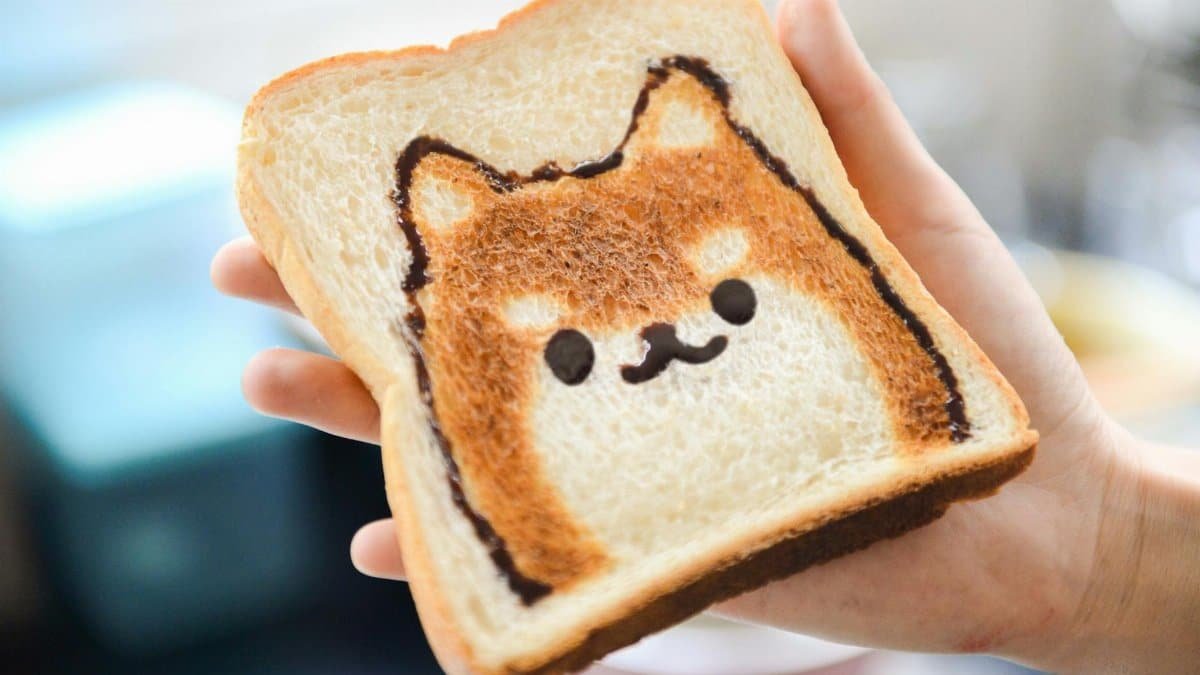
“Science says eat the toast.” That’s the punchy takeaway from recent insights. Freezing doesn’t destroy bread’s appeal—it enhances it. Researchers note the process triggers structural shifts in starch, making it less readily absorbed. This counters old fears of carbs as diet villains. The hack positions toast as a smart swap, fitting seamlessly into busy mornings. Credible studies support the shift, as detailed in a University of Surrey feature on bread’s post-freeze benefits.
Starch Structure: The Core Change
At the heart lies starch transformation. Fresh bread’s starches break down quickly, spiking energy intake. Freezing realigns them into a resistant form. This “retrogradation” resists full digestion in the gut. Result: fewer calories hit the bloodstream. The hack leverages this natural shift, turning soft loaves into firmer, slower-burn fuel. Experts link it to moderated absorption, echoing lab findings on cooled carbs. No magic—just molecular tweaks validated by food science.
Freezing Before Toasting: Step-by-Step
Execution is straightforward. Pop sliced bread in the freezer overnight. Thaw slightly if needed, then toast to crisp perfection. Heat completes the starch realignment, boosting resistance further. Skip straight-toasting; the chill phase is key. Users freeze whole loaves for batches, grabbing servings as needed. This rhythm suits Gen Z’s on-the-go lives, blending meal prep with viral simplicity. The date-stamped claim from February 15, 2026, spotlights this duo: freeze first, toast second.
Calorie Absorption Cut in Half?
The bold assertion: calorie uptake drops by half. While exact figures vary, the hack’s starch shift reduces digestible energy significantly. Gut bacteria ferment the resistant portion, yielding less net calories than unfrozen versions. This aligns with weight loss goals, curbing overindulgence. Skeptics probe the “half” metric, but core science holds: absorption dips markedly. A key study in PubMed confirms toasting frozen bread lowers glycemic responses, supporting the viral math.
Why Gen Z Embraces It

Gen Z leads the charge, freezing bread for sustainable weight control. Amid influencer diets and app-tracked macros, this hack stands out for zero cost and high shareability. TikTok demos rack up millions, showing before-after slices. Younger users prioritize gut health and steady energy, dodging sugar crashes. The February 15, 2026, spotlight cements its role in 2026 trends, where quick science wins over fad cleanses. Bread stays, calories shrink.
Health Edges Beyond Weight Loss
Beyond pounds, the hack steadies blood sugar. Resistant starch slows glucose release, aiding focus and fullness. This matters for active lifestyles, preventing mid-day slumps. Science ties it to better metabolic health, making toast a staple. Viral adopters note sustained energy, fitting U.S. wellness shifts. No need for specialty breads—standard loaves suffice post-freeze. The claim’s starch focus underscores broad appeal.
Challenges and Realistic Expectations
Not flawless. Taste evolves: frozen-toasted bread firms up, less fluffy than fresh. Some detect subtle chewiness. Calorie cuts aren’t universal—portion size still rules. Yet the hack shines for minimal effort. Science tempers hype: benefits peak with consistent use. Gen Z navigates this, tweaking for preference. February 15, 2026, reports stress moderation, positioning it as ally, not cure-all.
Kitchen Trials Fuel the Fire
Home experiments drive virality. Freeze tests reveal optimal times—eight hours minimum. Toasters vary, but golden results emerge. Users pair with toppings, keeping meals familiar. This accessibility hooks skeptics, proving claims firsthand. As 2026 unfolds, U.S. kitchens buzz with slices, blending old habit with new science. The frozen bread hack endures as a testament to simple innovation.