
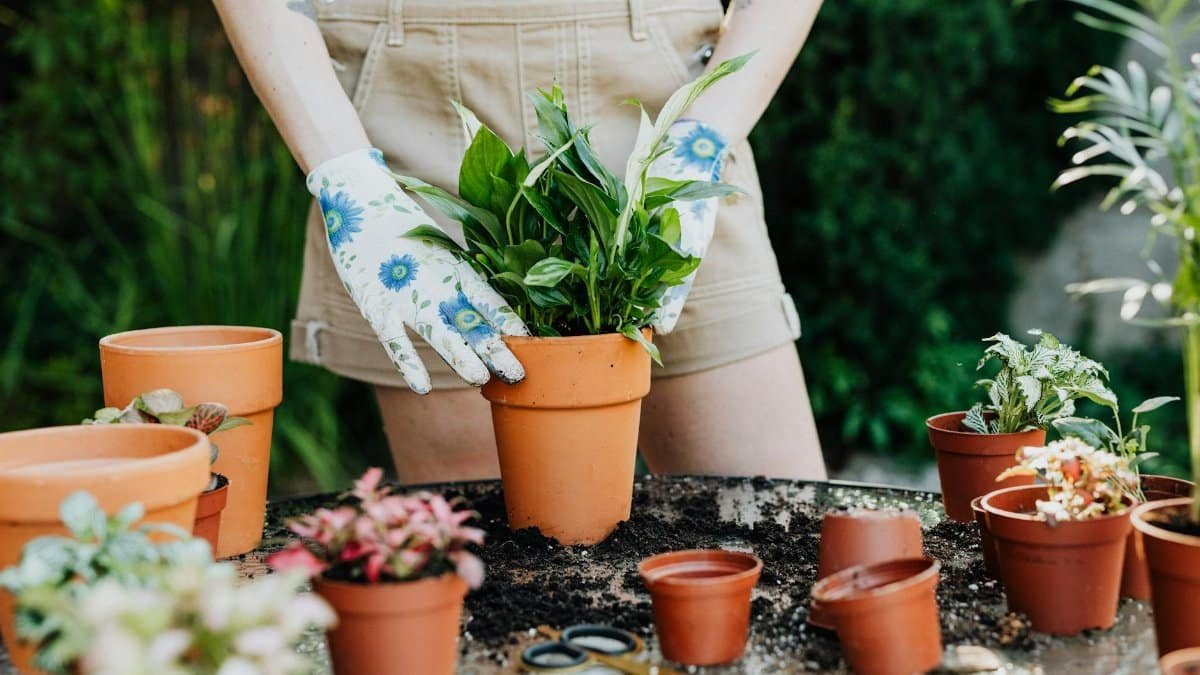
As spring unfolds across the country countless Americans are heading outdoors with shovels and packets of seeds in hand. What they may not realize is that this annual tradition could be one of the most effective ways to safeguard their mental sharpness in the years ahead. The concept of gardening brain health has gained considerable attention from researchers in recent years. Studies suggest that the unique blend of physical exertion mental stimulation and connection to nature found in gardening offers substantial protection against memory loss and cognitive decline.
This is particularly relevant for middle aged readers who are beginning to think more seriously about preserving their independence and clarity of thought. Rather than depending solely on digital brain games or dietary supplements many are discovering that time spent cultivating a garden delivers benefits that reach deep into neurological function. The activity engages the mind body and senses in ways that feel both ancient and freshly relevant to contemporary life.
The Multifaceted Demands Gardening Places on Mental Resources

Gardening requires continuous planning and adaptation. Deciding what to plant where to position each variety and how to rotate crops from one season to the next activates the prefrontal cortex the region responsible for executive function. These decisions are not theoretical. Gardeners must observe weather patterns monitor soil conditions and respond to unexpected challenges such as sudden infestations or drought.
This constant problem solving builds neural connections that might otherwise weaken with age. Unlike activities that offer instant feedback gardening teaches patience and long term thinking. A seed planted in April may not reveal its full promise until midsummer. That sustained attention appears to strengthen memory pathways and improve the brain capacity to organize information. Researchers have observed that adults who maintain consistent garden plots demonstrate better performance on tasks requiring mental flexibility than their less active peers.
Soil Microbes and Their Influence on Mood and Memory

One of the more intriguing discoveries in recent science involves the relationship between soil bacteria and human brain chemistry. Certain microbes commonly found in garden dirt when they come into contact with skin appear to influence the production of serotonin and other mood regulating compounds. This biological exchange may help explain why so many gardeners report feelings of calm after spending time with their hands in the earth.
Studies suggest these microorganisms can modulate inflammation in the body a factor increasingly linked to cognitive difficulties. By simply working with living soil without gloves gardeners may be introducing beneficial bacteria that support both emotional balance and clearer thinking. This dimension of gardening brain health adds a fascinating layer to what many had assumed was purely a physical or aesthetic pursuit.
Finding Mindfulness While Tending to Growing Plants
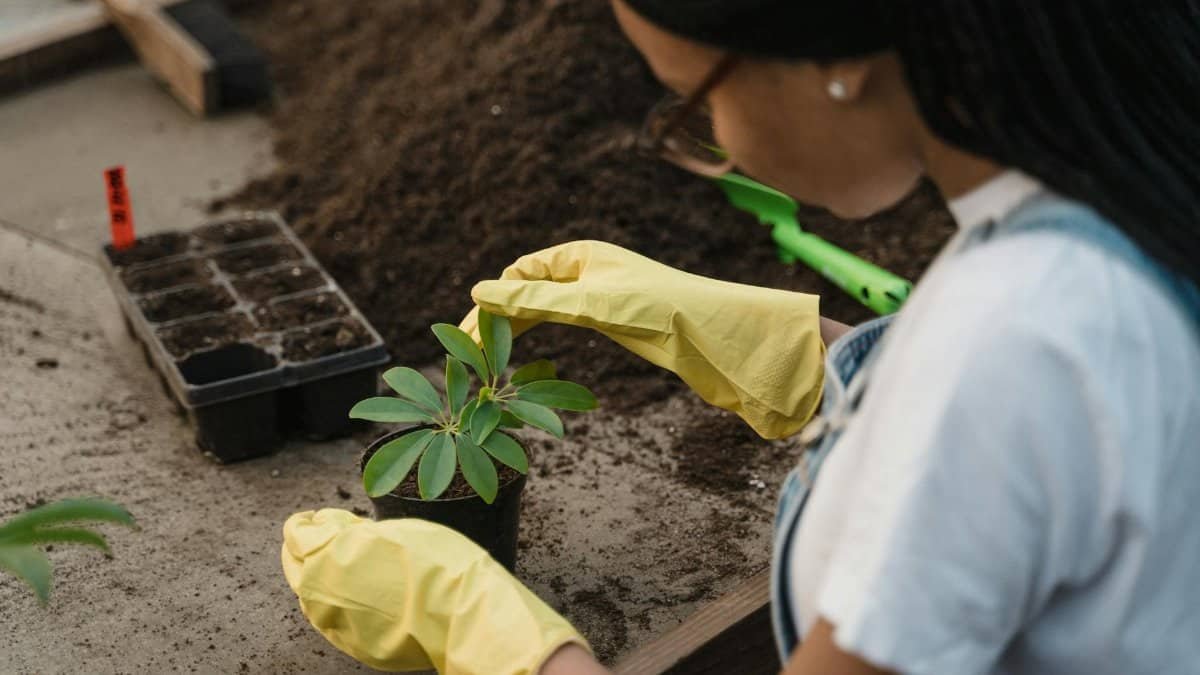
The repetitive yet varied motions of weeding watering and pruning create a natural form of moving meditation. Gardeners often describe entering a state where worries recede and attention rests fully on the present moment. This quality of mindful awareness mirrors practices found in many spiritual traditions yet it emerges organically from the work itself rather than through deliberate effort.
For middle aged adults juggling career demands family responsibilities and personal concerns this mental respite proves especially valuable. The garden demands presence. A neglected plant wilts quickly teaching the practitioner to return attention to what matters now. Over months and years this cultivated attention appears to strengthen the brain networks involved in concentration and emotional regulation.
The Spiritual Satisfaction Derived From Garden Stewardship

Beyond its neurological effects gardening addresses a deeper human need for purpose and connection. Nurturing life from seed to harvest gives practitioners a tangible sense of participating in something larger than themselves. Many describe the garden as a place of quiet communion with the cycles of growth decay and renewal that mirror their own life stages.
This spiritual dimension may be as important as the measurable cognitive gains. A sense of meaning and contribution has been linked in multiple studies to lower rates of cognitive impairment. When middle aged people tend their gardens they are not merely growing food or flowers. They are practicing stewardship and in the process reinforcing their own sense of vitality and relevance in the world.
How Spring Planting Supports Executive Function Skills
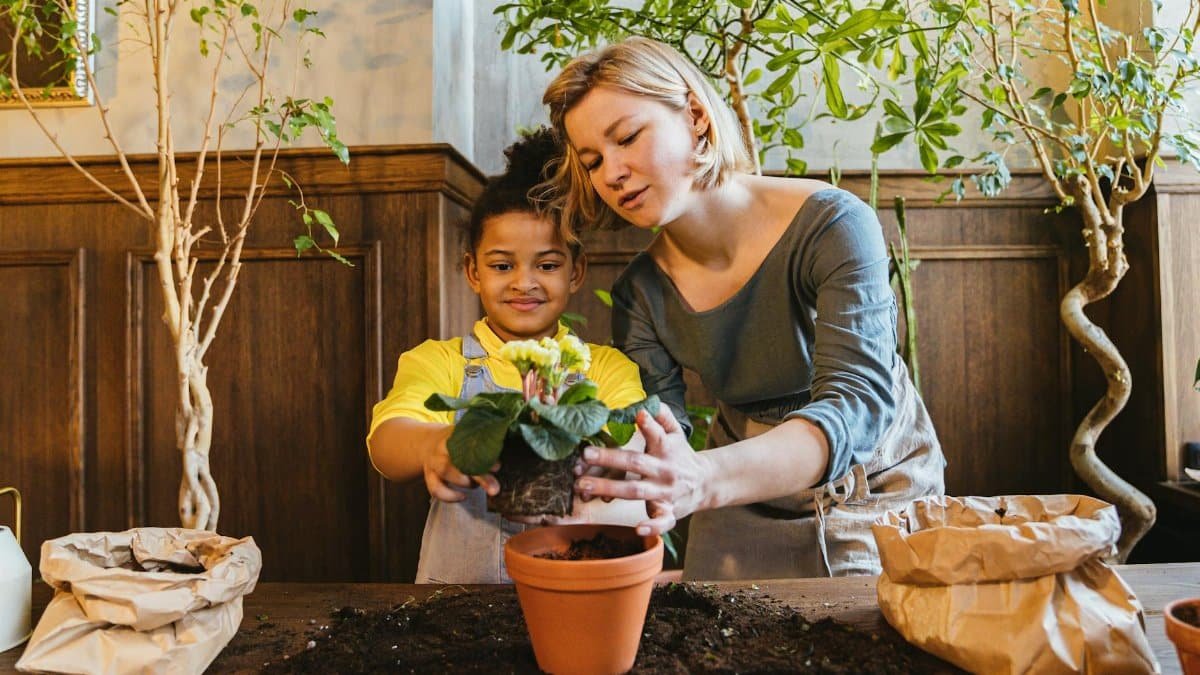
Spring carries unique neurological advantages. The burst of new growth coincides with increased daylight and shifting hormones that naturally energize both body and mind. Planning a spring garden requires foresight organization and the ability to sequence multiple tasks. These are precisely the executive function skills that often erode first in cognitive decline.
Choosing varieties that will thrive in local conditions calculating spacing requirements and creating succession planting schedules all provide gentle yet effective mental workouts. The seasonal nature of the work also builds habit formation. Once the spring rhythm is established it creates a framework for consistent activity throughout the year something many cognitive health experts consider more valuable than occasional intense efforts.
Real World Examples of Improved Cognitive Performance

Across community gardens and backyard plots stories have begun to accumulate. A retired teacher in Oregon who began gardening intensively at age 58 reported that her ability to recall names and details improved noticeably within two growing seasons. A group of neighbors in suburban Chicago formed a cooperative garden after one member experienced early memory concerns. Two years later participants showed measurable gains in standardized cognitive assessments.
These accounts align with broader patterns researchers have documented. While individual results vary the consistency of positive reports has drawn increasing interest from geriatric specialists. Many now view gardening as a accessible low cost intervention that can complement other wellness practices.
Integrating Gardening Into Daily Wellness Practices

The most successful practitioners treat gardening as one element in a larger approach to brain health. They combine it with social connection by sharing produce or gardening knowledge with neighbors. They pay attention to the nutritional quality of what they grow emphasizing leafy greens and colorful vegetables known to support neurological function. Many also use their time in the garden to listen to podcasts or music that further stimulates their minds.
This integrated approach appears to amplify the benefits. The garden becomes not just a plot of land but a hub for physical activity mindful awareness social engagement and meaningful purpose. For those seeking sustainable ways to protect their cognitive abilities as they move through middle age this holistic model holds considerable appeal.
Scientific Studies Supporting These Brain Benefits

Emerging research provides a growing foundation for these observations. A notable investigation highlighted by the Washington Post found that adults over fifty who engaged in regular gardening showed slower rates of cognitive decline compared to control groups pursuing other hobbies. Additional work published in the Journal of Environmental Psychology suggests that the combination of nature exposure and light physical activity produces synergistic effects on brain derived neurotrophic factor a protein crucial for neuroplasticity.
While more large scale longitudinal studies are needed the existing evidence paints a compelling picture. Gardening appears to influence multiple pathways involved in brain aging from cardiovascular health to stress reduction to direct neurological stimulation. The accessibility of the activity makes it especially promising for broad public health application.
Practical Tips for Beginners This Season

Starting a garden need not be overwhelming. Begin with a small plot or even a few containers on a patio. Choose easy to grow vegetables such as lettuce radishes and beans that offer relatively quick rewards. Focus on the sensory experience rather than perfection. Notice the texture of the soil the temperature of the air and the subtle changes that occur each day.
Consistency matters more than scale. Even twenty minutes several times per week can deliver meaningful benefits. Consider joining a local gardening group or community plot to add social connection to the mix. The most important step is simply beginning. The garden itself will teach the rest over time.
Looking Ahead to Broader Applications in Healthcare

Some forward thinking clinicians have already begun incorporating horticultural therapy into treatment plans for patients concerned about cognitive health. Hospitals and senior living communities are creating healing gardens designed to maximize the neurological and spiritual benefits of plant care. This trend reflects a larger shift toward lifestyle based interventions that address root causes rather than symptoms alone.
As understanding of gardening brain health deepens it may move from the margins of wellness culture into mainstream medical advice. For now the evidence is strong enough to encourage anyone with access to a bit of earth to consider planting something this spring. The potential rewards extend well beyond the harvest.