
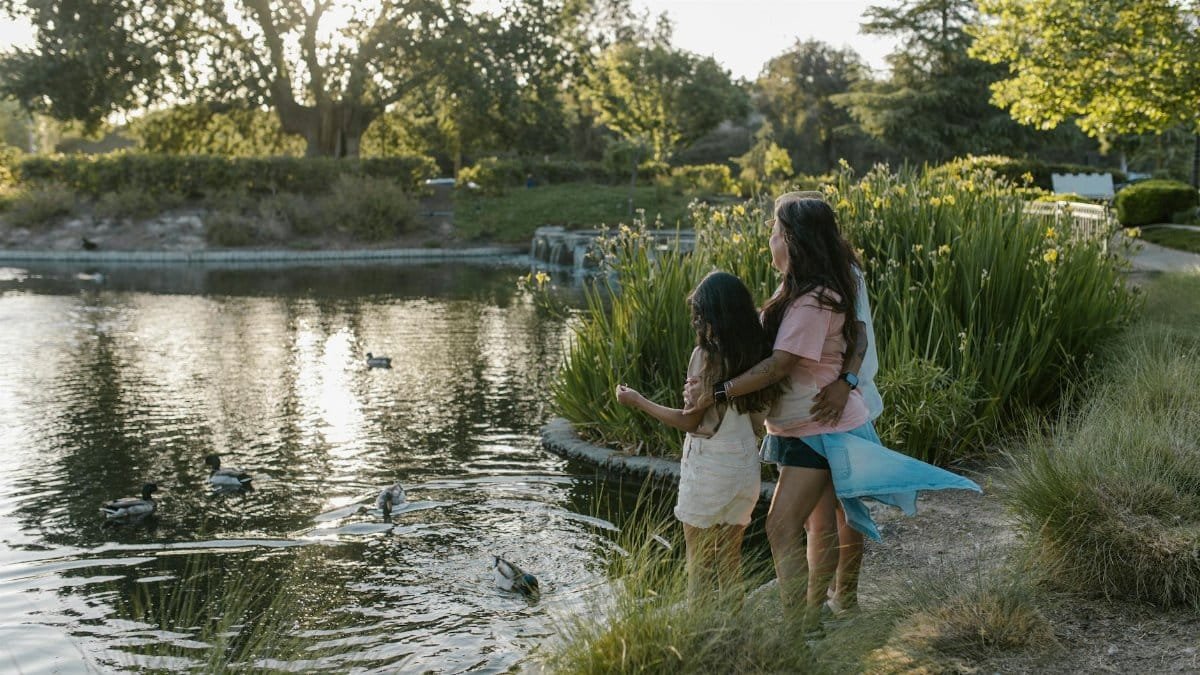
Picture a Saturday morning in suburbia: the minivan idles outside a soccer field slick with dew, while inside, a parent chugs coffee and mentally tallies the day’s carpools, birthday parties, and looming deadlines. Sound familiar? For countless burned-out parents, weekends feel less like recharge and more like endurance tests. Enter forest bathing, the Japanese practice of slow immersion in wooded surroundings, emerging as an antidote to the frenzy. What if a simple walk among the trees could quiet the mind, mend frayed nerves, and even bond a family? Practitioners report sharper focus and deeper calm after just hours under the canopy. As urban sprawl squeezes green spaces, this unhurried ritual offers a radical yet accessible reset, proving that nature’s embrace might just be the weekend salvation modern parents crave.
The Japanese Origins of a Global Calm
Forest bathing, known as shinrin-yoku in Japan, traces back to the 1980s when the country’s forestry agency promoted it as public health therapy. Amid rising stress from rapid industrialization, officials urged citizens to bathe their senses in forest atmospheres. Unlike hiking for exercise, this involves meandering mindfully, absorbing scents of pine, the rustle of leaves, and dappled sunlight. Today, it has crossed oceans, with Americans adapting it to national parks and local woods. For parents juggling endless to-do lists, its emphasis on presence over productivity resonates deeply.
Why Burned-Out Parents Are Prime Candidates

Raising children in 2024 means navigating remote work glitches, school anxiety, and social media overload, all while modeling resilience. Studies show parents experience chronic stress levels rivaling those of frontline workers. Forest bathing counters this by lowering cortisol, the stress hormone. A 2019 review in Environmental Research analyzed multiple trials, finding participants’ cortisol dropped by up to 16 percent after forest exposure.Read the study here. Imagine trading screen time battles for tree time tranquility; for exhausted caregivers, it’s not indulgence, it’s essential.
The Science Unpacking Nature’s Therapy

Researchers have dissected forest bathing’s magic through blood tests and mood surveys. Japanese immunologist Qing Li pioneered work showing phytoncides, antimicrobial compounds from trees, boost natural killer cells, our body’s frontline defenders against illness. His book Forest Bathing details experiments where subjects’ immune function rose 50 percent post-immersion.Explore Li’s findings. For parents, this translates to fewer sick days amid kid germ warfare, plus improved sleep and mood stability backed by brain scans revealing calmed amygdala activity.
Turning It Into a Family Adventure

Kids thrive on novelty, yet structured playdates often leave parents drained. Forest bathing flips the script: no agendas, just exploration. Encourage children to touch bark, listen for birds, or invent games with acorns. Pediatric experts note nature play enhances creativity and reduces ADHD symptoms. A Stanford study found kids walking in parks showed less rumination than those on urban streets.See the research. Parents report kids return calmer, bedtime battles forgotten, fostering rare moments of unforced connection.
Crafting Your Perfect Weekend Itinerary

Start small: Friday evening, pack snacks and leave phones in the car. Saturday dawn, head to a nearby trailhead. Spend two hours wandering—no rushing. Pause for deep breaths, note five senses engaged. Lunch under a tree, then gentle activities like leaf rubbings. Afternoon naps or reading in hammocks. Sunday mirrors it, perhaps with a forest picnic. Total cost? Gas and granola bars. This rhythm rebuilds without the burnout of theme parks, aligning with pediatric sleep guidelines for outdoor wind-downs.
Scouting Accessible Forests Near You

No need for remote wilderness. Urban parents can tap state parks like New York’s Harriman or California’s redwood groves. Apps like AllTrails pinpoint beginner-friendly paths under two miles. Community forests in places like Seattle’s Discovery Park offer paved options for strollers. Even city dwellers find pockets: Chicago’s Jackson Park or Atlanta’s BeltLine woods. Check forest service sites for free entry days. The key? Proximity trumps perfection, ensuring forest bathing slots into soccer Saturdays without upheaval.
Navigating Hurdles for Reluctant Families

Bugs, weather, whiny toddlers—obstacles abound. Prep with bug spray, rain ponchos, and carrier packs. Frame it as treasure hunts to hook kids. If teens balk, let them lead playlists sans screens. Start with 30 minutes to build tolerance. Parents wary of “doing nothing” find guided apps like Calm’s nature walks ease entry. Persistence pays: repeat visits cultivate habit, much like bedtime routines.