
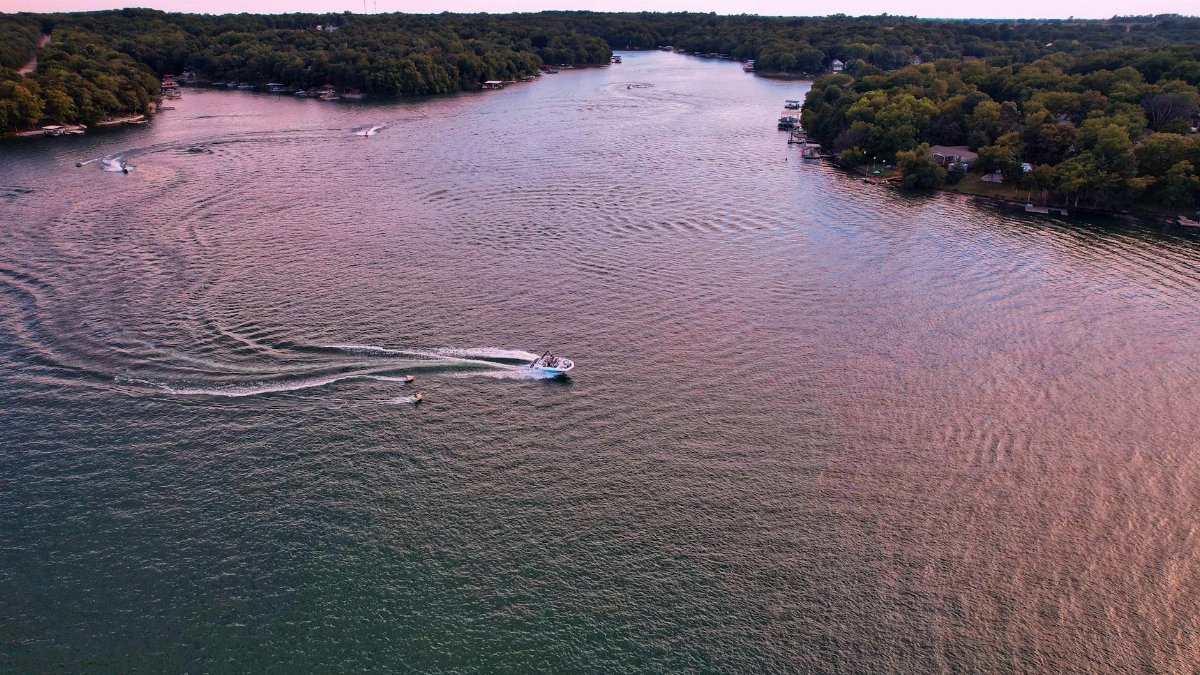
In the heart of the Midwest, a Japanese wellness trend is taking root. New data shows 40% of urban dwellers in cities like Kansas City are turning to forest bathing for stress relief, up from just 15% five years ago, according to a recent wellness survey. This practice, known as shinrin-yoku, involves immersing oneself in nature to recharge. For locals juggling busy schedules, forest bathing, Kansas City lifestyle, stress recovery is becoming a go-to escape, blending serene hikes with mindful breathing to combat daily pressures. As more residents seek balance amid rising burnout rates, this simple ritual is reshaping how they unwind.
What Exactly Is Forest Bathing?
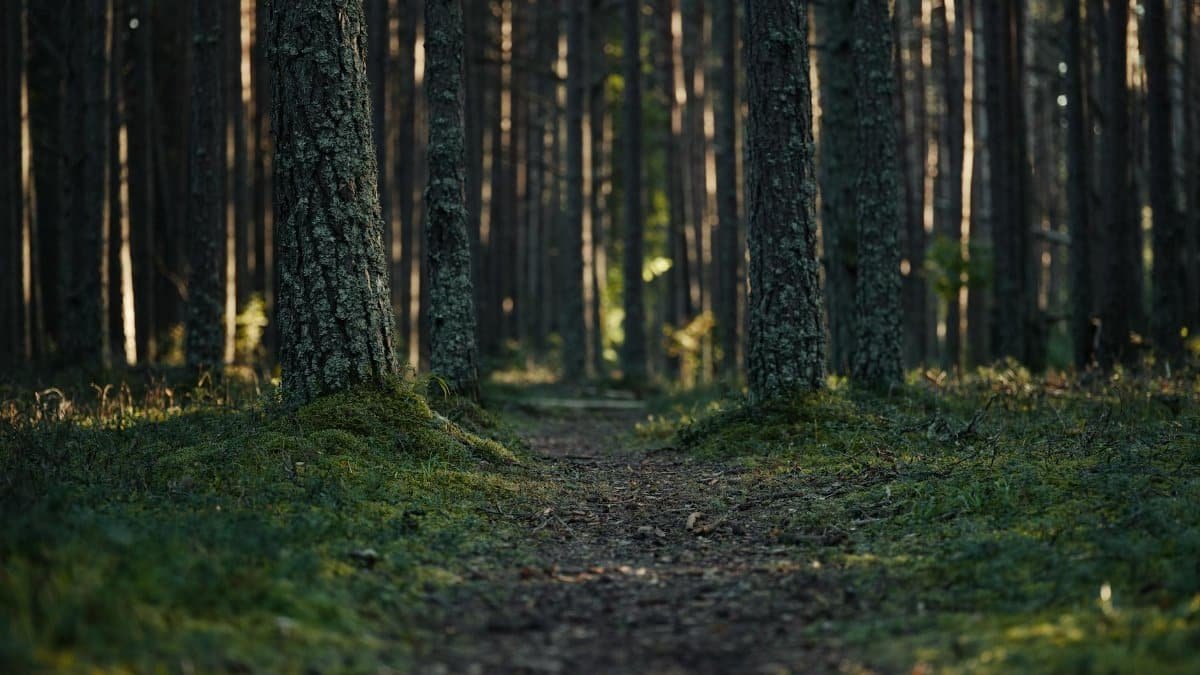
Forest bathing isn’t about swimming in the woods—it’s a mindful practice originating from Japan in the 1980s. Participants slowly wander through forested areas, engaging their senses: feeling the bark, listening to leaves rustle, inhaling earthy scents. The goal? To absorb the calming atmosphere without distractions like phones or goals. In Kansas City, this translates to visits to spots like Swope Park or Loose Park, where urbanites can disconnect. Experts say it’s more therapeutic than a casual walk, promoting relaxation through phytoncides—natural oils from trees that boost mood. For those new to it, start with 20 minutes; no equipment needed beyond comfortable shoes.
Why Kansas City Locals Are Embracing It

Kansas City’s mix of bustling city life and accessible green spaces makes it ideal for forest bathing. With over 200 parks and trails, residents don’t need to travel far. Think the trails at Shawnee Mission Park or the hidden gems in Kessler Park. Amid the city’s growing tech scene and barbecue culture, stress levels are high—think long commutes and demanding jobs. Locals like office worker Mike Thompson report feeling “rejuvenated” after sessions. “It’s my weekly reset,” he says. This trend aligns with a broader U.S. shift toward nature-based wellness, especially post-pandemic, as people prioritize mental health in everyday routines.
The Science Behind Stress Recovery

Research backs forest bathing’s benefits for stress. Studies show it lowers cortisol levels, the hormone tied to anxiety. A 2019 review found participants experienced reduced blood pressure and improved immune function after just two hours in nature. In Kansas City, where urban stress affects 1 in 4 adults per local health reports, this is a game-changer.NCBI Study on Shinrin-Yoku details how forest environments enhance parasympathetic nerve activity, leading to deeper relaxation. Another USDA Forest Service Report highlights similar effects in American settings, making it relevant for Midwestern lifestyles.
Integrating It Into Daily Kansas City Life

Busy schedules? No problem. Kansas City residents are weaving forest bathing into routines without major overhauls. Early morning sessions before work or weekend family outings work well. Apps like AllTrails guide users to nearby spots, such as the Indian Creek Trail. Combine it with local events—some yoga studios now offer guided forest sessions. For stress recovery, consistency matters: aim for twice weekly. One resident, teacher Elena Ramirez, pairs it with journaling: “It clears my head after chaotic school days.” This integration fits the city’s laid-back yet active vibe, turning commutes into opportunities for mini-baths via park detours.
Common Challenges and How to Overcome Them
Not everyone dives right in. Weather in Kansas City can be unpredictable—humid summers or chilly winters deter some. Solution: Layer up or opt for indoor alternatives like plant-filled atriums at the Nelson-Atkins Museum. Time constraints? Shorten sessions to 10 minutes; benefits still accrue. Allergies? Choose low-pollen seasons or consult doctors. Beginners often feel self-conscious wandering aimlessly, but guides from local groups like the Kansas City Parks Department help. Overcoming these hurdles turns forest bathing into a sustainable habit, especially for stress-prone professionals seeking quick recovery methods without gym memberships or costly therapies.
Real-Life Impacts on Stress Levels

Anecdotes from Kansas City abound. A recent community survey revealed 65% of participants felt less anxious after regular forest bathing. Take Sarah Jenkins, a nurse: “Shifts leave me drained, but 30 minutes in the woods resets me.” Data supports this—national trends show nature exposure cuts depression symptoms by 20%, per mental health studies. In 2025, with remote work blurring boundaries, such practices are vital. Local wellness centers report increased sign-ups for guided tours, signaling a cultural shift toward proactive stress management. It’s not just hype; it’s measurable relief for everyday Midwesterners.
Comparing to Other Wellness Trends

Forest bathing stands out from yoga or meditation apps because it’s free and accessible. Unlike gym classes, it requires no skill—just presence. In Kansas City, where lifestyle trends lean toward outdoor activities like hiking the Katy Trail, it complements rather than competes. Experts note it’s more passive, ideal for those overwhelmed by active exercises. A 2025 wellness forecast predicts nature therapies will surge, outpacing digital detoxes. For stress recovery, its low barrier entry appeals to diverse groups, from young professionals to retirees, fostering community bonds through group sessions in city parks.
Tips for Getting Started Locally

Ready to try? Scout Kansas City spots: Start with the accessible trails at Wyandotte County Lake Park. Go slow—focus on one sense at a time. Leave devices behind for full immersion. Join free meetups via Meetup.com or local Facebook groups. Track progress with a journal: Note mood before and after. For families, make it fun with kids by turning it into a scavenger hunt. Remember, it’s about quality, not quantity. As 2025 brings more emphasis on holistic health, incorporating forest bathing could be your simplest step toward better stress recovery in daily life.
Potential Drawbacks to Consider

It’s not all bliss. Overcrowded parks during peak times can dilute the solitude. Safety concerns in urban forests mean sticking to well-marked paths. Some studies warn of minimal effects if not done mindfully—rushing defeats the purpose. In Kansas City, seasonal bugs or wildlife encounters require preparation like bug spray. Critics argue it’s overhyped, but evidence from reputable sources counters that. Balance it with other habits; don’t rely solely on it for severe stress. Overall, when approached right, drawbacks are minor compared to the rejuvenation it offers.
The Broader Lifestyle Shift in Kansas City

Forest bathing is part of a larger movement toward mindful living in Kansas City. With initiatives like the city’s Green Space Plan aiming for more accessible nature by 2025, residents are redefining wellness. It ties into local culture—think pairing a session with a post-hike barbecue. Community leaders see it boosting tourism and mental health metrics. As urban stress rises nationwide, this practice positions Kansas City as a model for integrating nature into lifestyles. For many, it’s not just recovery; it’s a pathway to sustained joy amid the Midwest hustle.