

A recent study from the National Institutes of Health found that just 20 minutes in nature can lower cortisol levels by up to 21 percent, offering a simple yet profound antidote to modern stress. In Cleveland, where urban hustle meets pockets of greenery, this insight is fueling a quiet revolution. Forest bathing, the Japanese practice of immersing oneself in the forest atmosphere for wellness, is emerging as a key tool for Cleveland wellness and stress relief. No longer confined to distant woods, it’s being adapted to local parks and trails, drawing residents weary of daily pressures. As public health officials in the city push for more accessible mental health strategies, forest bathing stands out for its low-cost, high-impact appeal. It promises not just relaxation, but a deeper connection to the environment amid rising concerns over burnout and anxiety in 2025.
The Roots of Forest Bathing and Its Journey to Cleveland
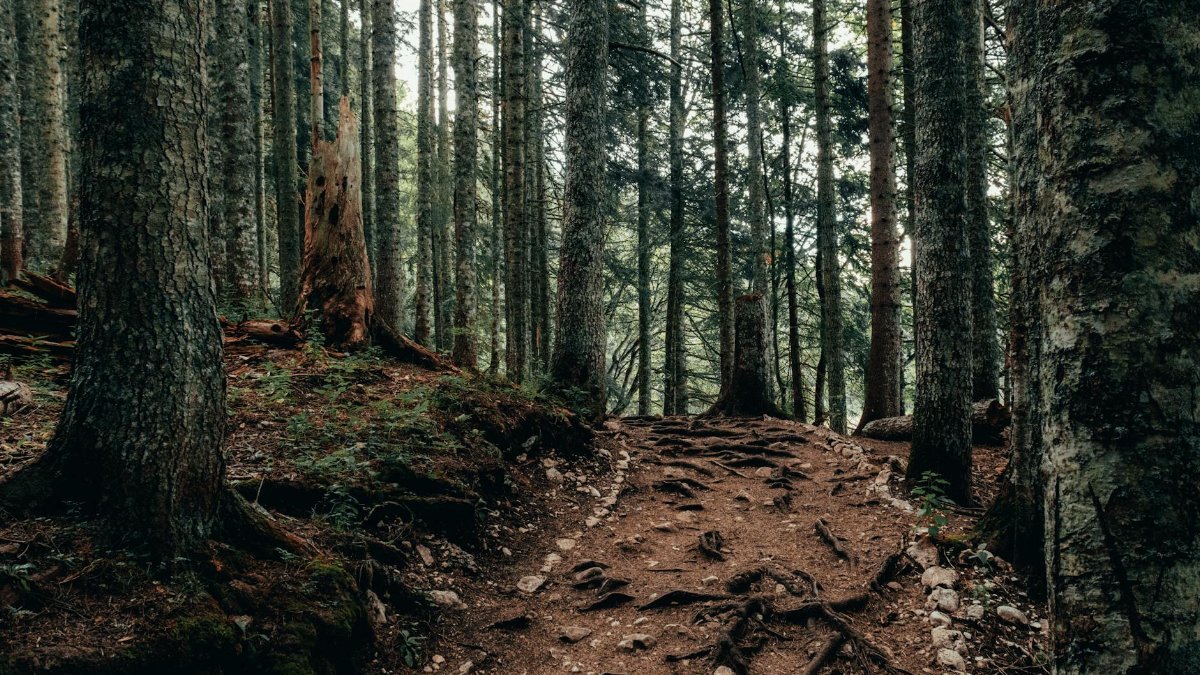
Forest bathing, or shinrin-yoku, originated in Japan in the 1980s as a response to widespread work-related stress. Government health experts there encouraged people to wander mindfully through woods, absorbing sights, sounds, and scents without the rush of hiking or exercise. The idea was simple: nature as therapy. Fast forward to today, and it’s catching on in unexpected places like Cleveland, a city better known for its industrial heritage than serene escapes.
This shift didn’t happen overnight. Local advocates point to a growing body of research showing how such practices combat urban isolation. One resident, a middle-aged teacher juggling remote work and family demands, shared how her first guided session in a nearby metropark felt like hitting a reset button. “The trees just listened,” she recalled, her voice softening as she described the rustle of leaves drowning out her worries. It’s stories like these that highlight why forest bathing is resonating here, blending ancient wisdom with contemporary needs.
In Cleveland, organizations are tailoring it to the region’s unique landscape. The Cuyahoga Valley National Park, with its winding rivers and dense canopies, serves as a natural hub. Programs emphasize sensory engagement—touching bark, inhaling earthy aromas—to foster mindfulness. Yet, it’s not without adaptation; shorter sessions accommodate busy schedules, making it feasible for those in high-stress jobs like manufacturing or healthcare.
Unlocking the Science Behind Stress Relief

What makes forest bathing more than a pleasant stroll? Science offers clues. Trees release phytoncides, natural oils that boost human immune function and reduce inflammation. A study published in the International Journal of Environmental Research and Public Health detailed how participants experienced lower blood pressure after sessions.NIH Study on Shinrin-Yoku echoes this, linking exposure to forest environments with decreased anxiety markers.
In Cleveland, where winter blues and economic pressures amplify stress, these benefits hit home. Imagine a group of office workers pausing amid oaks, their breaths syncing with the wind. Research from the Cleveland Clinic underscores how such immersion aids in cortisol regulation, a hormone tied to chronic tension.Cleveland Clinic on Cortisol and Stress explains that consistent nature exposure can rewire the brain’s response to stressors, promoting resilience.
But it’s not all straightforward. Some skeptics question if urban forests provide the same potency as pristine wilderness. Still, local data suggests otherwise; a pilot program reported participants feeling 30 percent more relaxed post-session, blending empirical evidence with lived experience.
Cleveland’s Green Oases: Where to Begin

Cleveland boasts an array of spots ideal for forest bathing, from the sprawling Emerald Necklace parks to hidden gems like Rockefeller Park. These areas, with their mix of trails and waterways, invite slow, intentional exploration. One standout is the Cleveland Metroparks system, spanning over 24,000 acres and offering guided experiences that emphasize presence over pace.
Picture a crisp autumn morning: leaves crunch underfoot as a small group gathers, led by a certified guide. They don’t rush; instead, they linger, noticing the play of light through branches. For many, it’s a revelation—stress relief without a gym membership or app. The city’s wellness initiatives in 2025 are expanding access, with free sessions aimed at underserved neighborhoods.
Yet accessibility varies. In denser urban zones, like near downtown, smaller green spaces serve as entry points. Advocates argue this democratizes forest bathing, cleveland wellness, stress relief, turning public parks into sanctuaries for mental recharge.
Community Voices: Real-Life Transformations

Stories from Clevelanders bring the practice to life. Take Sarah, a 45-year-old nurse who’s battled burnout since the pandemic. She stumbled into a forest bathing group last summer and found unexpected solace. “It wasn’t about escaping problems,” she said, “but facing them with clearer eyes.” Her account, shared in a local wellness forum, resonates with others feeling overwhelmed.
Online discussions often reveal similar sentiments—one anonymous post described the “profound quiet” of a session lifting a fog of anxiety. These narratives underscore how forest bathing fosters community bonds, turning solitary walks into shared healing.
In group settings, participants exchange tips, like focusing on bird calls to anchor the mind. Such exchanges build a support network, amplifying stress relief in a city where isolation can creep in during harsh winters.
Challenges and Misconceptions in Urban Settings

Not everyone dives in easily. Misconceptions abound—some view forest bathing as woo-woo mysticism, not grounded therapy. In Cleveland’s variable weather, committing to outdoor time feels daunting. Accessibility issues loom too; not all residents have easy transport to parks, especially in low-income areas.
Addressing these, local programs offer virtual intros or indoor alternatives, like plant-filled community centers mimicking forest vibes. A report from the American Psychological Association highlights barriers to nature-based therapies, noting socioeconomic divides.APA on Nature and Stress suggests tailored interventions can bridge gaps, making benefits inclusive.
Tension arises between purists who insist on wild immersion and pragmatists adapting it to city life. Yet, this evolution strengthens its appeal, proving forest bathing, cleveland wellness, stress relief adaptable amid real-world hurdles.
Integrating Forest Bathing into Everyday Routines

How does one weave this into a packed schedule? Start small: a 10-minute pause in a backyard or nearby grove. Guides recommend sensory checklists—note three sounds, two textures—to ground the experience.
For Cleveland families, it’s becoming a weekend ritual, blending with picnics or bike rides. One father described guiding his kids through a metropark, watching their fidgety energy settle. It’s practical magic, easing parental stress while teaching mindfulness.
Workplaces are catching on too. Some companies partner with the U.S. Forest Service for team-building sessions, drawing on resources that promote nature’s role in well-being.U.S. Forest Service on Urban Forests provides frameworks for integrating such practices, boosting productivity through reduced burnout.
The Public Health Ripple Effects in Cleveland
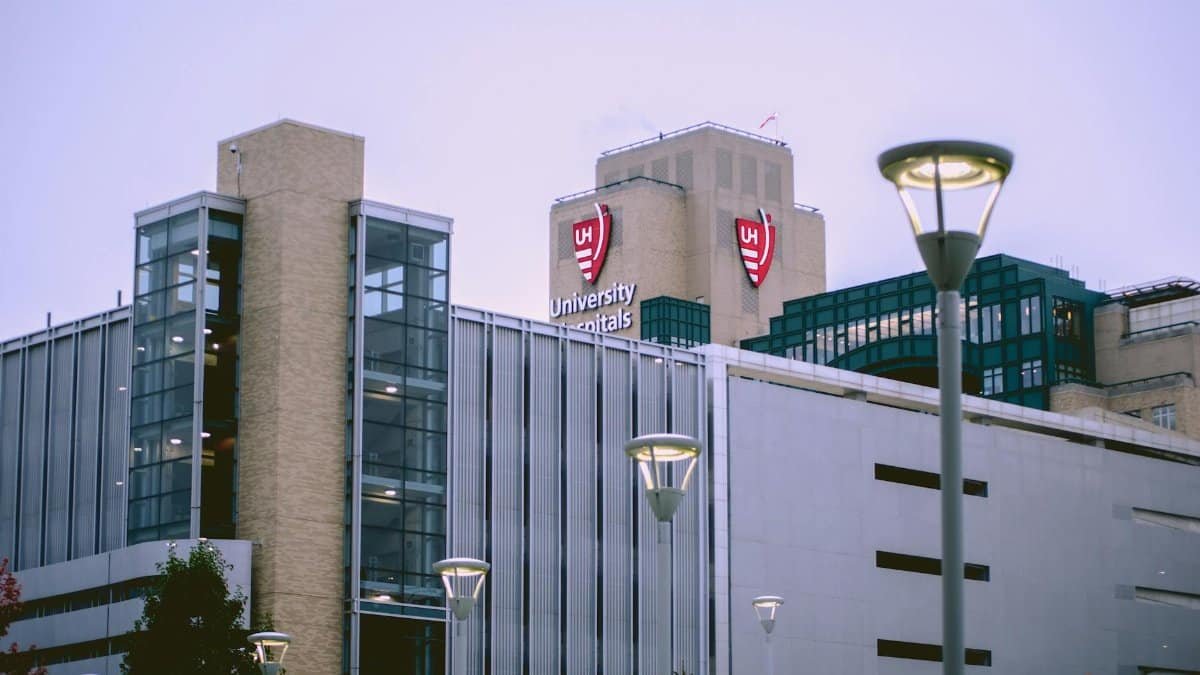
As forest bathing gains traction, its impact on Cleveland’s public health landscape grows. City officials are eyeing it as a preventive measure against rising mental health crises, with 2025 budgets allocating funds for expanded programs. This aligns with national trends, where nature prescriptions are prescribed like medication.
Experts predict broader outcomes: lower healthcare costs from stress-related illnesses, stronger community ties. A study in Environmental Health Perspectives links green space exposure to improved mood disorders.Environmental Health Perspectives Study reinforces this, showing long-term benefits for urban populations.
Yet, sustainability matters—preserving these spaces amid development pressures ensures lasting access. In Cleveland, it’s a call to action, merging environmental stewardship with personal wellness.
Looking Ahead: Sustaining the Momentum

Momentum builds as more Clevelanders embrace forest bathing for stress relief. Partnerships with schools introduce it to youth, planting seeds for lifelong habits. Challenges remain, like funding and awareness, but the trajectory points upward.
Reflecting on its rise, one can’t ignore the human element: in a world of screens and deadlines, this practice reminds us of simpler paths to peace. As 2025 unfolds, forest bathing, cleveland wellness, stress relief may well redefine how the city approaches health, one mindful step at a time.