
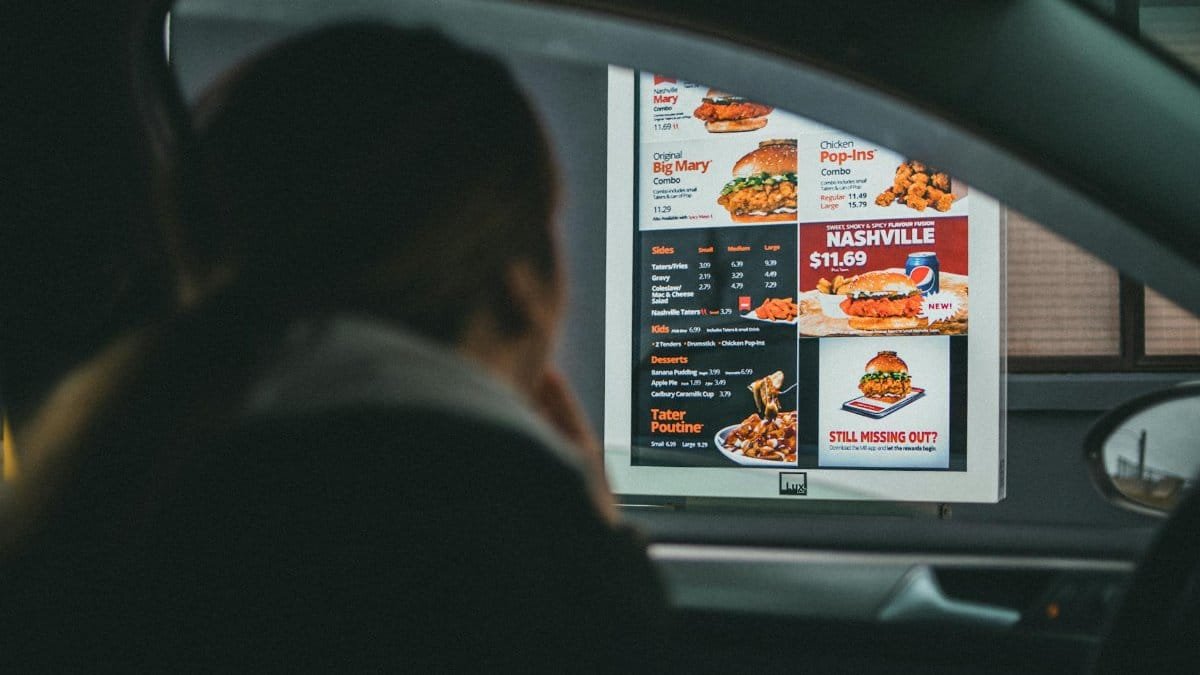
Is your burger more expensive at noon? Reports from February 14, 2026, reveal fast food chains testing surge pricing food during peak hours, sparking outrage. Consumers across the U.S. are threatening boycotts, furious over dynamic price hikes when demand surges. This tactic, borrowed from ride-sharing apps, adjusts menu costs upward during busy times like lunch rushes. Fast food giants face a backlash as diners decry the practice as gouging. The news has ignited debates on fairness in everyday eating.
What Is Surge Pricing Food?
Surge pricing food refers to dynamic adjustments in fast food menu prices based on real-time demand. During high-traffic periods, costs rise to balance supply and crowds. The February 14 reports highlight this as a new experiment in the sector. Chains aim to maximize revenue when lines form and kitchens strain. Unlike fixed pricing, it fluctuates like electricity rates or airline tickets. Critics call it opportunistic, hitting wallets hardest when hunger peaks. This model promises efficiency but risks alienating loyal customers.
Fast Food Chains Enter the Test Phase
Major fast food chains have quietly launched pilots for surge pricing food. The reports surfaced on February 14, 2026, exposing internal tests. Operators seek ways to handle volume spikes without expanding staff or space. By raising prices temporarily, they incentivize off-peak visits. This mirrors tactics in other industries, yet food’s daily necessity amplifies scrutiny. U.S. diners, accustomed to value menus, now confront variability at drive-thrus.Investopedia: Surge Pricing Explained details how such systems work across sectors, providing context for fast food applications.
Busy Hours in the Crosshairs
Lunch rushes top the list for surge pricing food trials. Noon hits see the sharpest spikes, per the reports. Demand overwhelms counters as workers grab quick bites. Evening peaks and weekends follow suit. Chains track foot traffic via apps and sensors to trigger hikes. A burger that costs $5 at 10 a.m. might jump 20-50% by midday. This targets maximum congestion, easing pressure on operations. Consumers report sticker shock at order screens.
Consumer Outrage Builds Quickly
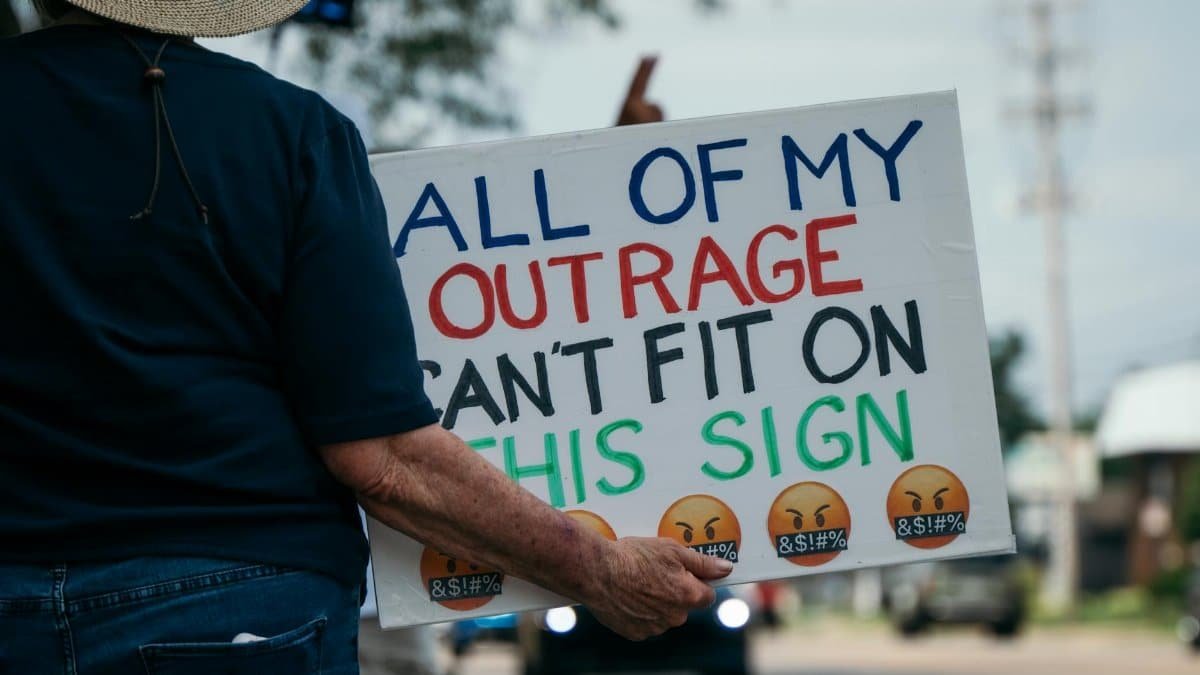
U.S. eaters reacted swiftly to the February 14 news. Social media exploded with complaints about surge pricing food. Families and office workers vented frustration over inflated combos during crunch times. Many label it profiteering on hunger. Posts demand transparency and fixed prices. The practice clashes with fast food’s budget appeal, eroding trust. Low-income households feel the pinch most, as small hikes add up weekly.
Boycott Threats Escalate

Boycotts loom large against chains testing surge pricing food. Consumers pledge to skip outlets during peaks or switch rivals. Hashtags trend nationwide, urging mass avoidance. Organized groups rally for legislation capping dynamic food pricing. The February 14 reports fueled calls for accountability. Diners threaten long-term loyalty shifts, hitting sales where it hurts. Chains risk empty seats if backlash sustains.
Why Now in 2026?

Inflation and labor costs drive 2026’s surge pricing food push. Fast food margins thinned post-pandemic, prompting innovation. Reports tie tests to profitability quests amid rising wages. Busy U.S. lifestyles amplify peak demands, making dynamic models attractive. Yet timing draws fire—economic strains make price volatility toxic. Chains bet on data-driven tweaks, but public mood sours the gamble.FTC on Price Gouging Oversight offers federal perspective on practices like surge pricing, relevant to consumer protections in food sales.
Operational Upsides for Chains
Proponents argue surge pricing food smooths operations. Higher peak prices deter crowds, shortening waits. Revenue funds quieter-hour discounts. Kitchens avoid burnout, staff rotates efficiently. The February 14 disclosures note tech integrations for seamless shifts. Pilots measure success via sales data and traffic flow. Chains view it as evolution, not exploitation.
Risks to Customer Loyalty
Backlash threatens core fast food bonds. Surge pricing food could drive diners to groceries or independents. Repeat visits drop if unpredictability reigns. Reports predict loyalty program churn. U.S. trends show price-sensitive crowds fleeing volatility. Boycotts amplify via apps, coordinating skips. Chains must weigh short-term gains against eroded goodwill.
Calls for Regulation Grow

Lawmakers eye surge pricing food amid uproar. February 14 reports prompt state probes into transparency. Advocates push disclosures at point-of-sale. Federal guidelines might cap food surges, unlike rideshares. Consumer groups file complaints, citing deceptive practices. 2026 sees momentum for rules protecting meal affordability.
What’s Next for Diners?

Fast food faces a crossroads with surge pricing food. Boycott pressure tests resolve. Some chains may scrap pilots; others refine quietly. U.S. consumers hold power via choices and voices. Watch for menu tweaks or apologies. The February 14 spark underscores tensions between profit and people in daily dining.