

In a fast-paced world, self-inquiry is emerging as a go-to tool for tackling everyday stress. New data from the American Psychological Association shows that 75% of adults report high stress levels, with many turning to mindfulness practices like reflection for relief. This approach, blending reflection | clarity | growth, helps individuals pause, assess their thoughts, and foster personal development. Experts say it’s not just trendy—it’s effective for building resilience in daily life, especially in bustling cities like Boston where work pressures run high.
What Is Self-Inquiry Exactly?

Self-inquiry boils down to asking yourself probing questions to uncover deeper truths. It’s a practice rooted in ancient philosophies but adapted for modern life. Think of it as a mental workout that promotes reflection | clarity | growth by challenging assumptions and habits. Therapists in the U.S. often recommend starting with simple queries like “Why am I feeling this way?” to cut through emotional fog. This method stands out because it’s accessible—no fancy apps or equipment needed. Just time and honesty.
Why Experts Are Pushing It Now

With stress-related health issues on the rise, mental health pros are all in on self-inquiry. A report from the American Psychological Association highlights how chronic stress contributes to anxiety and burnout. Experts like psychologists in Boston clinics note that self-inquiry helps rewire thought patterns, leading to better decision-making. In 2025, as remote work blurs boundaries, this tool is gaining traction for maintaining work-life balance. It’s straightforward and empowers people to take control without relying solely on medication.
How It Tackles Daily Stressors

Everyday hassles like traffic jams or deadlines can snowball into major tension. Self-inquiry steps in by encouraging a pause for reflection. Users report gaining clarity on what’s truly bothering them, which sparks growth in handling conflicts. For instance, a Boston teacher shared how questioning her reactions to student behavior reduced her frustration levels. The key is consistency; even five minutes a day can shift perspectives. This practice aligns with cognitive behavioral techniques, making it a practical add-on to therapy.
Real-Life Benefits Backed by Science

Studies show self-inquiry isn’t fluff. Research from Harvard Medical School links mindfulness-based inquiry to lower cortisol levels, the hormone tied to stress. Participants in a 2023 study experienced improved emotional regulation after regular practice. In the U.S., where stress costs the economy billions annually, this approach offers a cost-effective fix. People using it often see boosts in productivity and relationships, as clarity leads to more intentional actions. Growth follows naturally when old patterns get examined and updated.
Common Pitfalls to Avoid

Not everyone nails self-inquiry on the first try. A frequent mistake is being too judgmental during reflection, which blocks clarity. Experts advise approaching it with curiosity, not criticism. Another snag: inconsistency. Busy schedules in places like Boston can derail efforts, so setting reminders helps. Overthinking questions can also lead to more stress, so keep it simple. Learning from these hurdles ensures the practice fosters genuine growth instead of frustration.
Integrating It Into Your Routine

Starting small makes self-inquiry stick. Begin with morning journaling or evening reviews of the day. Apps can prompt questions, but the core is personal engagement. In 2025, with rising awareness of mental health, groups in Boston are hosting workshops to teach these skills. Pair it with exercise or meditation for amplified effects. The goal is weaving reflection | clarity | growth into habits, turning stress management into second nature.
Expert Quotes and Insights
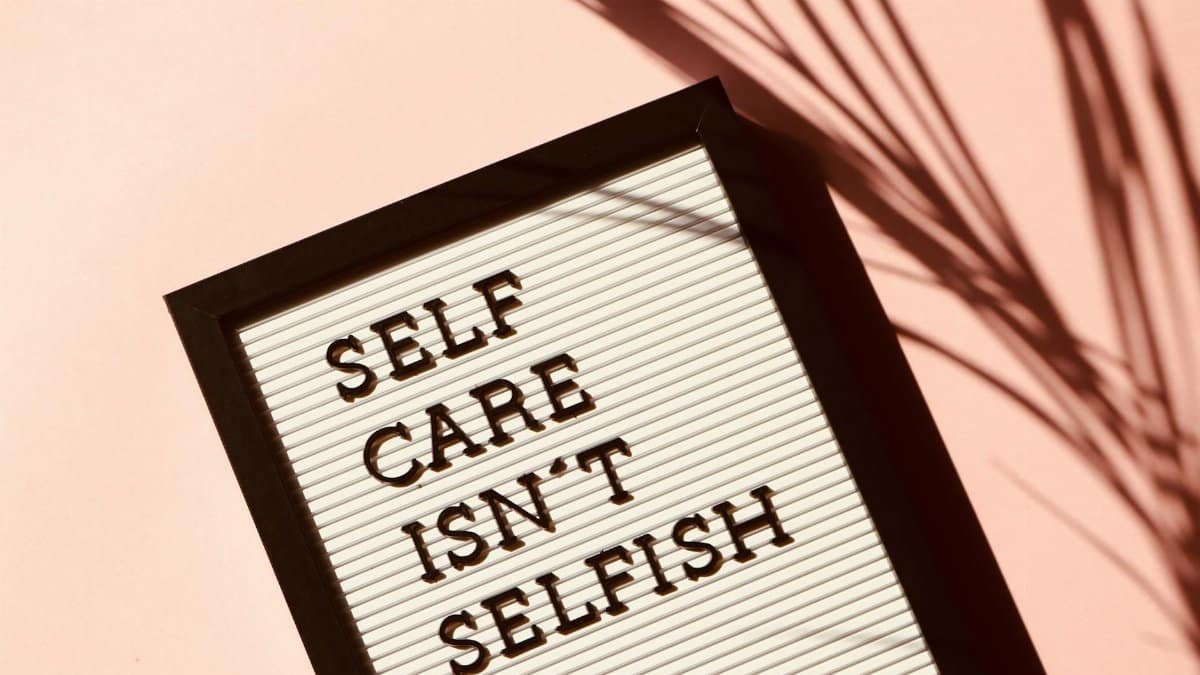
Dr. Elena Ramirez, a Boston-based psychologist, says, “Self-inquiry empowers clients to own their narratives, leading to profound changes.” Her views echo findings from the National Center for Biotechnology Information, which details how introspective practices enhance well-being. Other pros emphasize its role in preventing burnout, especially for high-stress jobs. These endorsements underline why it’s recommended for everyday use.
Who Can Benefit Most?

From stressed parents to corporate executives, self-inquiry appeals broadly. Young professionals in competitive U.S. cities report it helps navigate career pressures. Older adults use it for life transitions, gaining clarity on priorities. Even students find it useful for exam anxiety. The beauty is its universality—anyone facing daily stress can adapt it. In Boston’s diverse communities, it’s bridging gaps in mental health access by being free and self-directed.
Measuring Your Progress

Tracking growth keeps motivation high. Note changes in mood or reactions over weeks. Tools like mood journals help quantify improvements. If stress dips and decisions feel sharper, you’re on track. Experts suggest reassessing every month to refine questions. This ongoing process ensures reflection | clarity | growth evolves with you, making it a lifelong ally against everyday pressures.