
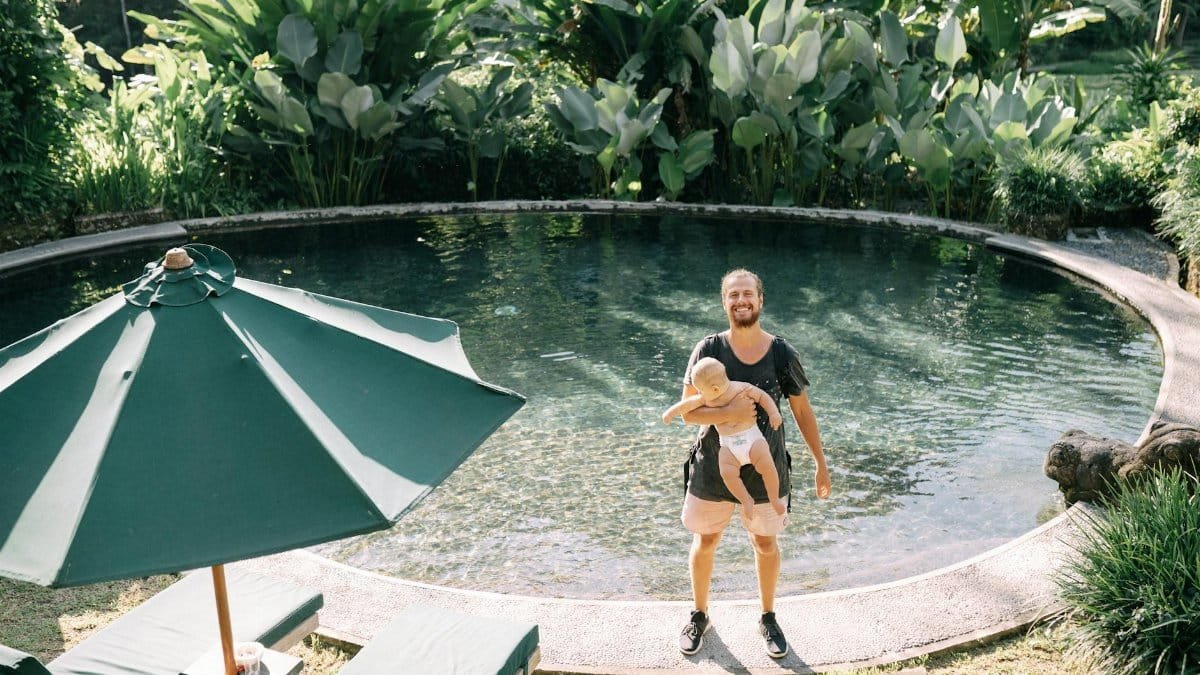
Sarah Thompson arrived at the modest wooden lodge in the Catskills not with a suitcase of swimsuits, but a single backpack and a resolve to speak to no one for five days. At 42, the marketing executive from suburban New Jersey had reached her limit: endless carpools, Zoom calls bleeding into family dinners, and the constant hum of her children’s devices mirroring her own exhaustion. Instead of the tropical getaway her husband suggested, she chose a silent retreat, trading piña coladas for structured solitude. This shift reflects a growing trend among burned-out parents who are ditching beach umbrellas for vow-of-silence escapes, seeking a deeper reset amid the chaos of modern family life.
The Noise That Never Stops

Parenting in the digital age means constant input. Smartphones buzz with school alerts, work emails, and social media feeds that amplify every milestone and meltdown. A 2023 survey by the American Psychological Association found that 77 percent of parents report high stress levels, often citing information overload as a primary culprit. Traditional vacations, with their packed itineraries of theme parks or resort buffets, rarely provide relief. Instead, they replicate the frenzy at home, just in sunnier locales. Silent retreats offer a radical counterpoint: no small talk, no scrolling, just the rhythm of one’s breath amid nature.
Why Beaches Aren’t the Answer

For many parents, the promise of a tropical vacation crumbles under reality. Sunburns, whining kids, and inflated resort prices leave them more depleted than refreshed. “I came back from Mexico needing another vacation,” recalls one mother from Chicago in a post-retreat interview. Data from travel site Expedia shows family trips averaging $4,000 per person, yet satisfaction ratings lag behind solo wellness getaways. Silent retreats, by contrast, enforce disconnection. Participants surrender devices upon arrival, immersing in guided meditation, yoga, and meals in contemplative quiet. This structure appeals to those craving control over their downtime.
A Day in Silence: The Typical Schedule

These retreats vary, but a standard itinerary at places like the Insight Meditation Society in Massachusetts begins at dawn with noble silence—no eye contact, no gestures, just presence. Mornings unfold with sitting meditation, afternoons with walking practices through forests, and evenings with dharma talks. Noblesse oblige, participants eat communally yet wordlessly, fostering mindfulness in the mundane. For parents accustomed to refereeing sibling squabbles, this enforced peace rewires neural pathways. Neuroscientist Richard Davidson’s research at the University of Wisconsin, detailed in his book Altered Traits ( link ), underscores how such practices thicken the prefrontal cortex, enhancing emotional regulation.
Stories from the Front Lines

Take Michael Ruiz, a 38-year-old father of three from Austin. Overwhelmed by his tech job and home-schooling during the pandemic, he booked a weekend silent retreat at Spirit Rock in California. “The silence was deafening at first, but then it became a balm,” he says. Emerging, he reported sleeping better and snapping less at his kids. Similar testimonials flood online forums like Reddit’s r/parenting, where threads on silent retreats have spiked. Women, in particular, dominate bookings; a report from wellness platform Headspace notes a 35 percent uptick in maternal participation since 2020, linking it to the unequal emotional labor burden on mothers.
The Science of Silence

Emerging studies validate the appeal. A 2022 paper in Frontiers in Psychology analyzed 150 retreat participants, finding significant drops in cortisol levels after just three days of silence ( link ). For parents, whose sympathetic nervous systems stay in fight-or-flight from perpetual demands, this biochemical reset translates to clearer thinking and renewed patience. Long-term effects include improved empathy, crucial for family dynamics. Dr. Emma Seppälä, author of The Happiness Track, argues silence amplifies the benefits of meditation, turning passive rest into active healing.
Navigating the Logistics

Booking is straightforward via platforms like Retreat Guru or direct center websites. Costs range from $500 for a weekend to $2,500 for immersive weeklong programs, often comparable to mid-tier family resorts minus airfare. Centers in the U.S., from Esalen in Big Sur to the Omega Institute in New York, cater to beginners with optional light schedules. Parents can opt for shorter formats, like day-long “urban silences” in cities. Preparation involves mental buy-in: inform family, pack simple clothes, and embrace discomfort. Many centers provide pre-retreat webinars to ease newcomers.
Facing the Challenges

Silence isn’t effortless. Initial hours bring monkey-mind chatter, resurfacing worries about unfinished laundry or teen drama. Some parents, like those with anxious attachment styles, struggle with isolation. A small subset drops out, per anecdotal reports from facilitators. Yet perseverance yields breakthroughs; one father described visions of his childhood, unlocking long-buried resentments that softened his parenting. Critics call it privileged escapism, but proponents counter that accessible online versions and scholarships democratize access.
Ripples Back Home

The true payoff emerges post-retreat. Returning parents often initiate family rituals like device-free dinners, echoing their silent reprieve. Relationships mend subtly: less reactivity fosters deeper listening. In the category of healing relationships, silent retreats shine by modeling presence over perfection. A longitudinal study from Stanford’s Center for Compassion and Altruism found meditation practitioners report 20 percent higher marital satisfaction after consistent practice. For exhausted parents, this investment compounds, turning individual recharge into collective harmony.
The Surge in Demand

Post-pandemic, silent retreats have exploded. Google Trends data shows searches for “silent retreat near me” doubling since 2021, with parents driving the spike. Centers report waitlists; new hybrids blend silence with parenting workshops. Influencers like Glennon Doyle have amplified visibility, sharing how such pauses salvaged their family lives. As burnout epidemics persist—Gallup polls indicate 76 percent of employees experience it weekly—silent retreats position themselves as antidotes, especially for the sandwich generation juggling kids and aging parents.
Beyond Silence: Sustainable Practices
One retreat isn’t a cure-all, but it plants seeds. Participants leave with toolkits: breathwork for meltdowns, body scans for bedtime wind-downs. Apps like Calm offer “mini-retreats,” bridging back to reality. For families, integrating silence—perhaps weekly no-talk dinners—extends benefits. Therapists increasingly recommend them alongside talk therapy, viewing silence as the space where insights arise unbidden.
Who Should Consider It

Not every parent needs monastic vows, but those teetering on overwhelm will find value. Introverts thrive immediately; extroverts adapt with guidance. Single parents, too, benefit, with some centers offering childcare tie-ins. As Natasha Weber, reporting from retreats across the country, the common thread is desperation yielding to discovery. In a world screaming for attention, choosing silence is rebellion—and renewal.