
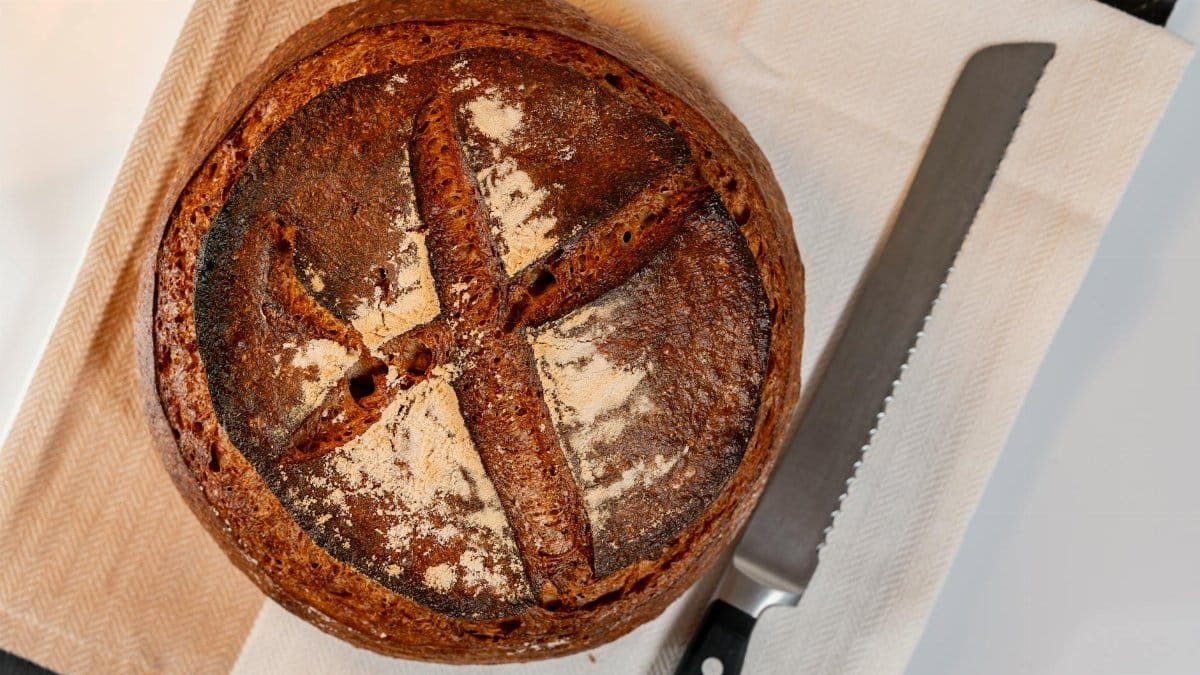
The era of the finicky sourdough starter may be over. On February 7, 2026, home bakers across the U.S. declared “sourdough fatigue” official. Tired of the relentless daily feeding schedule, many are unceremoniously killing their starters and reaching for store-bought bread instead. This shift marks the end of a high-maintenance hobby that once captivated kitchens nationwide. Bakers admit the routine proved too demanding, leading to widespread abandonment.
What Sparked Sourdough Fatigue
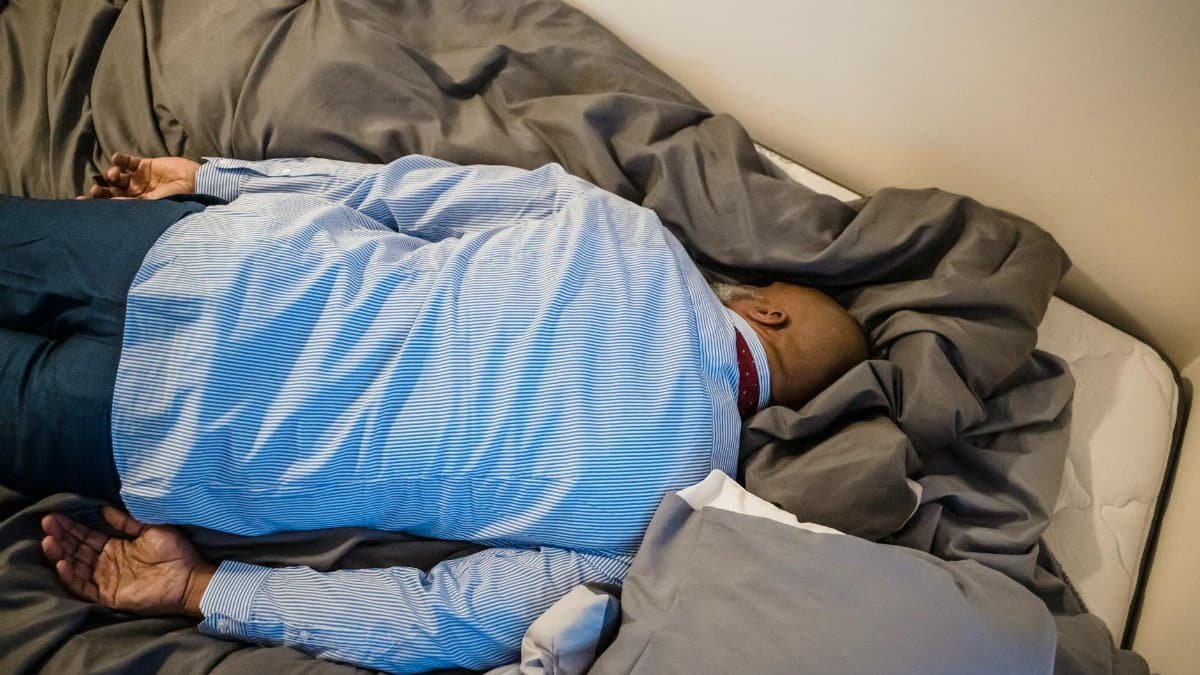
Sourdough fatigue stems directly from the grueling upkeep of live starters. These cultures of wild yeast and bacteria demand daily attention—feeding with flour and water to keep them alive and bubbling. Home bakers, once enthusiastic, now confess the schedule wears them down. The February 7 announcement captures a collective exhale as exhaustion sets in, turning passion into chore.
The Daily Feeding Grind
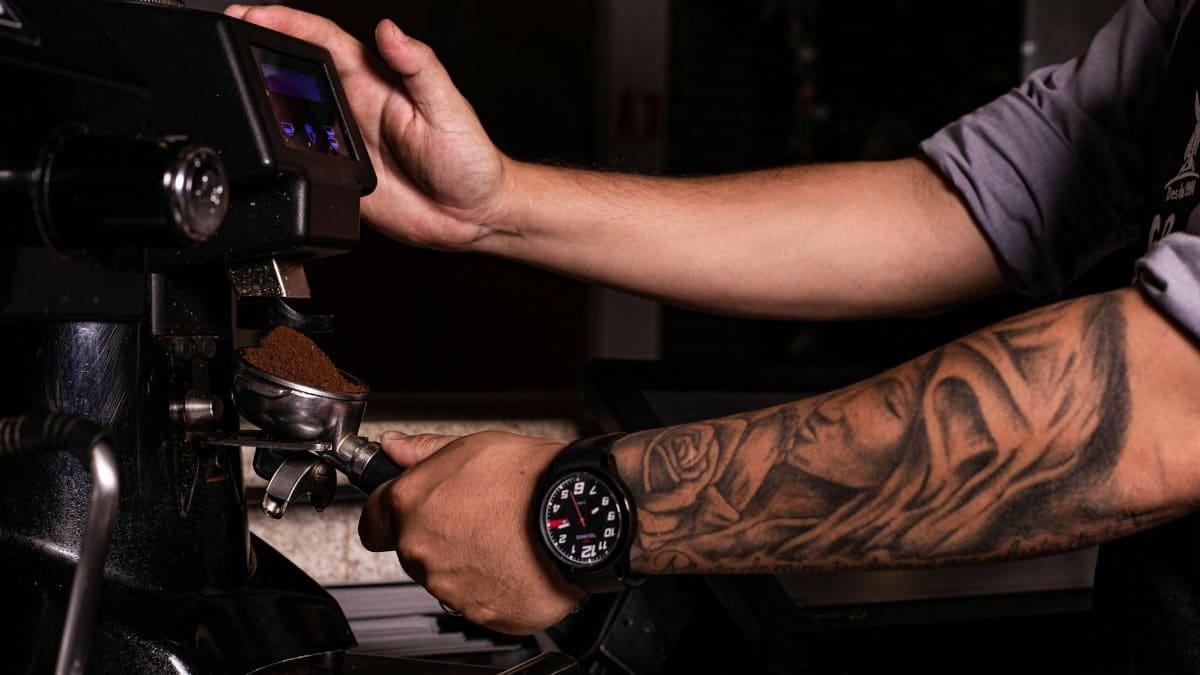
Each day brings the same ritual: discard half the starter, mix in fresh flour and water, and wait for fermentation. Miss a feeding, and the starter weakens or dies. This precision clashes with busy lives. Bakers report the mental load of remembering feeds amid work, family, and errands proves unsustainable. Sourdough fatigue highlights how even simple hobbies can overwhelm when routines rigidify.
Home Bakers Admit Defeat
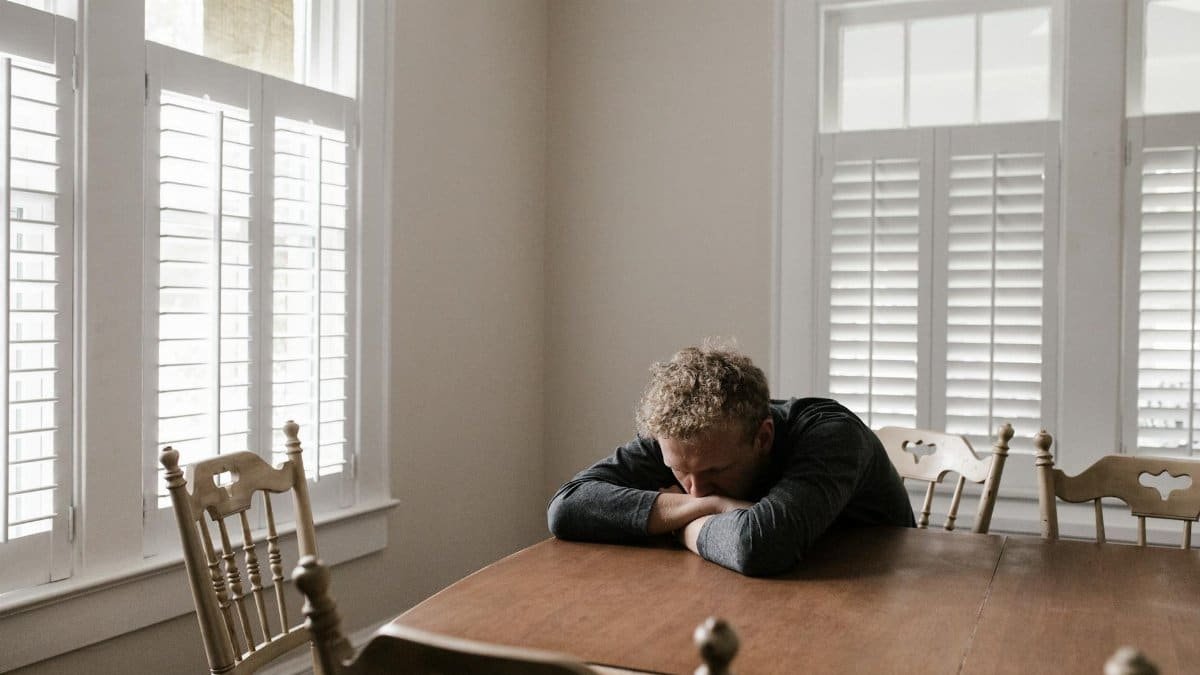
Admissions pour in from kitchens nationwide. “The starter is dead,” one common refrain echoes since February 7, 2026. Home bakers openly share their fatigue, citing the endless cycle as the breaking point. No longer willing to babysit bubbly mixtures, they prioritize ease over artisanal loaves. This honesty signals a broader trend: hobbies must fit real life, not dictate it.
Signs Your Starter is Doomed
Physical cues confirm the end. A once-vigorous starter turns sluggish, gray, or hooch-topped—layers of alcohol signaling neglect. Without daily feeds, it fails to double in size or smells off. Bakers recognize these as fatigue’s toll. By February 7, many had reached this stage, opting to compost rather than revive. The death knell rings clear in silent jars.
Shift to Store-Bought Bread
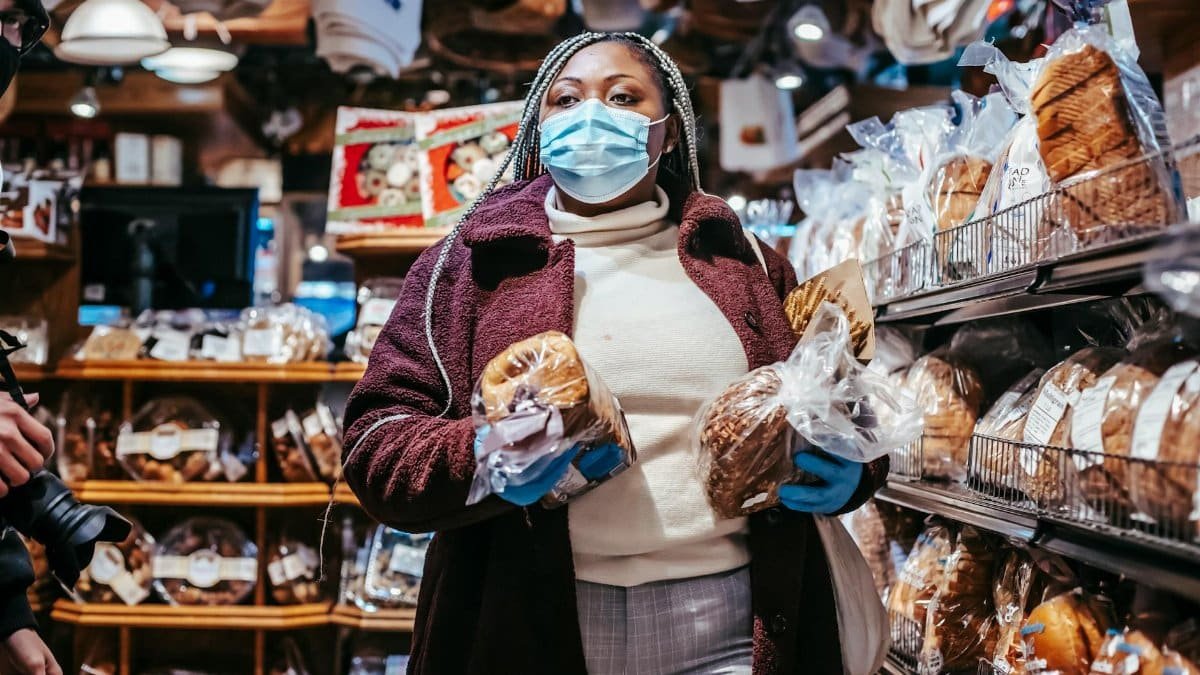
Convenience reigns supreme. Store-bought loaves offer instant satisfaction—no feeds, no failures. Home bakers embrace this return, savoring bread without the burden. Sourdough fatigue accelerates the pivot, as fresh-baked dreams yield to supermarket shelves. This backslide underscores a key lesson: sustainability trumps novelty in daily habits.
Why the Feeding Schedule Breaks Bakers
The schedule’s inflexibility amplifies fatigue. Travel, illness, or oversight means certain death for the starter. Unlike dry yeast, sourdough demands constant care, mimicking a pet more than pantry staple. Bakers tire of the vigilance, especially as initial excitement fades. February 7, 2026, crystallized this reality, with many ditching the daily dance altogether.
Impact on Home Baking Culture
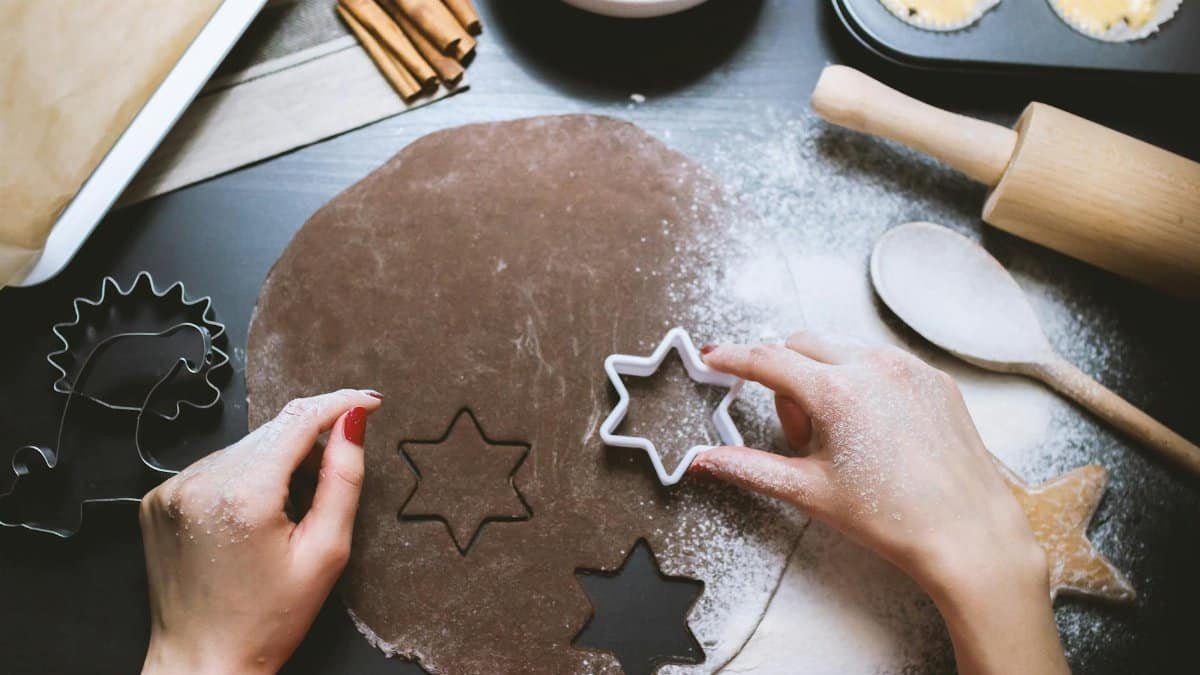
Sourdough fatigue ripples through baking communities. Forums buzz with starter disposal tips and relief stories. The trend tempers expectations for future fads—no hobby escapes scrutiny if maintenance dominates. Bakers redirect energy to quicker wins, like no-knead recipes. This shift preserves joy in cooking without the sourdough strain.
Lessons from the Sourdough Slump

The fatigue epidemic teaches balance. Start small, scale back when needed. For those clinging on, freeze portions or reduce feeds to weekly. Most, however, choose freedom. As of February 7, 2026, store-bought bread symbolizes liberation from fermentation’s grip. Home baking evolves, favoring low-effort triumphs over high-stakes rituals.
For context on starter care demands, see King Arthur Baking’s Sourdough Starter Guide. Similar abandonment trends emerged post-pandemic, detailed in NPR’s report on fading baking fever.