

Yoga classes aren’t what they used to be. Somatic yoga release is transforming mats worldwide into spaces for emotional catharsis, with sold-out sessions drawing crowds eager to shake loose stored trauma through targeted shaking and hip-opening moves. As of January 28, 2026, this global surge shows no signs of slowing, turning traditional stretching into a full-body purge that leaves participants crying freely.
What Is Somatic Yoga?
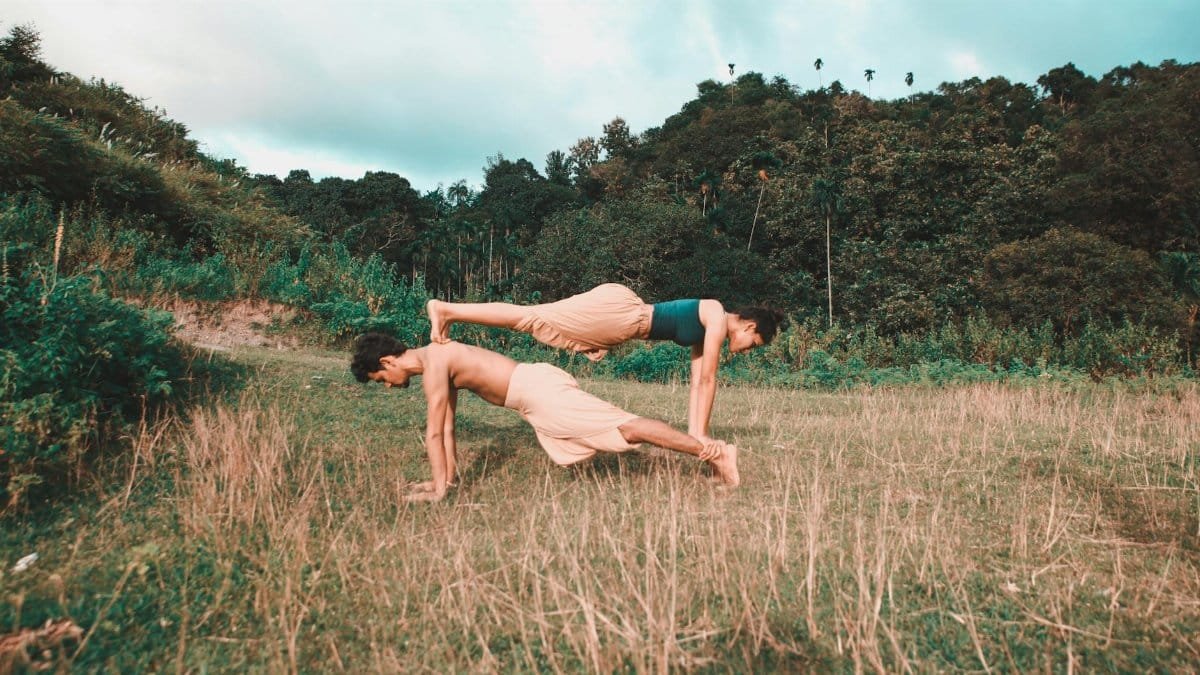
Somatic yoga goes beyond poses and breathwork. It zeroes in on the body’s innate responses to stress and pain. Practitioners guide participants through shaking—tremors that mimic the body’s natural discharge of tension—and deep hip openers. These movements aim to unlock trauma held in muscles and tissues. Classes emphasize sensation over perfection, making it accessible yet intensely personal. The result? A purge that feels primal and profound.
Shaking as Trauma’s Antidote

Shaking forms the core of somatic yoga release. It’s not random quivering; it’s a deliberate activation of the nervous system. Animals shake after danger to reset; humans, bogged down by chronic stress, rarely do. In class, instructors cue gentle tremors from the limbs inward. This releases pent-up energy from past traumas, often manifesting as waves of relief. Participants report lightness afterward, as if shedding invisible weight. Global demand underscores its pull—no appointment needed for this instinctive reset.
Hip-Opening: Gateway to Stored Emotions

Hips store more than flexibility challenges. In somatic yoga, prolonged holds and dynamic flows target this area to unearth emotional blockages. Trauma lodges here, linked to fear and survival instincts. Opening the hips triggers releases—sometimes laughter, often tears. Instructors use props and gentle guidance to make it safe. This focus differentiates somatic yoga from standard vinyasa, turning physical discomfort into emotional breakthroughs. Crowds flock because it delivers where talk therapy stalls.
The Global Sell-Out Phenomenon
From New York studios to Tokyo dojos, somatic yoga classes are booked solid. Waitlists stretch months as word spreads online and by mouth. Demand spiked in early 2026, with urban centers reporting tripled enrollments. It’s not elite; beginners join seasoned yogis. The appeal lies in its promise: purge trauma without years of analysis. Studios adapt by adding sessions, but supply lags. This scarcity fuels the frenzy, positioning somatic yoga as wellness’s hottest ticket.
Tears on the Mat: Why Crying Happens

Crying defines the somatic yoga experience. Midway through a shake or hip sequence, sobs erupt. It’s not sadness—it’s discharge. Stored trauma surfaces as emotion floods out, leaving clarity. Instructors normalize it; tissues are standard issue. Participants leave drained yet renewed, sharing stories of breakthroughs. This raw vulnerability bonds groups, turning classes into communal purges. Globally, mats glisten with these tears, proof the body heals when given space.
Not Just Stretching—It’s Purging

Traditional yoga stretches muscles; somatic yoga purges the psyche. The distinction drives its surge. Poses serve sensation, not Instagram aesthetics. Shaking and hip work tap somatic principles, where body awareness heals mind.Somatic Experiencing International outlines similar mechanisms, validated through decades of trauma work. Practitioners feel it immediately—tension melts, replaced by flow. This shift explains packed rooms everywhere.
U.S. Trends Fueling the Wave

America leads the charge, with coastal cities like Los Angeles and Miami at capacity. Post-pandemic stress amplified interest; somatic yoga offers quick relief. Wellness influencers demo shakes on social media, drawing millennials and Gen Z. Studios report diverse crowds—executives, parents, veterans—united by fatigue. In 2026, it’s mainstream, blending ancient yoga with modern neuroscience. The U.S. mirrors global patterns, exporting the trend via apps and retreats.
Why the Surge Hits Now

Timing aligns with collective burnout. Years of uncertainty left trauma embedded. Somatic yoga provides tangible release—no pills, no couches. Its global sell-outs reflect urgency: people crave embodiment. Shaking bypasses the thinking mind; hips unlock the rest. Crying seals it, a visible win. As classes vanish into oversubscription, alternatives like online hybrids emerge, but nothing matches live energy. This isn’t a fad—it’s reckoning.
Somatic yoga release reshapes fitness into therapy. With classes sold out from continents away, the message is clear: the body knows how to heal. Purging through shake and stretch draws flocks ready to cry it out. In 2026, expect more mats soaked in transformation. For deeper reading on body-based trauma approaches, see resources from the National Center for Complementary and Integrative Health.